
Double Board Certified · Functional Sinus Care
Nasal Polyps — an inflammatory disease, not just a growth.
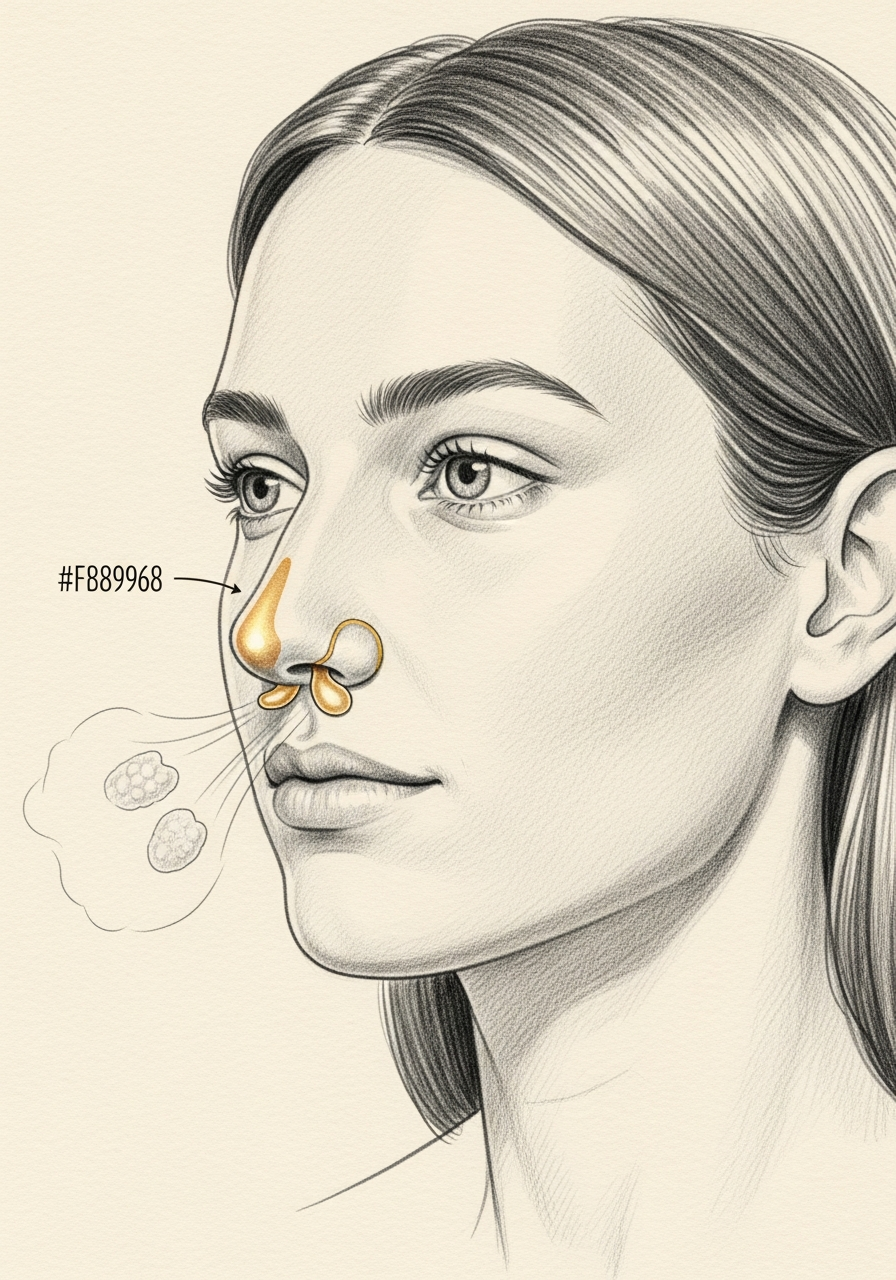
Nasal polyps are soft, non-cancerous growths from inflamed sinus and nasal mucosa. They are the visible expression of chronic inflammatory disease — and…
ABFPRS
Facial Plastic & Reconstructive Surgery
ABOto
Otolaryngology — Head & Neck Surgery
AAFPRS
Fellowship Director
In Consultation
"Polyps are the visible end of an inflammatory process. The long-term plan is about controlling the inflammation, not just removing what we can see."

A Note from Dr. Mourad
"Nasal polyps are soft, non-cancerous growths from inflamed sinus and nasal mucosa. They are the visible expression of chronic inflammatory disease — and long-term control requires both surgical and medical management."
— Dr. Moustafa Mourad, MD
Overview
What are nasal polyps?
Nasal polyps are soft, benign, non-cancerous growths that arise from chronically inflamed sinus and nasal lining. They typically originate from the ethmoid sinuses and grow into the nasal passages, where they obstruct airflow, block sinus drainage, and reduce the sense of smell.
Polyps are a manifestation of an underlying inflammatory disease, most often type-2 inflammation. They are commonly associated with asthma, aspirin sensitivity (Samter's triad), and chronic rhinosinusitis with nasal polyps (CRSwNP). They are not contagious and are not a form of cancer.
Diagnosis is made on examination with anterior rhinoscopy and nasal endoscopy, often supported by a CT scan to map the extent of disease. Management is long-term and is built around medical control of the underlying inflammation; surgery is reserved for when optimised medical therapy has not been sufficient.
An Established Academic Authority
Double board certification. Fellowship director. Published author. A surgeon's surgeon.
ABFPRS
Board Certified
American Board of Facial Plastic & Reconstructive Surgery
ABOto
Board Certified
American Board of Otolaryngology — Head & Neck Surgery
AAFPRS
Fellowship Director
American Academy of Facial Plastic and Reconstructive Surgery
Textbook
Published Author
Contributions to the academic literature of facial plastic surgery
Dual board certification in both Facial Plastic & Reconstructive Surgery and Otolaryngology — a combination held by a small number of physicians nationally.
02 · Symptoms
How this condition typically presents.
Three patterns are most common. Patients often recognise themselves in one or more of these.
I
Persistent Obstruction
Nasal blockage that does not change with positioning and does not respond to standard decongestants.
II
Loss of Smell
Decreased or absent sense of smell, often the most bothersome and the most reversible symptom.
III
Chronic Sinus Symptoms
Recurrent sinus infections, chronic facial pressure, and post-nasal drainage.
03 · Anatomy
Polyp vs normal mucosa.
Polyps form from chronically inflamed mucosa. The same surface lining the entire nasal cavity behaves very differently when inflammation is unchecked.
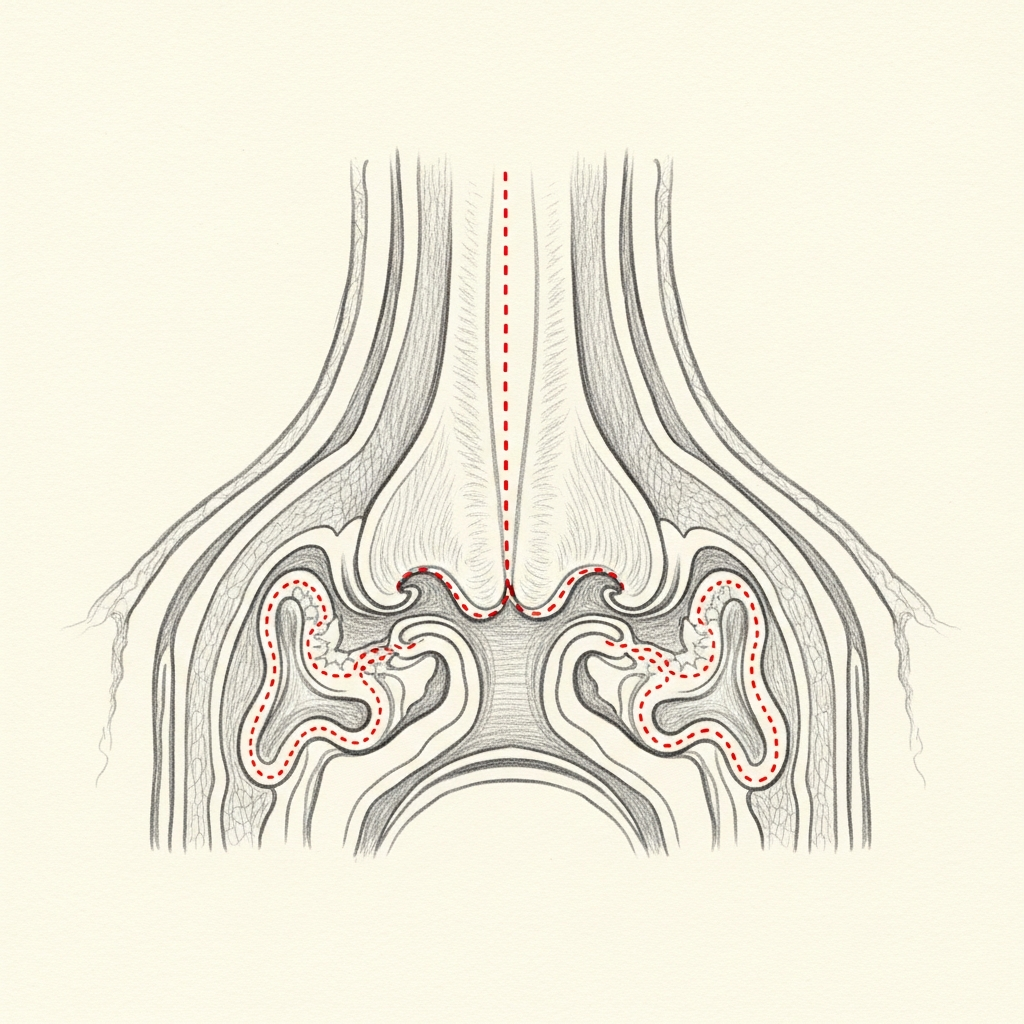
Polyp
Inflamed, oedematous, obstructive
A polyp is a pale, soft, oedematous projection of inflamed mucosa. The tissue is filled with inflammatory cells (often eosinophils) and excess fluid.
Polyps tend to occur in characteristic locations — most commonly the middle meatus — and progressively obstruct the sinus drainage pathways.
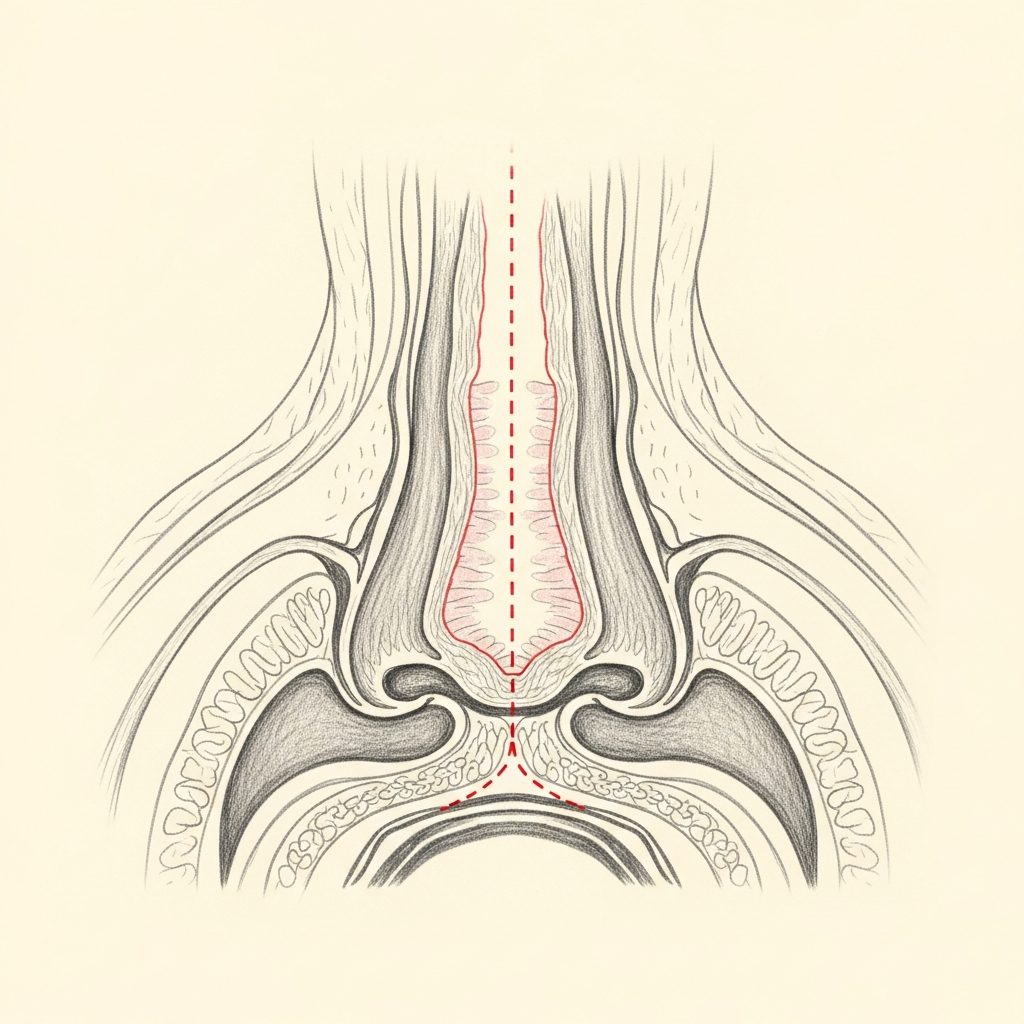
Normal
Thin, clear, functional mucosa
Healthy nasal and sinus mucosa is thin, pink, and functional — clearing secretions efficiently and supporting normal sinus drainage.
The goal of treatment is to bring polyp-affected mucosa as close as possible to this baseline through combined surgical and medical management.
Illustrative diagrams. Long-term polyp control depends on the medical plan after surgery as much as on the operation itself.
04 · Diagnosis
How the diagnosis is made.
Diagnosis is made by nasal endoscopy — polyps are visible at the time of examination.
CT imaging confirms the extent of polyp disease and assesses the sinus anatomy.
Allergy testing and assessment for associated conditions (asthma, aspirin sensitivity) is part of a complete workup.
05 · Treatment Options
Treatments matched to the diagnosis.
Treatment is individual. The right answer ranges from optimised medical therapy to a focused procedure to definitive surgery.

Medical Therapy
Topical and systemic steroids, saline irrigation, and biologics for selected patients.
Learn More

Endoscopic Polyp Surgery
When medical therapy is inadequate — surgical clearance paired with ongoing medical management.
Learn More
Functional Endoscopic Sinus Surgery
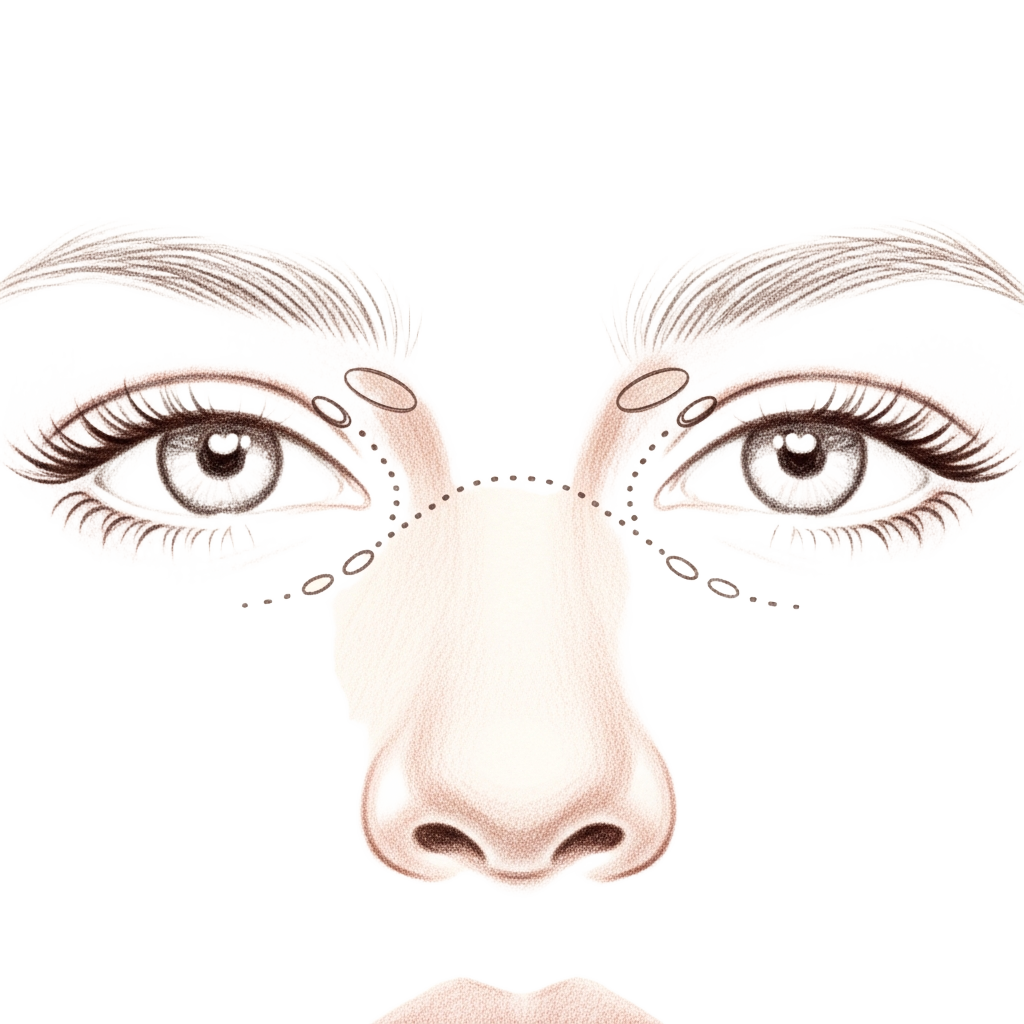
Often combined with polyp removal to open the obstructed sinus drainage pathways.
Learn More
01 · Why Dr. Mourad
Diagnosis first, treatment second.
Dr. Mourad approaches polyps as an inflammatory disease — surgery without a medical plan that follows it leads to recurrence.
Modern medical therapy, including biologics for selected patients, is changing the trajectory of polyp disease and is discussed candidly at consultation.
Surgery is performed when medical therapy has been optimised and disease persists — and is paired with the long-term medical plan.
When to Seek Care
When to seek care promptly.
Severe facial pain, high fever, or visual changes — these warrant urgent evaluation.
Significant facial swelling or redness around the eye — evaluate immediately.
Rapid loss of vision or eye movement — surgical emergency.
Bloody nasal discharge that does not resolve — evaluate within days.
Outlook
What to expect.
When the diagnosis is correct and the right treatment is applied, the outlook is generally good. Most patients describe meaningful improvement in symptoms and day-to-day function.
When symptoms persist despite treatment, the workup is re-opened. Persistent symptoms with no answer almost always mean the diagnosis is incomplete.

Living Well
Day-to-day measures that help.
Daily saline irrigation, control of indoor allergens, and good sleep hygiene meaningfully reduce day-to-day symptoms for many patients.
Medical therapy, when prescribed, works best when used consistently rather than as needed — this is one of the most common reasons treatment seems to fail.
Frequently Asked
Patient questions, honestly answered.
Nasal polyps are noncancerous mucosal swellings caused by chronic inflammation and mucosal edema. They commonly originate in the ethmoid sinuses and osteomeatal complex where impaired drainage concentrates inflammation. Identifying the inflammatory phenotype—for example, type‑2 eosinophilic inflammation—helps determine whether topical therapy, systemic steroids, biologics, surgery, or a combination is most appropriate. Definitive diagnosis and treatment planning require an in‑person exam and often targeted laboratory testing.
The Most Important Step
Get an expert evaluation.
A careful evaluation by a double board-certified physician is the right first step. The conversation is unhurried, the diagnosis is honest, and treatment is matched to what you actually have.