
Double Board Certified · Functional Nasal Surgery
Nasal Valve Collapse — when the airway closes on inspiration.
Nasal valve collapse is a specific structural diagnosis — the narrowest part of the airway gives way on inspiration, drawing the sidewall inward and obstructing the breath. The fix is structural — and durable when done well.
ABFPRS
Facial Plastic & Reconstructive Surgery
ABOto
Otolaryngology — Head & Neck Surgery
AAFPRS
Fellowship Director
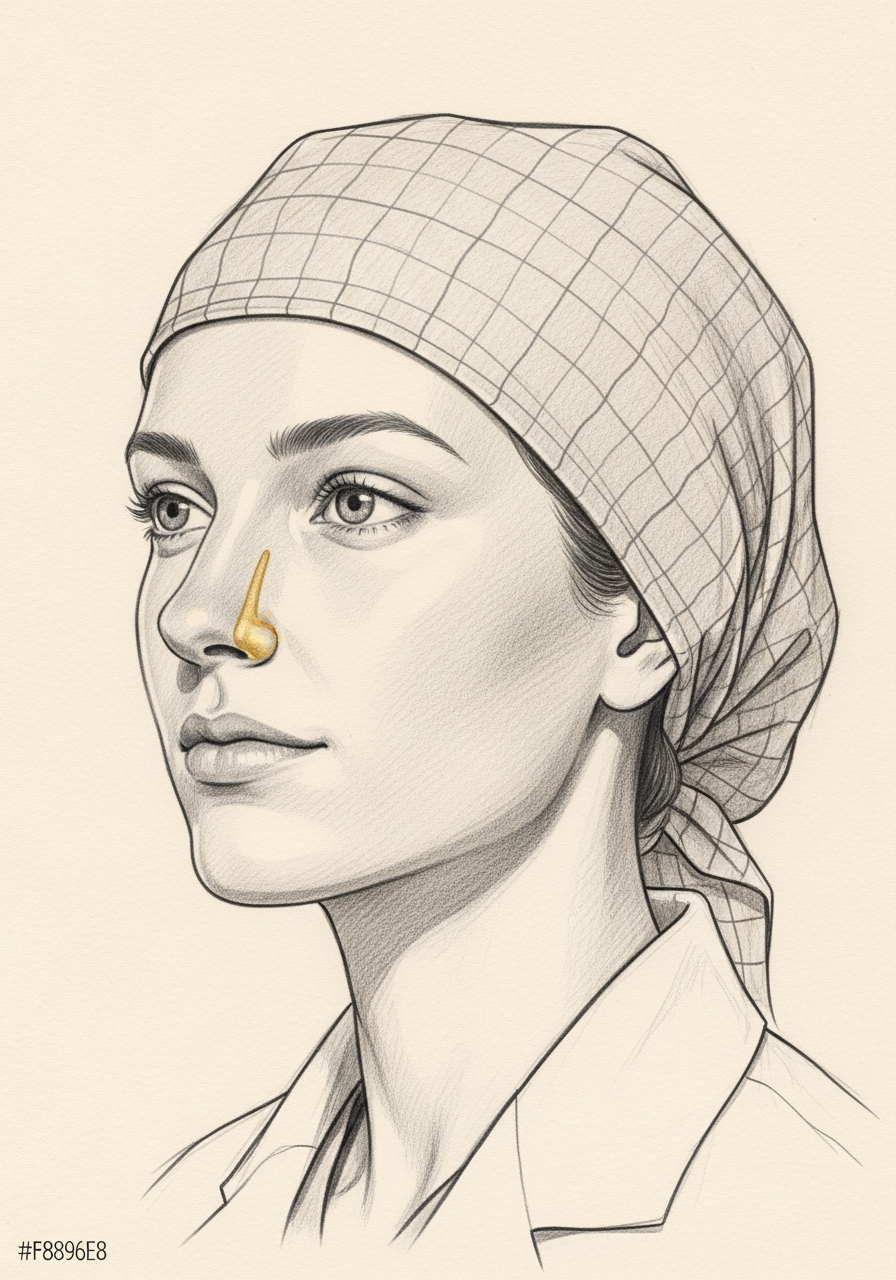
In Consultation
"Patients describe it as having to work to breathe in. The diagnosis is often missed until someone looks for it."

A Note from Dr. Mourad
"Nasal valve collapse is a specific structural diagnosis — the narrowest part of the airway gives way on inspiration, drawing the sidewall inward and obstructing the breath. The fix is structural — and durable when done well."
— Dr. Moustafa Mourad, MD
Overview
What is nasal valve collapse?
Nasal valve collapse is a structural problem in which the narrowest segments of the nasal airway — the internal nasal valve (between the upper-lateral cartilage and the septum) and/or the external nasal valve (the nostril rim and lower-lateral cartilage) — are inadequately supported and narrow or fall in during breathing.
It can be static, with the valve permanently narrow, or dynamic, with the sidewall collapsing inward on deep inspiration. Causes include congenital weakness, prior over-resection during rhinoplasty, trauma, and age-related cartilage softening. It is one of the most common under-diagnosed reasons that a septoplasty fails to relieve nasal obstruction.
Patients describe obstruction that worsens with exercise or deep breathing, an inability to wear an internal nasal strip without dramatic relief, and obstruction unrelieved by sprays or septoplasty alone. Diagnosis is made on examination, including the Cottle maneuver and dynamic visualization of the sidewall.
An Established Academic Authority
Double board certification. Fellowship director. Published author. A surgeon's surgeon.
ABFPRS
Board Certified
American Board of Facial Plastic & Reconstructive Surgery
ABOto
Board Certified
American Board of Otolaryngology — Head & Neck Surgery
AAFPRS
Fellowship Director
American Academy of Facial Plastic and Reconstructive Surgery
Textbook
Published Author
Contributions to the academic literature of facial plastic surgery
Dual board certification in both Facial Plastic & Reconstructive Surgery and Otolaryngology — a combination held by a small number of physicians nationally.
02 · Symptoms
How this condition typically presents.
Three patterns are most common. Patients often recognise themselves in one or more of these.
I
Inspiratory Obstruction
Difficulty drawing breath in through the nose, particularly with exertion. The breath out is often easier than the breath in.
II
Nasal Strip Response
Symptoms improve markedly with an external nasal strip or with a Cottle manoeuvre — a classic clinical sign of valve insufficiency.
III
After Prior Surgery
Onset or worsening after a prior rhinoplasty, septoplasty, or nasal trauma — a common pattern in revision cases.
03 · Diagnosis
How the diagnosis is made.
Diagnosis begins with a careful history — when symptoms started, what makes them better or worse, and what has been tried.
Examination includes anterior rhinoscopy and, where appropriate, nasal endoscopy with a small flexible scope to visualise the deeper nasal cavity and sinus outflow tracts.
Imaging — typically a focused sinus CT — is obtained when the examination and history warrant it, and is reviewed in detail at the visit.
04 · Treatment Options
Treatments matched to the diagnosis.
Treatment is individual. The right answer ranges from continued medical therapy to a focused minimally-invasive procedure to definitive structural surgery.
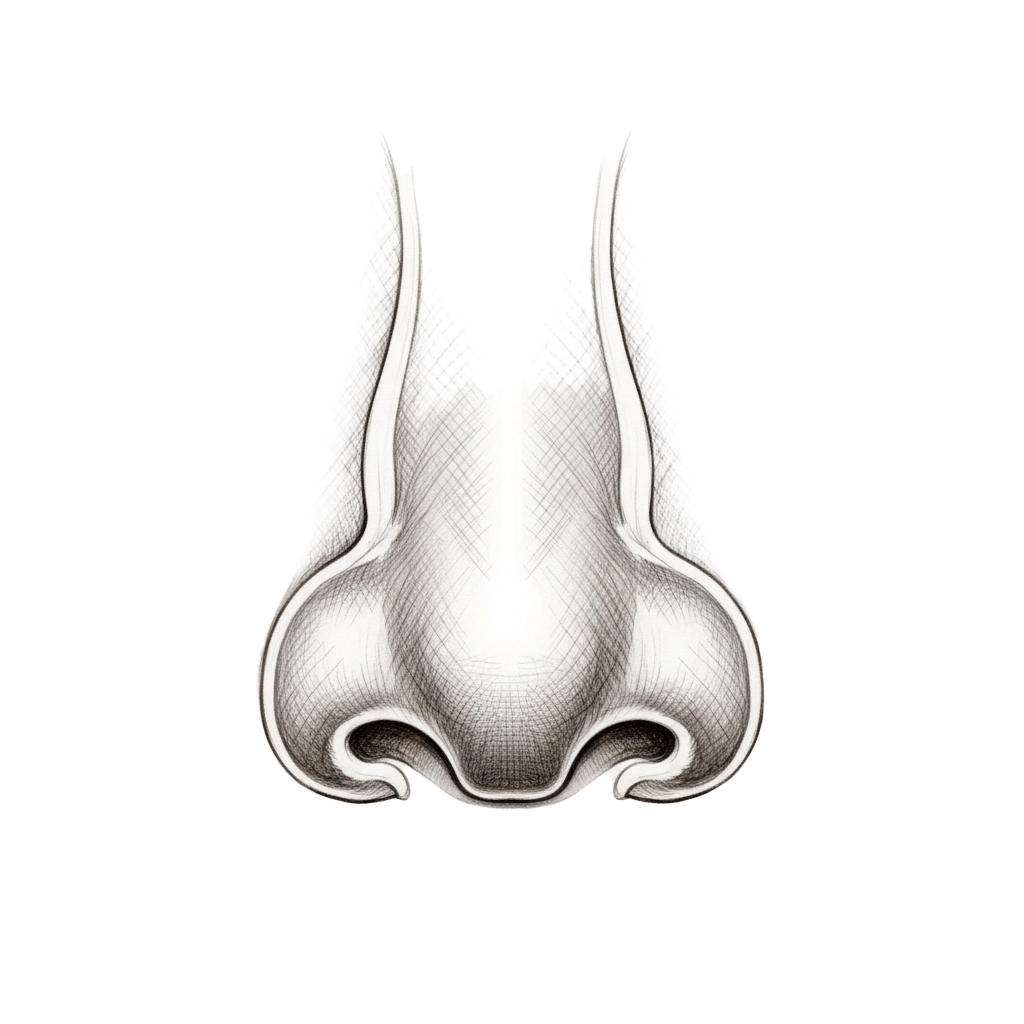
Valve Reconstruction
Structural cartilage grafts to support the internal and external nasal valves.
Learn More
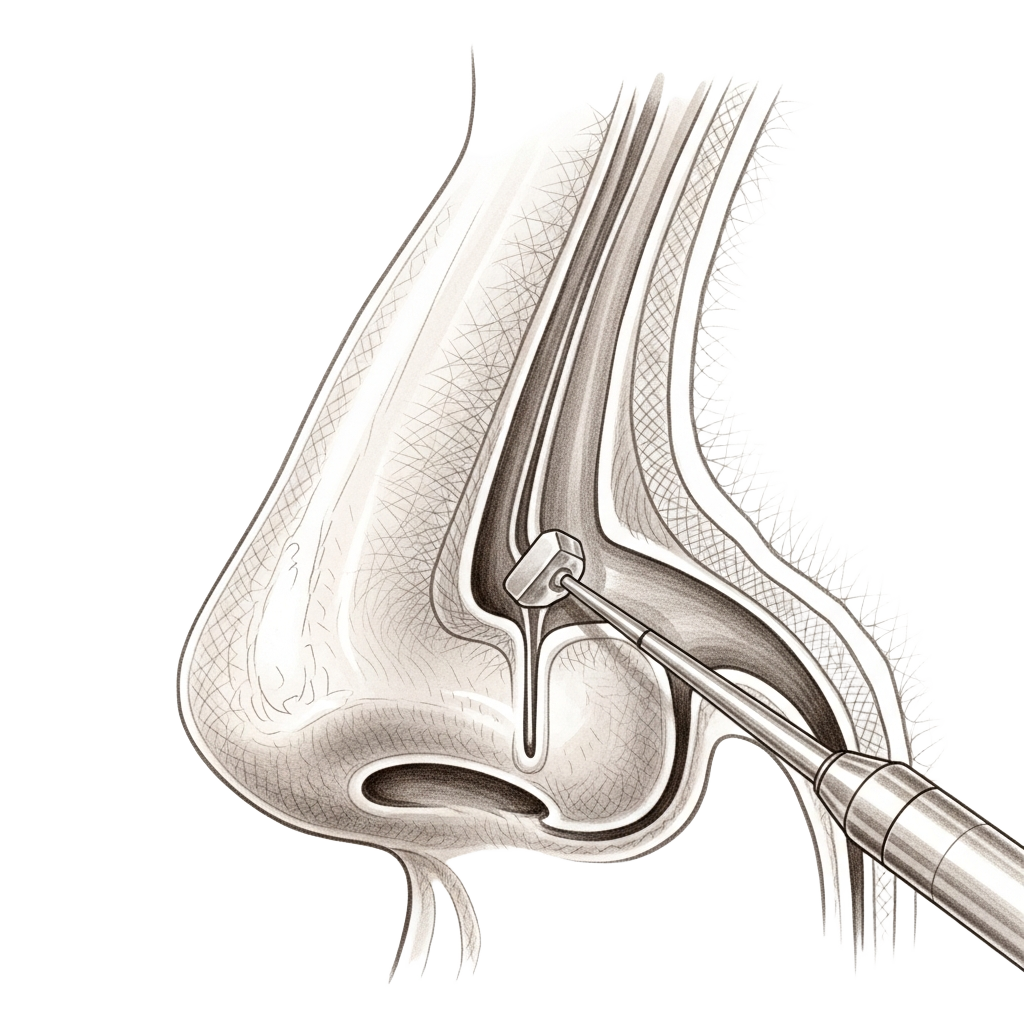
Vivaer Remodeling
Minimally invasive in-office remodeling of the internal valve area for select patients.
Learn More
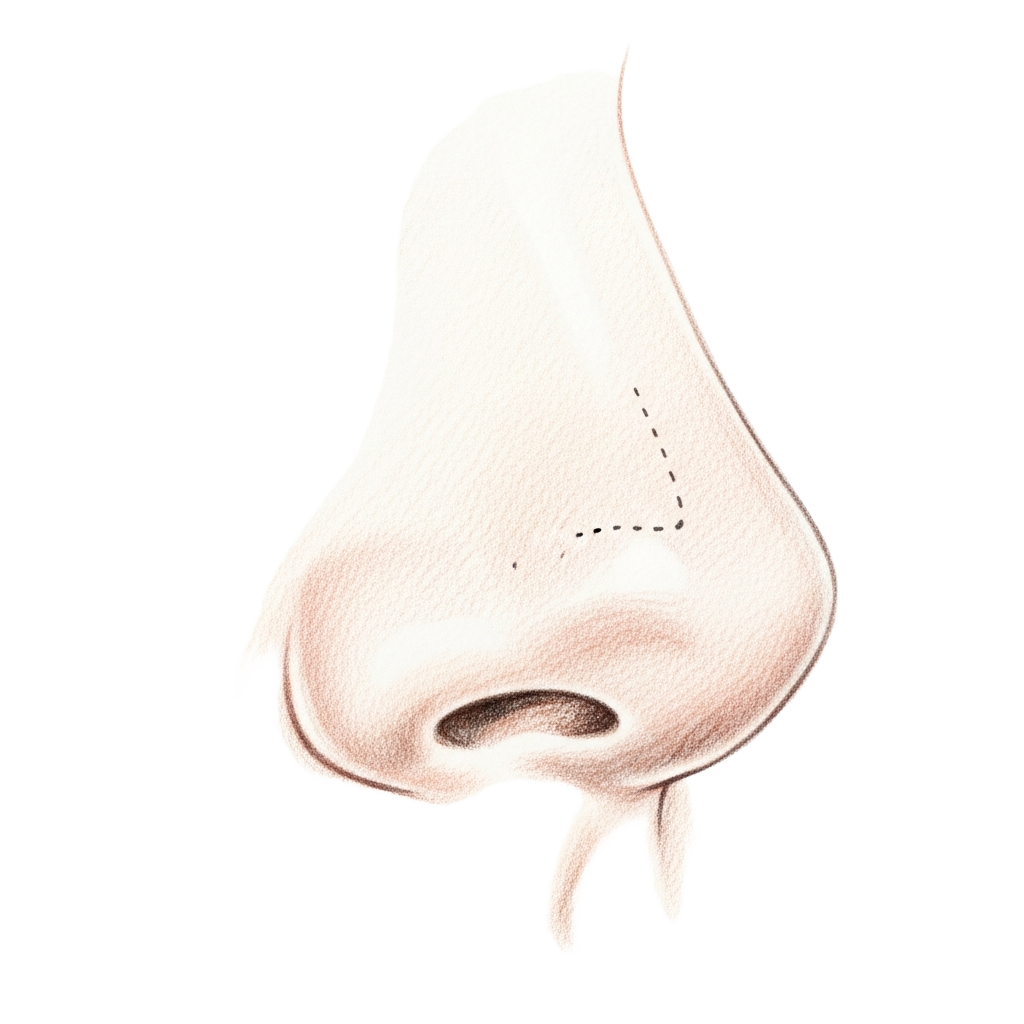
Revision Septorhinoplasty
When the valve insufficiency is part of a broader post-rhinoplasty problem.
Learn More
01 · Why Dr. Mourad
Diagnosis first, treatment second.
Dr. Moustafa Mourad is double board-certified in Facial Plastic & Reconstructive Surgery and in Otolaryngology — a combination uniquely suited to evaluating both the structural and the medical components of nasal and sinus disease.
Every evaluation begins with a careful history, examination, and — where indicated — endoscopy and imaging. The diagnosis is made before any treatment plan is discussed.
Medical therapy is exhausted before surgery is recommended. When surgery is the right answer, the operation is the one your anatomy and disease actually require.
When to Seek Care
When to seek care promptly.
Severe facial pain, high fever, or visual changes — these warrant urgent evaluation.
Significant facial swelling or redness around the eye — evaluate immediately.
New or worsening obstruction after a recent injury — evaluate within days.
Persistent symptoms beyond a few weeks despite over-the-counter measures — a careful evaluation is reasonable.
In Dr. Mourad's Words
Educational video.
A short educational film on nasal valve collapse from the Manhattan practice.
Nasal Valve Collapse Surgery Explained
Dr. Mourad explains nasal valve collapse — how it is diagnosed and the surgical options for restoring nasal breathing.
Outlook
What to expect.
When the diagnosis is correct and the right treatment is applied, the outlook is generally good. Many patients describe meaningful improvement in sleep, exercise tolerance, and day-to-day energy.
When symptoms persist despite treatment, the workup is re-opened. Persistent symptoms with no answer almost always mean the diagnosis is incomplete.

Living Well
Day-to-day measures that help.
Daily saline irrigation, control of indoor allergens, and good sleep hygiene meaningfully reduce day-to-day symptoms for most patients.
Medical therapy, when prescribed, works best when used consistently rather than as needed — this is one of the most common reasons treatment seems to fail.
Frequently Asked
Patient questions, honestly answered.
The nasal valve comprises the narrow internal and external regions that generate most nasal resistance. Small changes in valve angle or loss of cartilage support can markedly increase airflow resistance. Identifying whether the internal mid‑vault or the external nostril rim is failing directs treatment. A focused exam and trial mechanical tests distinguish structural obstruction from mucosal causes.
The Most Important Step
Get an expert evaluation.
A careful evaluation by a double board-certified physician is the right first step. The conversation is unhurried, the diagnosis is honest, and treatment is matched to what you actually have.