
Sinus Care
Nasal Polyps Treatment in NYC
Learn about nasal polyps treatment in NYC, including medication, endoscopic sinus surgery, and long-term management with Dr. Moustafa Mourad.
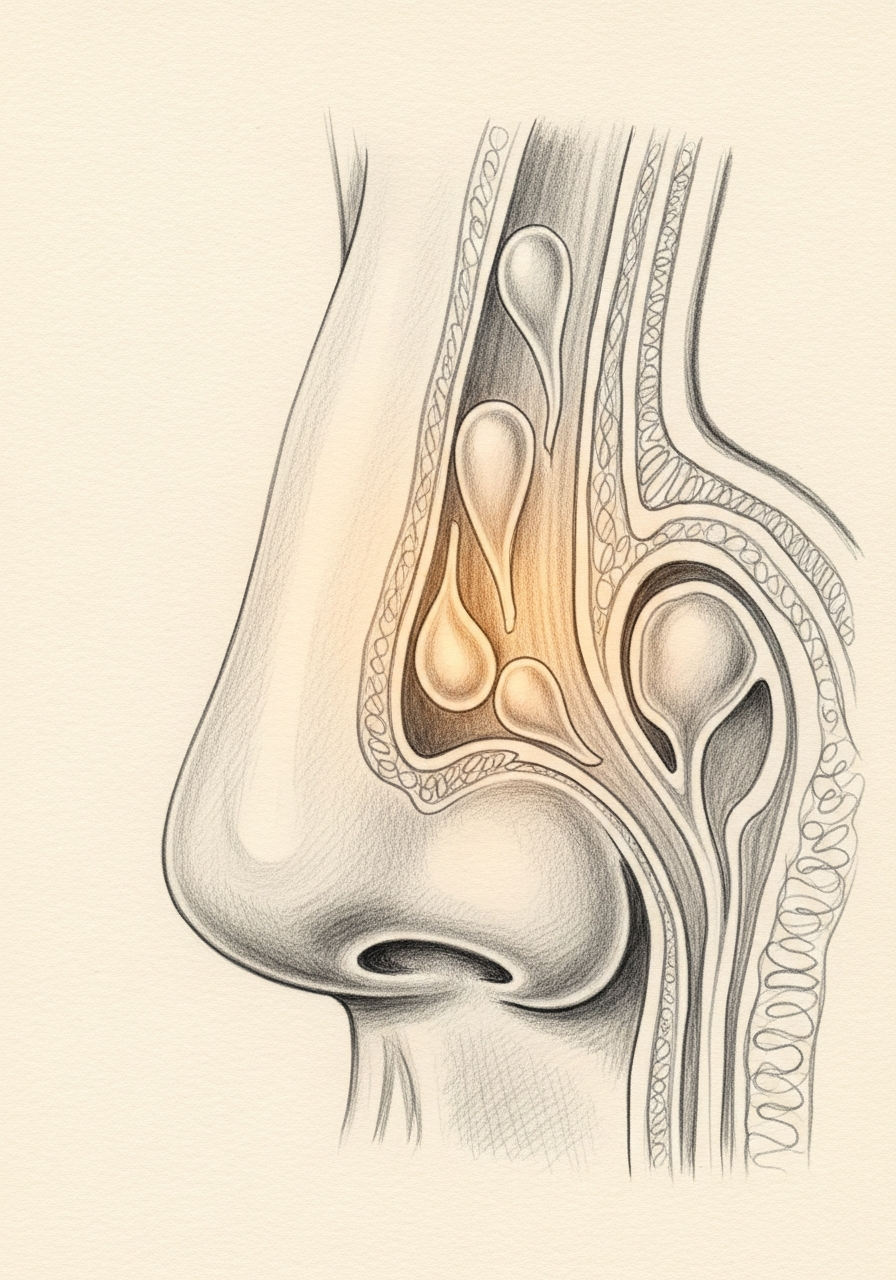
Nasal polyps are soft, benign growths that develop in the lining of the nose and sinuses, and they often reflect an underlying pattern of chronic inflammation rather than a single isolated problem. Treatment is most effective when it addresses both the polyps you can see and the inflammation that allowed them to form.
Understanding nasal polyps and why they matter
Nasal polyps are among the most common reasons patients in New York City seek care for stubborn nasal congestion, a fading sense of smell, and sinus pressure that never quite resolves. Although the word "polyp" can sound alarming, the overwhelming majority of nasal polyps are benign inflammatory growths. They are not tumors in the cancerous sense, and they do not behave the way a worrisome mass would. What makes them clinically important is not danger, but persistence: polyps tend to grow slowly, recur after treatment, and signal that the lining of the nose and sinuses is caught in a cycle of ongoing inflammation.
Many patients describe living with polyps long before they are ever diagnosed. They assume their constant stuffiness is "just allergies," or that their reduced sense of smell is a normal part of getting older. By the time they are evaluated, they may have spent years relying on decongestant sprays, antihistamines, and over-the-counter remedies that never fully worked. A careful evaluation can clarify what is actually happening inside the nose and sinuses and open the door to treatment that targets the root cause rather than chasing symptoms.
Dr. Moustafa Mourad evaluates nasal polyps together with chronic sinusitis, allergies, asthma, nasal obstruction, and the structural anatomy of the nose and sinuses. Looking at these factors together — rather than treating the polyps in isolation — allows for a plan that is tailored to the individual patient and to the way their particular nose actually behaves.
What are nasal polyps?
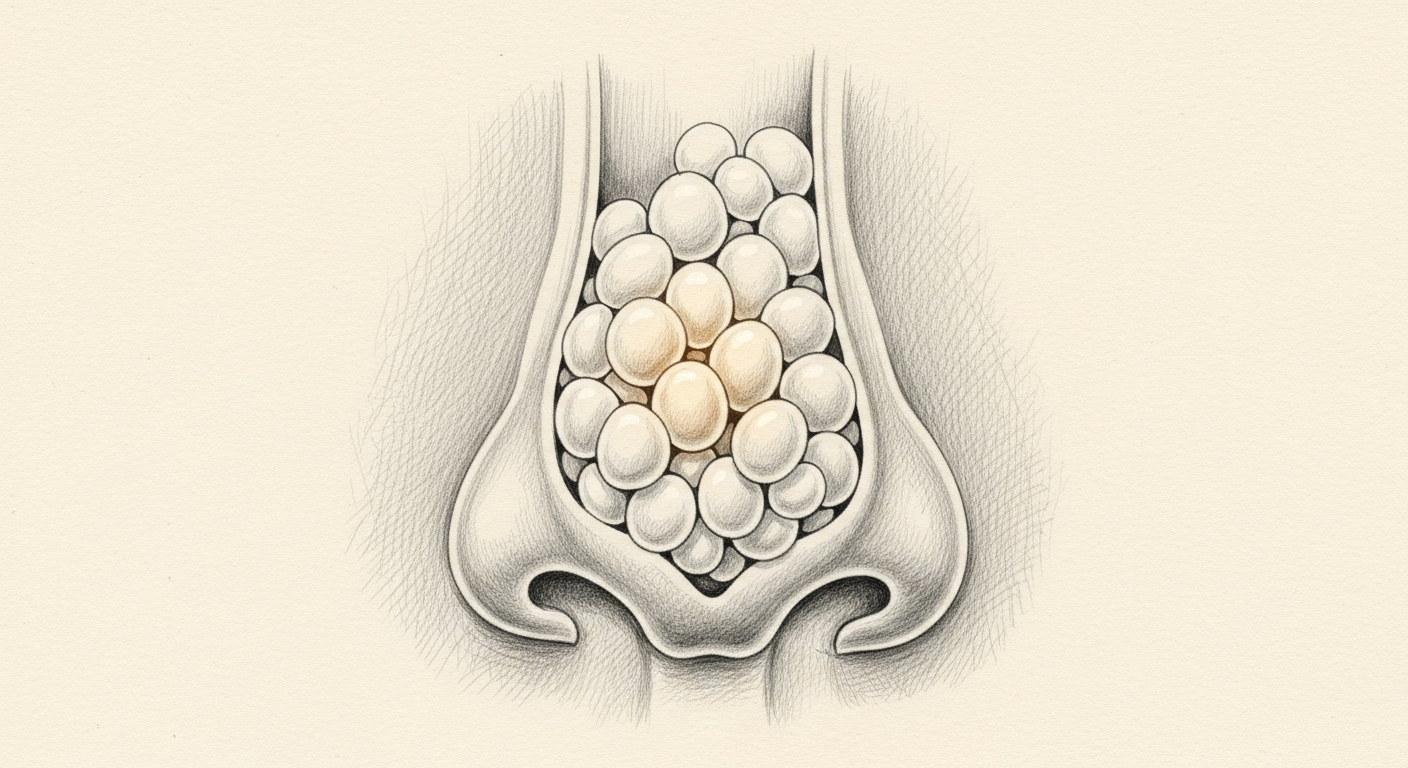
Nasal polyps are soft, noncancerous growths that arise from the lining (mucosa) of the nose or the sinuses. They form when that lining becomes chronically inflamed and swollen, eventually creating teardrop-shaped or grape-like masses of tissue. Polyps are typically smooth, pale, and gelatinous in appearance, and unlike the normal turbinate tissue inside the nose, they usually have little sensation, which is one reason they can grow without causing pain.
Polyps can range widely in size and number. Some are small and subtle, tucked high in the nasal passages or within a sinus cavity where they are invisible without specialized examination. Others grow large enough to fill the nasal cavity, block airflow on one or both sides, and obstruct the natural drainage pathways of the sinuses. When polyps are extensive, they can affect multiple sinuses at once and contribute to a self-reinforcing cycle of inflammation, blockage, and infection.
It is important to understand that nasal polyps are usually a sign of a broader inflammatory process rather than a stand-alone condition. They frequently appear together with chronic sinusitis, and in many patients they reflect an inflammatory tendency in the airway as a whole. This is why effective treatment so often combines removing or shrinking the polyps with managing the inflammation that produced them.
How polyps differ from a swollen turbinate
Patients sometimes confuse polyps with the turbinates — the normal, scroll-shaped structures along the side walls of the nose that warm and humidify air. Turbinates can swell and contribute to congestion, but they are normal anatomy. Polyps, by contrast, are abnormal growths of inflamed tissue. Distinguishing between the two matters, because the treatment is different, and only direct examination can reliably tell them apart.
How nasal polyps affect the nose and sinuses
To understand why polyps cause the symptoms they do, it helps to picture how the nose and sinuses normally work. The sinuses are air-filled spaces within the bones of the face that are lined with a thin mucous membrane. This lining continuously produces mucus, and tiny hair-like structures called cilia sweep that mucus through small natural openings into the nose, where it drains harmlessly toward the back of the throat. This self-cleaning system depends on those drainage pathways staying open.
When polyps form, they physically obstruct the nasal passages and the narrow channels through which the sinuses drain. Mucus that would normally flow freely becomes trapped. Trapped secretions create pressure, encourage further inflammation, and provide an environment where infections can take hold more easily. The inflammation then drives more swelling and more polyp growth, which causes more blockage — a loop that tends to perpetuate itself unless it is interrupted.
Polyps that grow near the upper portion of the nasal cavity can also block airflow from reaching the area responsible for smell. Because the nerves of smell sit high inside the nose, even modest obstruction in that region can dull or eliminate the sense of smell and, with it, much of the sense of taste. This is one of the most distressing symptoms patients report, and it is one of the symptoms most directly tied to whether airflow and inflammation can be improved.
Symptoms of nasal polyps
Symptoms depend on the size, number, and location of the polyps, as well as the degree of underlying inflammation. Because polyps usually grow gradually, many patients adapt to their symptoms over time and do not realize how much their breathing or sense of smell has declined. Common symptoms include:
- Chronic nasal congestion or a persistent feeling of blockage
- Difficulty breathing through the nose, sometimes worse on one side
- A reduced or completely lost sense of smell, and often a diminished sense of taste
- Post-nasal drip and a sensation of mucus draining down the throat
- Runny nose or thick nasal discharge
- Facial pressure or a feeling of fullness around the cheeks, eyes, or forehead
- Recurrent or lingering sinus infections
- Snoring, mouth breathing, or disrupted sleep from nasal blockage
- A nasal or muffled quality to the voice
Polyps are frequently mistaken for ordinary allergies or a cold that simply will not go away. The key difference is duration and pattern: allergy symptoms tend to fluctuate with exposures and seasons, while polyp-related congestion is often constant and does not fully respond to standard allergy treatment. A reduced sense of smell that persists for weeks or months deserves particular attention, because it is a hallmark of polyp-related inflammation. Nasal endoscopy can confirm the diagnosis when symptoms suggest polyps.
What causes nasal polyps and who is at risk
Nasal polyps develop from chronic inflammation of the nasal and sinus lining, but the reasons that inflammation takes hold vary from person to person. There is rarely a single cause. Instead, several contributing factors often overlap, and identifying them is part of building a durable treatment plan. Recognized contributing factors include:
- Chronic sinusitis, the long-standing inflammation of the sinuses that frequently accompanies polyps
- Asthma, which shares an inflammatory pathway with the upper airway
- Allergic rhinitis and sensitivity to airborne allergens
- Aspirin or non-steroidal anti-inflammatory drug sensitivity, sometimes seen as part of a recognized respiratory pattern
- A tendency toward inflammatory airway disease, which can run in families
- Repeated or persistent sinus infections that keep the lining inflamed
Because polyps so often grow out of a broader inflammatory tendency, patients with asthma or aspirin sensitivity may experience more extensive polyp formation and a higher likelihood of recurrence. This does not mean treatment cannot help — it means the plan needs to account for the underlying biology rather than treating the polyps as an isolated event. Understanding a patient's full history, including their breathing, allergies, and prior treatments, is central to anticipating how their polyps are likely to behave.
Nasal polyps and chronic sinusitis
Nasal polyps and chronic sinusitis are closely linked. Many patients with significant polyps also meet the definition of chronic sinusitis, and the two conditions feed one another: inflammation drives polyp growth, and the blockage created by polyps traps mucus and sustains the inflammation. For this reason, polyps are often considered as part of a larger pattern of chronic sinus disease rather than as a separate problem to be treated on its own.
When polyps and chronic sinusitis occur together, treatment is designed to improve both sinus drainage and inflammatory control at the same time. Opening the obstructed pathways helps mucus flow again, while ongoing anti-inflammatory therapy helps keep the lining calm and reduce the chance of regrowth. You can learn more about the broader condition on the chronic sinusitis treatment in NYC page, which explains how persistent sinus inflammation is evaluated and managed.
How Dr. Mourad evaluates nasal polyps
An accurate diagnosis is the foundation of effective treatment. Polyps cannot be reliably diagnosed from symptoms alone, because congestion and loss of smell have many possible causes. A thorough evaluation is designed to confirm whether polyps are present, determine how extensive they are, and identify the inflammatory factors driving them. The evaluation generally includes:
- 01A detailed review of symptoms, their duration, and how they have responded to past treatments
- 02A discussion of related conditions such as asthma, allergies, and aspirin or medication sensitivities
- 03A physical examination of the nose and face
- 04Nasal endoscopy, in which a thin camera is used to look directly inside the nose and sinus openings
- 05CT imaging when appropriate, to map the sinuses and assess the extent of inflammation or obstruction
- 06A review of prior medications, treatments, and any previous surgery
The role of nasal endoscopy
Nasal endoscopy is one of the most valuable tools in evaluating polyps. Using a slender endoscope, Dr. Mourad can see areas of the nose and sinus drainage pathways that are not visible during a routine look with a light. This allows polyps to be identified directly, their size and location to be assessed, and other contributing structural issues to be noted. The examination is performed in the office and provides immediate, specific information about what is happening inside the nose.
When CT imaging is helpful
A CT scan creates a detailed map of the sinuses and shows how far the inflammation and obstruction extend. It helps distinguish polyps that are limited to one area from disease that involves multiple sinuses, and it is particularly useful when surgery is being considered. Imaging also helps Dr. Mourad understand each patient's individual sinus anatomy, which varies considerably from person to person and influences how treatment is approached.
Non-surgical and medical treatment first
Not every patient with nasal polyps needs surgery. In many cases, medical therapy is the first and most appropriate step, and it can meaningfully shrink polyps, reduce inflammation, and improve symptoms. Because polyps reflect an inflammatory process, treatments that calm that inflammation are central to management — both before considering surgery and as an ongoing part of care afterward. Medical options may include:
- Topical nasal steroid sprays, which are a mainstay for reducing inflammation and limiting polyp growth
- Saline irrigations to rinse the nasal passages and help clear mucus and irritants
- Short courses of oral steroids in selected patients, used carefully to reduce inflammation
- Allergy management for patients whose symptoms are driven in part by allergic inflammation
- Other anti-inflammatory or targeted therapies that may be appropriate for certain patients with extensive or recurrent disease
Medical therapy works best when it is used consistently and as directed. One challenge with large polyps is that they can physically block sprays and rinses from reaching the inflamed lining — meaning the medication cannot get where it needs to go. When that happens, opening the nasal passages can actually make medical therapy more effective afterward. The decision to move beyond medication is made together with the patient, based on how the polyps respond and how much they are affecting daily life.
Endoscopic sinus surgery for nasal polyps
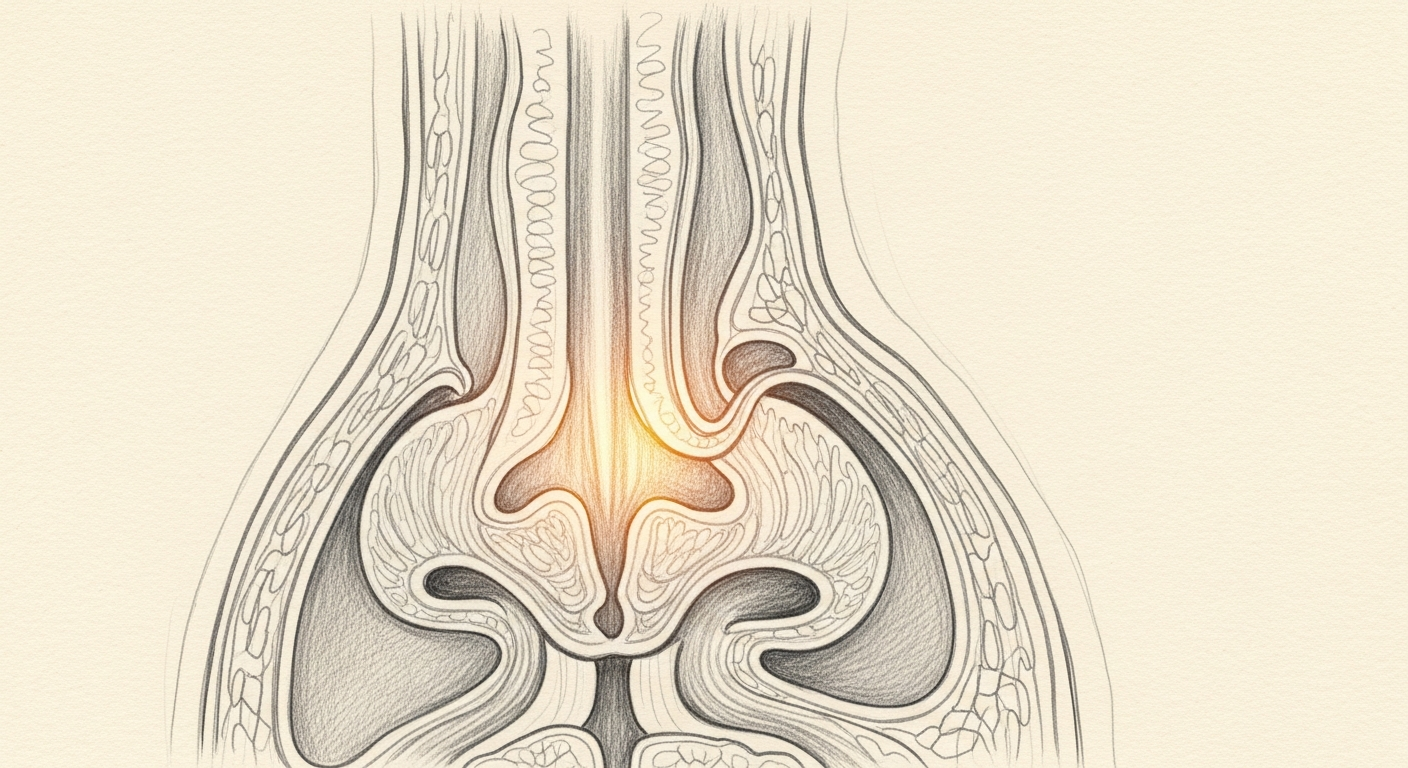
When polyps obstruct the nose or sinuses and symptoms persist despite medical treatment, endoscopic sinus surgery may be recommended. The goal of surgery is to remove the obstructing polyps and open the natural drainage pathways of the sinuses, restoring airflow and allowing the sinuses to ventilate and clear mucus normally again. Surgery does not, by itself, eliminate the underlying inflammation — but it removes the blockage and creates the conditions for medical therapy to work far more effectively.
The procedure is performed entirely through the nostrils using an endoscope, so there are no external incisions and no changes to the outward appearance of the nose. Working with magnified, illuminated visualization, Dr. Mourad can precisely remove polyps and gently enlarge the sinus openings while preserving the healthy lining. Opening these pathways serves two purposes: it relieves the obstruction patients feel as congestion, and it allows nasal rinses and topical steroids to reach the sinus surfaces that were previously sealed off behind the polyps.
What surgery is designed to restore
After polyps are addressed and the drainage pathways are opened, many patients notice improved nasal breathing, reduced facial pressure, fewer episodes of infection, and — in appropriate candidates — a gradual return of some sense of smell. Results vary from person to person and depend on the extent of disease, the underlying inflammatory pattern, and how consistently long-term care is maintained. Surgery is best understood as one important step within a broader plan, not as a one-time fix.
For patients whose nasal obstruction is also caused by structural issues, surgery for polyps can sometimes be coordinated with treatment of those problems. Many sinus procedures are part of the broader category of sinus surgery in NYC, and the approach is always individualized to the specific anatomy and diagnosis.
What to expect on the day of surgery and during recovery
Endoscopic sinus surgery for polyps is typically performed as an outpatient procedure, meaning most patients go home the same day. The specifics depend on the extent of disease and whether any additional procedures are performed at the same time. Dr. Mourad reviews the plan in detail beforehand so patients understand what to expect for their particular situation.
In the early recovery period, it is normal to experience congestion, mild drainage, crusting inside the nose, and a sense of fullness as the tissues heal. Many patients describe pressure and fatigue rather than sharp pain. Saline irrigations usually play an important role in keeping the nasal passages clean and supporting healing, and follow-up visits allow Dr. Mourad to monitor recovery, gently clear crusting, and confirm that the sinuses are draining well. A fuller overview is available on the sinus surgery recovery page.
Recovery is gradual. Breathing often improves over the first several days to weeks as swelling subsides, while changes in sense of smell can take longer and are less predictable. Restarting or continuing topical anti-inflammatory therapy during healing is frequently part of the plan, because keeping inflammation under control is central to a durable result.
Long-term management and reducing recurrence
One of the most important things to understand about nasal polyps is that they can recur. Because they grow out of an underlying inflammatory tendency, removing them does not necessarily remove the reason they formed. This is not a sign of failure — it is the nature of the condition. The patients who tend to do well over the long term are typically those who treat polyps as a chronic condition to be managed rather than a single problem to be solved once.
Long-term management often includes ongoing topical steroid therapy, regular saline irrigation, attention to allergies or asthma, and periodic follow-up so that any early regrowth can be identified and addressed before it becomes obstructive again. When the sinus pathways have been opened, these therapies are far more effective because the medication can actually reach the lining. For patients with more aggressive or recurrent disease, additional medical options may be appropriate, and Dr. Mourad will discuss what fits each individual situation.
Consistency is the key theme. Patients who maintain their daily nasal care and keep their follow-up visits tend to enjoy longer-lasting relief and fewer setbacks. The goal is not a single dramatic intervention, but steady control of inflammation that keeps the nose and sinuses open and comfortable over time.
Risks and honest considerations
As with any treatment, both medical and surgical management of nasal polyps carry considerations that deserve an honest discussion. No specific outcome can be promised, and the right path depends on weighing the likely benefits against the potential downsides for each individual patient. Endoscopic sinus surgery is generally well tolerated, but like any procedure it carries some risk, which Dr. Mourad reviews thoroughly during the consultation.
Honest considerations include the possibility that polyps may regrow over time, the need for ongoing medical therapy after surgery, and the reality that improvement in sense of smell is variable and cannot be promised. Patients with asthma, aspirin sensitivity, or extensive inflammatory disease should understand that their condition may be more prone to recurrence and may require more sustained management. A candid conversation about these factors is part of helping each patient make a decision that fits their goals and their tolerance for ongoing care.
How nasal polyps connect to related nasal and sinus conditions
Nasal polyps rarely exist in isolation, and the symptoms they cause overlap with several other nasal and sinus conditions. Evaluating these connections is important, because treating only the polyps while overlooking a contributing problem can lead to incomplete relief. Polyps frequently coexist with or contribute to other issues affecting breathing and drainage.
Patients with polyps often have features of chronic sinusitis, and many have experienced repeated infections that may overlap with patterns of recurrent sinus infections. When obstruction is severe, the resulting blockage can contribute to facial pressure, post-nasal drip, and sleep disruption. Because these conditions share underlying mechanisms, the most effective plans address the whole picture rather than any one symptom in isolation. For patients exploring whether a procedure is warranted, the broader overview of sinus surgery in NYC explains how the various options fit together.
Why evaluation of the nose, sinuses, and facial anatomy together matters
Dr. Moustafa Mourad is a dual board-certified facial plastic and reconstructive surgeon and otolaryngologist in New York City. This combined training allows him to evaluate sinus disease, nasal obstruction, and facial anatomy together rather than in separate pieces — an advantage for patients whose symptoms involve both breathing and nasal structure. Nasal polyps are a clear example of why this integrated perspective matters.
Congestion from polyps can be compounded by structural factors such as a deviated septum or enlarged turbinates, and treating only the polyps while ignoring those factors may leave a patient still struggling to breathe. By assessing the nasal airway, the sinus drainage pathways, and the surrounding anatomy as a connected system, Dr. Mourad can develop a plan that addresses the actual sources of obstruction. This unified approach helps ensure that treatment improves both function and comfort in a way that is durable.
When is surgery considered, and when should you seek care
The decision to pursue surgery for nasal polyps is always individualized. It depends on symptom severity, the extent of disease seen on examination and imaging, and how well the polyps have responded to medical therapy. Surgery may be considered when:
- Polyps block nasal airflow despite medical treatment
- The sense of smell is significantly reduced or lost
- Sinus infections recur or fail to clear
- Symptoms persist even with consistent use of appropriate medication
- CT imaging shows obstructed sinuses or extensive disease
- Large polyps prevent topical medications from reaching the lining
More generally, it is worth seeking an evaluation if you have chronic nasal congestion that does not improve, a sense of smell that has faded or disappeared, repeated sinus infections, or facial pressure that interferes with your sleep, your work, or your day-to-day comfort. An evaluation can clarify whether polyps are present, how extensive they are, and which combination of medical and procedural options is most appropriate for you. Many patients are relieved simply to understand what has been causing symptoms they assumed they had to live with.
Schedule a nasal polyps consultation in NYC
If you have ongoing congestion, a diminished sense of smell, or recurrent sinus infections, a careful evaluation can help determine whether nasal polyps are contributing and what treatment may be appropriate for your anatomy and diagnosis. Dr. Moustafa Mourad evaluates the nose, sinuses, and airway together so that treatment can be tailored to both function and facial structure.
To learn more or to arrange an evaluation, schedule a consultation or call 212.832.0444.
Frequently Asked
Nasal Polyps Treatment in NYC — patient questions, honestly answered.
Most nasal polyps are benign inflammatory growths and are not cancerous. They reflect chronic inflammation of the nasal and sinus lining rather than a tumor. That said, any unusual, one-sided, bleeding, or otherwise concerning mass should be evaluated carefully, which is one reason direct examination and, when appropriate, imaging are part of a thorough assessment.
Continue exploring
Related sinus care & resources
Sinus Surgery NYC
The broader overview of surgical and procedural options for the sinuses and how they fit together.
Endoscopic Sinus Surgery NYC
How polyps and obstructing tissue are addressed through the nostrils to reopen sinus drainage pathways.
Chronic Sinusitis Treatment NYC
The persistent sinus inflammation that so often accompanies nasal polyps, and how it is managed.
Recurrent Sinus Infections NYC
Why infections keep returning when sinus drainage is blocked, and what can be done about it.
Sinus Surgery Recovery
What healing typically looks like after sinus surgery, including aftercare and follow-up.
Next step
Plans are individualized. The consultation is where that begins.
Reach the Manhattan office to schedule a private consultation with Dr. Mourad.