
Sinus Care
Chronic Sinusitis Treatment in NYC
Chronic sinusitis treatment in NYC with Dr. Moustafa Mourad. Learn about symptoms, diagnosis, medical therapy, balloon sinuplasty, and sinus surgery.

Chronic sinusitis can turn ordinary breathing into a daily effort — months of congestion, facial pressure, thick drainage, fatigue, and changes in smell that never quite resolve. Persistent sinus symptoms are not something you simply have to accept, and they deserve a careful, individualized evaluation.
Understanding Chronic Sinusitis
Chronic sinusitis is one of the most common reasons patients in New York City seek out a sinus specialist. Unlike a brief cold or a single sinus infection that clears within a couple of weeks, chronic sinusitis describes inflammation of the sinuses that persists over a long period — often despite repeated courses of antibiotics, nasal sprays, and over-the-counter remedies. For many patients, the symptoms become so familiar that they assume they are simply prone to congestion or that their face is just sensitive to weather and allergies.
Dr. Moustafa Mourad evaluates chronic sinusitis in the context of the entire nasal airway rather than treating each symptom in isolation. The sinuses, the septum, the turbinates, the nasal valves, and the drainage pathways all influence one another, and lasting relief usually depends on understanding how they interact. Treatment may involve medical therapy, allergy management, balloon sinuplasty, endoscopic sinus surgery, nasal polyp treatment, or combined care for nasal obstruction — and the right path depends on your anatomy, your diagnosis, and how your symptoms have responded to treatment so far.
The goal of this page is to explain what chronic sinusitis is, why it develops, how it is diagnosed, and the full range of options available — from conservative care to surgery — so you can have an informed conversation about your own situation. To discuss your symptoms directly, schedule a consultation or call 212.832.0444.
What Is Chronic Sinusitis?
Chronic sinusitis, sometimes called chronic rhinosinusitis, is long-lasting inflammation of the lining of the sinuses and the nasal passages. It can occur with or without nasal polyps, and it tends to involve more than one factor at once. The condition may include blocked sinus drainage pathways, swelling of the sinus lining, thick or stagnant mucus, repeated bacterial flares, allergies, asthma, or other inflammatory influences that keep the tissue irritated over time.
Because the sinuses sit close to the eyes, cheeks, forehead, and the upper teeth, inflammation in this region can produce a wide spread of symptoms. Some patients notice mostly nasal complaints, while others are more bothered by pressure, drainage, or fatigue. Common symptoms include:
- Nasal congestion or a persistent stuffy feeling that does not fully clear
- Facial pressure or fullness, often across the cheeks, around the eyes, or in the forehead
- Thick nasal or throat drainage that may be discolored
- Post-nasal drip and frequent throat clearing
- A reduced or absent sense of smell, and sometimes a dulled sense of taste
- Recurrent sinus infections that keep returning after treatment
- Fatigue, disrupted sleep, and a general sense of feeling run down
- Pressure or discomfort around the eyes, cheeks, forehead, or upper teeth
It is important to understand that symptoms alone do not always prove sinusitis. Facial pressure and congestion can be caused by migraine, tension headache, allergies, reflux, dental issues, or structural narrowing of the nasal airway. For this reason, an accurate diagnosis usually requires a focused examination and, when appropriate, imaging — not just a description of how you feel.
The Anatomy of the Sinuses and Why They Become Inflamed
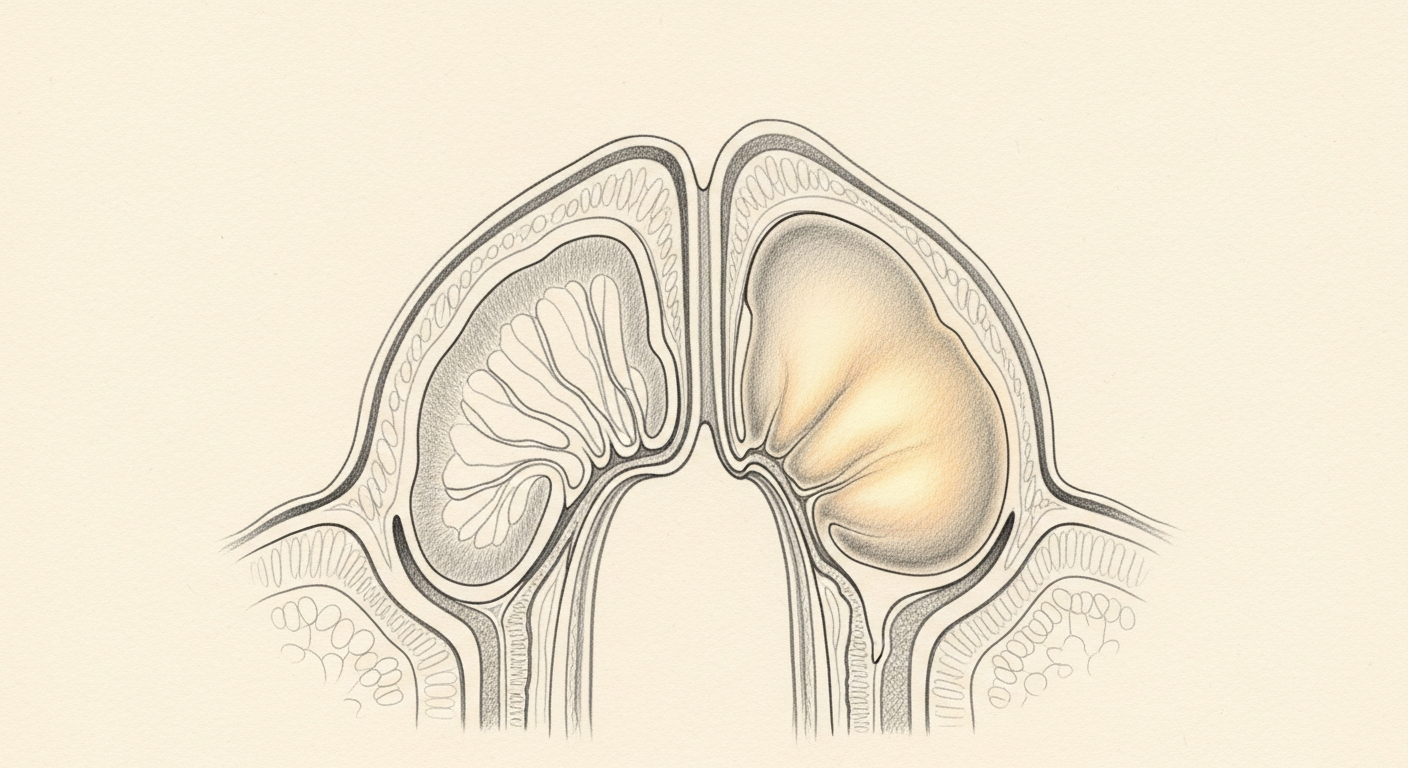
The sinuses are a connected set of air-filled spaces within the bones of the face and skull. There are four main groups on each side: the maxillary sinuses behind the cheeks, the ethmoid sinuses between the eyes, the frontal sinuses in the forehead, and the sphenoid sinuses deeper toward the center of the skull. Each sinus is lined with a thin, delicate membrane and drains into the nasal cavity through small openings. When everything is working well, these spaces are ventilated and self-cleaning, and you are not aware of them at all.
In chronic sinusitis, the lining of these spaces becomes swollen and inflamed. A healthy sinus membrane is thin and produces a steady, manageable layer of mucus. An inflamed membrane thickens, swells, and produces mucus that is harder to move. As the lining swells, the already narrow drainage openings can become partially or fully blocked. Trapped mucus then sits in spaces that are meant to stay ventilated, which can encourage further inflammation and repeated infection.
This cycle helps explain why chronic sinusitis can be so persistent. Inflammation narrows the drainage pathways; poor drainage allows mucus and irritants to linger; the lingering material drives more inflammation. Breaking this cycle is the central idea behind both medical and surgical treatment — the aim is to calm the inflamed lining and restore the natural drainage and ventilation the sinuses depend on.
Several factors can make this cycle worse, including a deviated septum, enlarged turbinates, nasal polyps, allergies, and underlying inflammatory conditions such as asthma. Because these contributors often overlap, evaluating the whole nasal airway together — rather than focusing on a single sinus — is an important part of a thorough assessment.
How Sinuses Normally Drain
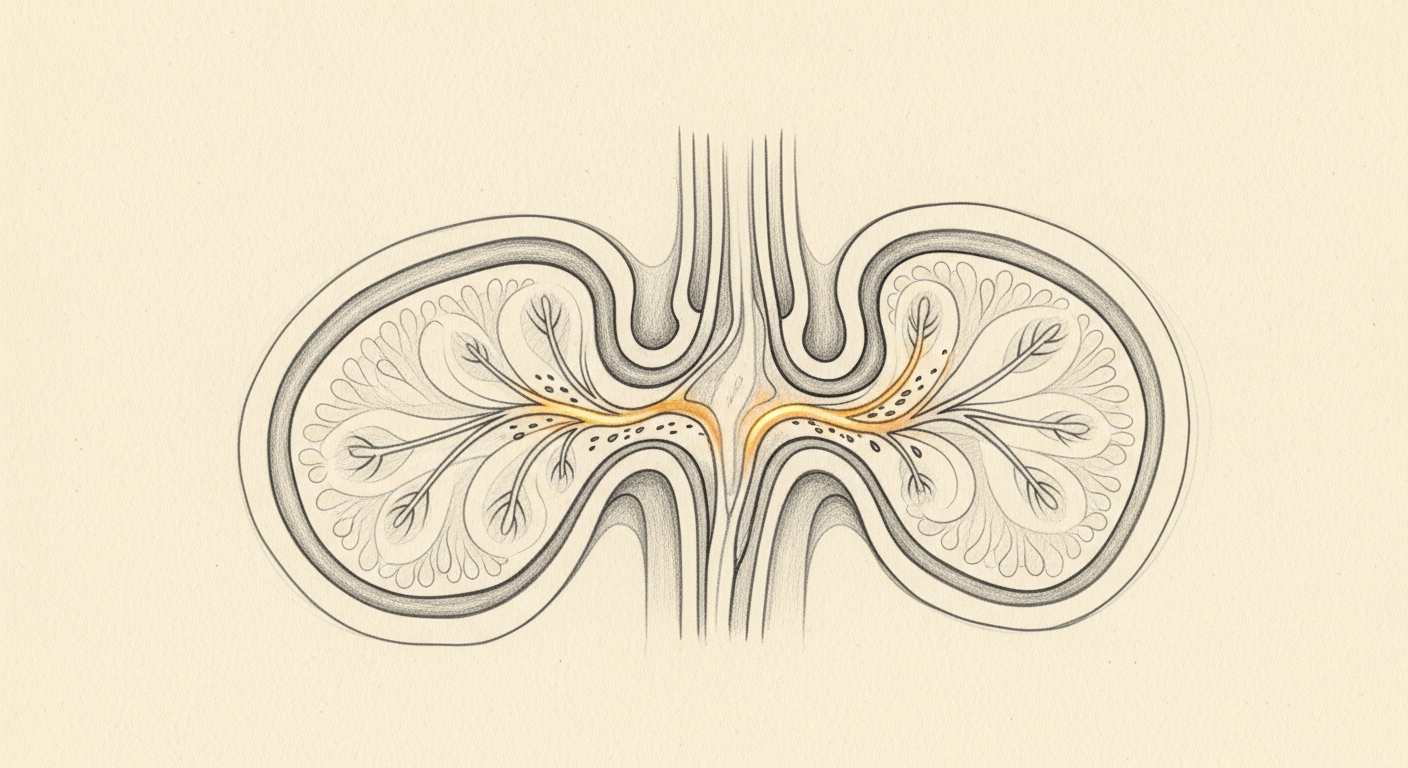
Healthy sinuses rely on a remarkably elegant cleaning system known as mucociliary clearance. The sinus lining is covered with microscopic hair-like structures called cilia, which beat in a coordinated, wave-like rhythm. This motion continually sweeps the thin layer of mucus — along with dust, allergens, and bacteria caught in it — toward the natural sinus openings and into the nose, where it is cleared without you ever noticing.
For this system to function, three things generally need to be in place: mucus of the right consistency, cilia that are healthy and moving well, and drainage openings that are open enough to let mucus pass. Chronic inflammation can interfere with all three. Mucus becomes thicker and harder to move, the cilia can become sluggish or damaged, and swelling narrows the openings the mucus is trying to reach.
When drainage slows, mucus pools rather than flows. Stagnant mucus is more prone to infection, and infection in turn causes more swelling — narrowing the pathway further. Understanding this pathway is helpful because it clarifies what treatment is actually trying to achieve. Medical therapy aims to thin mucus, reduce swelling, and support ciliary function, while procedures such as balloon sinuplasty or endoscopic sinus surgery aim to physically reopen and widen the drainage routes so the sinuses can clean themselves again.
Common Causes and Contributing Factors
Chronic sinusitis rarely has a single cause. More often, it develops from a combination of factors that together keep the sinus lining inflamed and the drainage pathways narrowed. Identifying which factors are most relevant to you is an essential part of building a treatment plan that lasts.
Contributing factors may include:
- Allergies, which can keep the nasal and sinus lining chronically swollen and reactive
- Asthma and other inflammatory conditions that often coexist with sinus disease
- Nasal polyps, which are soft growths that can block the nasal passages and sinus openings
- Structural issues such as a deviated septum, enlarged turbinates, or narrow drainage pathways
- Repeated infections that never fully resolve between flares
- Environmental irritants and exposures common in an urban environment
- Prior sinus surgery that did not fully address the underlying problem or has scarred over time
Because these factors interact, treating only one of them may provide partial or temporary relief. For example, opening a blocked sinus surgically may help drainage, but if significant allergic inflammation is left unmanaged, symptoms can return. A careful evaluation is designed to recognize the full picture so that medical and structural contributors can be addressed together rather than one at a time.
How Chronic Sinusitis Affects Daily Life
Many patients are surprised by how much chronic sinusitis can affect more than just the nose. Persistent congestion and drainage can interfere with sleep, leaving you tired during the day even after a full night in bed. Facial pressure can make it harder to concentrate, and a reduced sense of smell can quietly take some of the pleasure out of eating and everyday life.
Some patients describe a constant low-grade fatigue, frequent throat clearing, repeated rounds of antibiotics, and a sense that they are always either getting sick or recovering. Exercise, travel with air pressure changes, and demanding work schedules can all become more difficult. None of these experiences are unusual, and they are valid reasons to seek evaluation — chronic sinusitis is a quality-of-life condition, and its impact on daily function is an appropriate part of the conversation when deciding how to treat it.
It is also common for patients to adapt so gradually that they underestimate how much the condition has changed their routine. Over time, mouth breathing, restless sleep, and a dulled sense of smell can come to feel normal, and only after symptoms improve do many people realize how much they had been compensating. For this reason, it can be helpful to think back over several months rather than several days when describing your symptoms — the broader pattern often tells a clearer story than any single bad week, and that pattern is frequently what guides the most useful treatment decisions.
When Should You See a Sinus Specialist?
Occasional congestion or the rare sinus infection is common and usually does not require specialist care. Chronic sinusitis is different. If symptoms keep returning, linger for months, or fail to respond to standard treatment, an evaluation by a sinus specialist can help clarify what is actually going on and what is most likely to help.
Consider an evaluation if you have:
- Symptoms that have lasted for months rather than days or weeks
- Multiple sinus infections in a single year
- Symptoms that return soon after a course of antibiotics or steroids
- Known or suspected nasal polyps
- Persistent facial pressure together with congestion or drainage
- Ongoing difficulty breathing through the nose
- A history of sinus surgery with symptoms that have come back
A sinus specialist can help determine whether your symptoms are truly coming from the sinuses or from another source such as migraine, allergy, reflux, dental disease, or structural nasal obstruction. Distinguishing among these is important, because the right treatment depends entirely on the right diagnosis. If you are unsure whether your symptoms warrant evaluation, schedule a consultation to discuss them.
How Dr. Mourad Evaluates Chronic Sinusitis
A thoughtful diagnosis is the foundation of effective treatment. Rather than starting with a procedure, Dr. Mourad begins by understanding your history and matching your symptoms to objective findings. A diagnostic workup may include:
- 01A detailed review of your symptoms, their duration, and how they affect daily life
- 02A review of your medical history, including allergies, asthma, and prior treatments
- 03A focused examination of the nose and nasal airway
- 04Nasal endoscopy, when appropriate, to look directly at the drainage pathways and identify swelling, polyps, or obstruction
- 05A CT scan when symptoms and examination suggest sinus disease, to evaluate the sinus anatomy and the extent of inflammation
- 06A discussion of how your symptoms have responded to medications so far
Nasal endoscopy and imaging are particularly valuable because chronic sinusitis cannot always be confirmed by symptoms alone. Endoscopy allows a direct view of areas that are not visible during a routine exam, while a CT scan can reveal blocked sinuses, anatomical narrowing, or disease that would otherwise be hidden. The purpose of this workup is to match what you are experiencing with what can actually be seen, so that any recommendation — medical or surgical — is grounded in objective findings rather than assumptions.
Non-Surgical and Medical Treatment First
Not every patient with sinus symptoms needs surgery. Many patients improve with medical therapy, allergy management, nasal steroid sprays, saline irrigation, or other non-surgical treatment. For most people, conservative care is the appropriate first step, and it is often enough to bring symptoms under control.
Medical treatment is tailored to the individual and may include:
- Saline rinses and irrigation to clear mucus and soothe the nasal lining
- Nasal steroid sprays to reduce swelling in the nasal and sinus lining
- Allergy management when allergic inflammation is a significant contributor
- Antibiotics when a bacterial infection is suspected during a flare
- Oral steroids in selected cases, used carefully and for limited periods
- Treatment of related conditions such as asthma or reflux when they are part of the picture
Medical therapy is most effective when it is consistent and matched to the underlying cause. For patients with significant allergic or inflammatory disease, ongoing management may remain important even if a procedure is eventually recommended. Surgery is generally considered only when symptoms persist, objective findings support sinus disease, and appropriate medical treatment has not provided enough relief.
Office-Based and Surgical Treatment Options
When medical therapy alone does not control symptoms, and examination and imaging point to a structural or persistent problem, procedural options may be discussed. The aim of these procedures is consistent: to reopen and widen blocked drainage pathways so the sinuses can ventilate and clear mucus on their own. The right choice depends on the diagnosis, the extent of disease, and your individual anatomy.
Balloon Sinuplasty
For selected patients with limited sinus obstruction, balloon sinuplasty may help open blocked sinus pathways without removing tissue. A small balloon is used to gently dilate a narrowed sinus opening. This option is appropriate for some patients but not all, and candidacy depends on which sinuses are involved and the nature of the obstruction. If you want to understand how it compares with more extensive surgery, our overview of balloon sinuplasty versus endoscopic sinus surgery explains the differences honestly.
Endoscopic Sinus Surgery
For more extensive chronic sinusitis, endoscopic sinus surgery may be recommended to open blocked sinuses, remove obstructing tissue, or treat nasal polyps. Using a thin endoscope, the procedure is performed entirely through the nostrils without external incisions. It is designed to restore drainage and ventilation while preserving as much healthy tissue as possible, and it can also improve access for ongoing medical treatment afterward.
Nasal Airway Treatment
Chronic sinusitis often overlaps with nasal obstruction. When that is the case, treatment may also address a deviated septum, enlarged turbinates, or nasal valve collapse — sometimes during the same procedure. Treating sinus drainage and nasal breathing together can provide more complete and durable relief than addressing either one alone, which is one reason a combined evaluation of the nose and sinuses matters.
Chronic Sinusitis With Nasal Polyps
A meaningful number of patients with chronic sinusitis also have nasal polyps. These are soft, noncancerous growths that develop from the inflamed lining of the nose and sinuses. When polyps are present, they can block the nasal passages and sinus openings, reducing airflow and frequently dulling the sense of smell — sometimes more noticeably than other symptoms.
Chronic sinusitis with nasal polyps tends to be more persistent and usually calls for a long-term management plan. This may combine medical therapy to control the underlying inflammation, a procedure when polyps significantly block drainage, and ongoing follow-up to monitor for recurrence. Because polyps arise from inflammation, controlling that inflammation over time is as important as removing the polyps themselves. You can learn more on our nasal polyps treatment page.
How Chronic Sinusitis Connects to Related Conditions
Chronic sinusitis rarely exists in isolation. It frequently overlaps with other nasal and sinus conditions, and understanding these connections often explains why symptoms have been difficult to resolve. Treating the related condition can be the key to lasting improvement.
Conditions that commonly overlap with chronic sinusitis include:
- Recurrent sinus infections, where repeated flares may reflect underlying chronic inflammation or a drainage problem
- Sinus headaches and facial pressure, which may stem from blocked sinuses or from a separate cause that needs to be distinguished
- Post-nasal drip and nasal congestion, which often accompany ongoing sinus inflammation
- Nasal polyps, allergies, and asthma, which can all amplify sinus disease
Because these conditions share anatomy and inflammation, an evaluation that looks at the whole nasal airway — rather than chasing one symptom at a time — is more likely to identify the real drivers of your discomfort. This is the central reason patients with overlapping symptoms benefit from a combined assessment of the nose and sinuses together.
Is Surgery Always Necessary?
No. Surgery is not the first or only treatment for chronic sinusitis, and it is not the right answer for everyone. Many patients improve significantly with medical therapy, allergy management, and consistent nasal care. The decision to consider a procedure is never made on symptoms alone.
Surgery is generally considered when several things line up: symptoms persist despite appropriate treatment, examination and imaging show objective findings that support sinus disease, and less invasive options have not provided enough relief. When those conditions are met, a procedure can be a reasonable way to restore drainage and improve quality of life. When they are not, continuing or adjusting medical therapy is often the better path. The purpose of a careful evaluation is to make that distinction clearly, so any recommendation reflects your specific anatomy, diagnosis, and goals.
Why Evaluation by a Dual Board-Certified Specialist Matters
Dr. Moustafa Mourad is a dual board-certified facial plastic and reconstructive surgeon and otolaryngologist in New York City. His training allows him to evaluate sinus disease, nasal obstruction, and facial anatomy together — an important advantage for patients whose symptoms involve both breathing and nasal structure.
This combined perspective is particularly relevant in chronic sinusitis, because sinus symptoms so often overlap with structural nasal issues. A septum that deviates the airway, turbinates that are enlarged, or nasal valves that collapse can all affect how the sinuses drain and how comfortably you breathe. Evaluating these elements as a connected system — rather than as separate problems — supports treatment plans that consider both function and anatomy at once, and it helps ensure that the underlying contributors to your symptoms are not overlooked. Every recommendation is individualized, and the consultation is where that plan begins.
When to Seek Care and What Comes Next
If you have had sinus symptoms for months, repeated infections, or congestion and pressure that have not responded to standard treatment, an evaluation is a reasonable next step. There is no need to keep cycling through the same remedies without understanding the underlying cause. Seek prompt medical attention for more serious warning signs such as a high fever, severe headache, vision changes, swelling around the eyes, or a sudden and significant change in symptoms.
A consultation is designed to clarify your diagnosis, explain your options from conservative care to surgery, and outline a plan tailored to your anatomy and goals. To take that step, schedule a consultation or call 212.832.0444 to speak with the office about your symptoms and the treatment paths available to you.
Frequently Asked
Chronic Sinusitis Treatment in NYC — patient questions, honestly answered.
Sinusitis refers to inflammation of the sinuses. It may be acute, recurrent, or chronic. A sinus infection is often used to describe an acute bacterial or viral flare, but chronic sinusitis can involve ongoing inflammation even when an active infection is not present. This is one reason chronic sinusitis may not fully respond to antibiotics alone.
Continue exploring
Related sinus care & resources
Next step
Plans are individualized. The consultation is where that begins.
Reach the Manhattan office to schedule a private consultation with Dr. Mourad.