
Sinus Care
Post-Nasal Drip and Nasal Congestion Treatment in NYC
Post-nasal drip that will not go away usually has a cause: rhinitis, sinusitis or reflux. How to tell which, what helps, and when to see a specialist.
ABFPRS
Facial Plastic & Reconstructive Surgery
ABOto
Otolaryngology — Head & Neck Surgery
AAFPRS
Fellowship Director

Overview
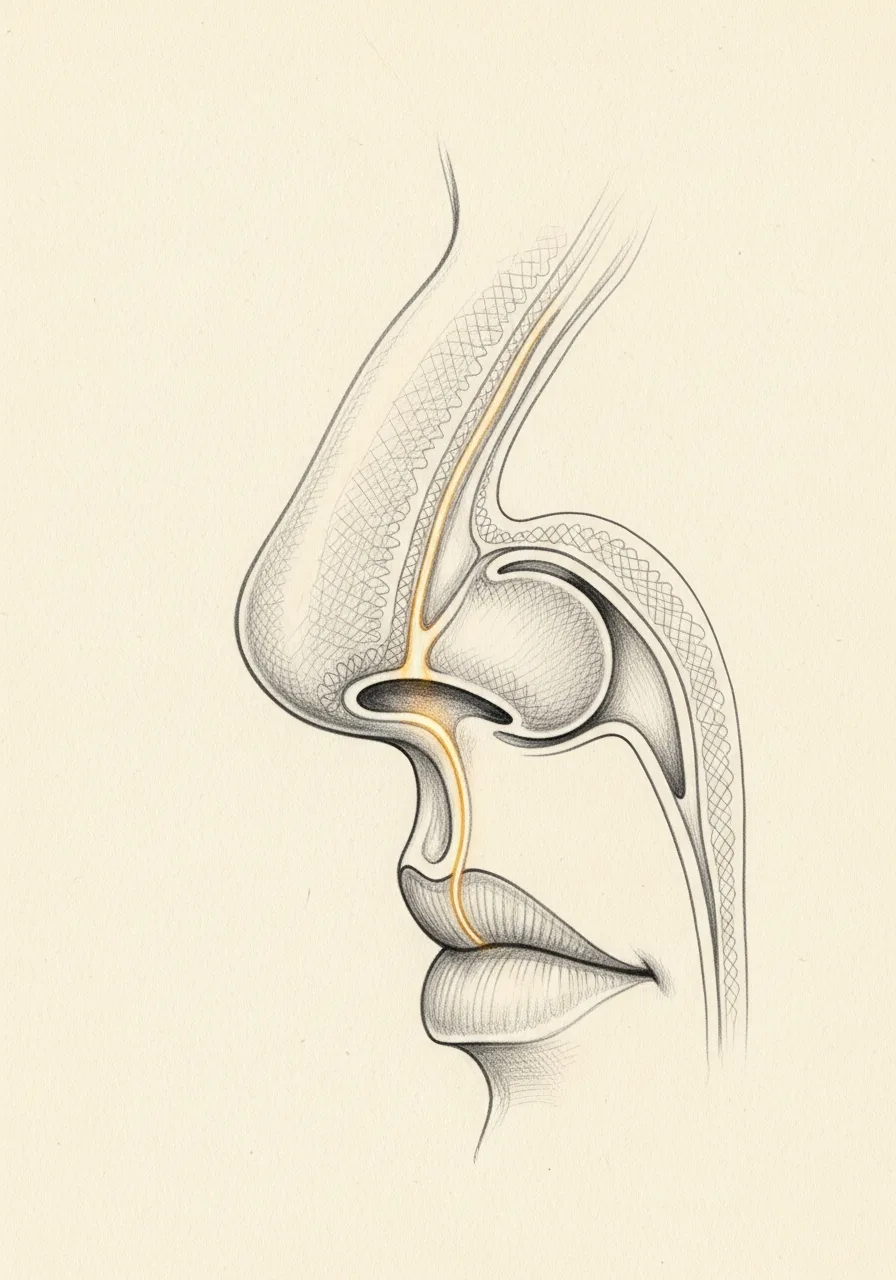
Constant mucus at the back of the throat, frequent throat clearing, and a nagging cough are among the most common reasons people see an ENT. Post-nasal drip isn't a diagnosis — it's a symptom with a handful of usual causes, and treatment works once the right one is identified.
An Established Academic Authority
Double board certification. Fellowship director. Published author. A surgeon's surgeon.
ABFPRS
Board Certified
American Board of Facial Plastic & Reconstructive Surgery
ABOto
Board Certified
American Board of Otolaryngology — Head & Neck Surgery
AAFPRS
Fellowship Director
American Academy of Facial Plastic and Reconstructive Surgery
Textbook
Published Author
Contributions to the academic literature of facial plastic surgery
Dual board certification in both Facial Plastic & Reconstructive Surgery and Otolaryngology — Head & Neck Surgery.
Castle Connolly Top Doctor — Plastic Surgery, 2026Overview
Post-nasal drip and chronic nasal congestion are among the most common reasons patients seek care for the nose and sinuses, and they are also among the most frequently misunderstood. Many people assume that a constant trickle of mucus at the back of the throat, or a nose that never feels fully open, automatically points to a sinus infection. In reality, these symptoms are signals — not diagnoses — and they can arise from several different parts of the nose, sinuses, and surrounding structures, sometimes acting together.
Dr. Moustafa Mourad evaluates the nose, sinuses, and airway together to determine whether symptoms are sinus-related, structural, inflammatory, or related to another cause entirely. As a dual board-certified facial plastic and reconstructive surgeon and otolaryngologist, he is trained to assess sinus disease, nasal obstruction, and facial anatomy in the same examination, which can be especially useful when symptoms involve both how you breathe and how mucus moves through the nose.
The goal of this page is educational: to help you understand why these symptoms happen, how they are evaluated, and the range of treatments — medical, office-based, and surgical — that may be appropriate depending on the underlying cause. Not every patient with post-nasal drip or congestion needs a procedure, and identifying the specific driver is what allows treatment to be focused rather than generic.
Post-Nasal Drip and Congestion Are Different Symptoms
Although they often occur together, post-nasal drip and nasal congestion describe two distinct experiences, and separating them helps direct the evaluation.
What post-nasal drip feels like
Post-nasal drip is the sensation of mucus accumulating or dripping from the back of the nose into the throat. The nose and sinuses produce mucus continuously as a normal protective function, and most of the time this fluid is swallowed without notice. Post-nasal drip becomes noticeable when the mucus changes in volume, thickness, or character, or when the throat becomes more sensitive to its presence. Patients often describe frequent throat clearing, a tickling cough that is worse at night or when lying down, a feeling of something stuck in the throat, or hoarseness in the morning.
What nasal congestion feels like
Nasal congestion is the sense that air does not move freely through one or both sides of the nose. It may be constant or it may shift from side to side throughout the day, a normal pattern called the nasal cycle that becomes bothersome when the baseline airway is already narrow. Congestion can interfere with sleep, reduce the sense of smell and taste, lead to mouth breathing, and make exercise feel harder. Understanding whether the dominant problem is drainage, airflow, or both is one of the first steps in an accurate evaluation.
How Drainage Normally Works
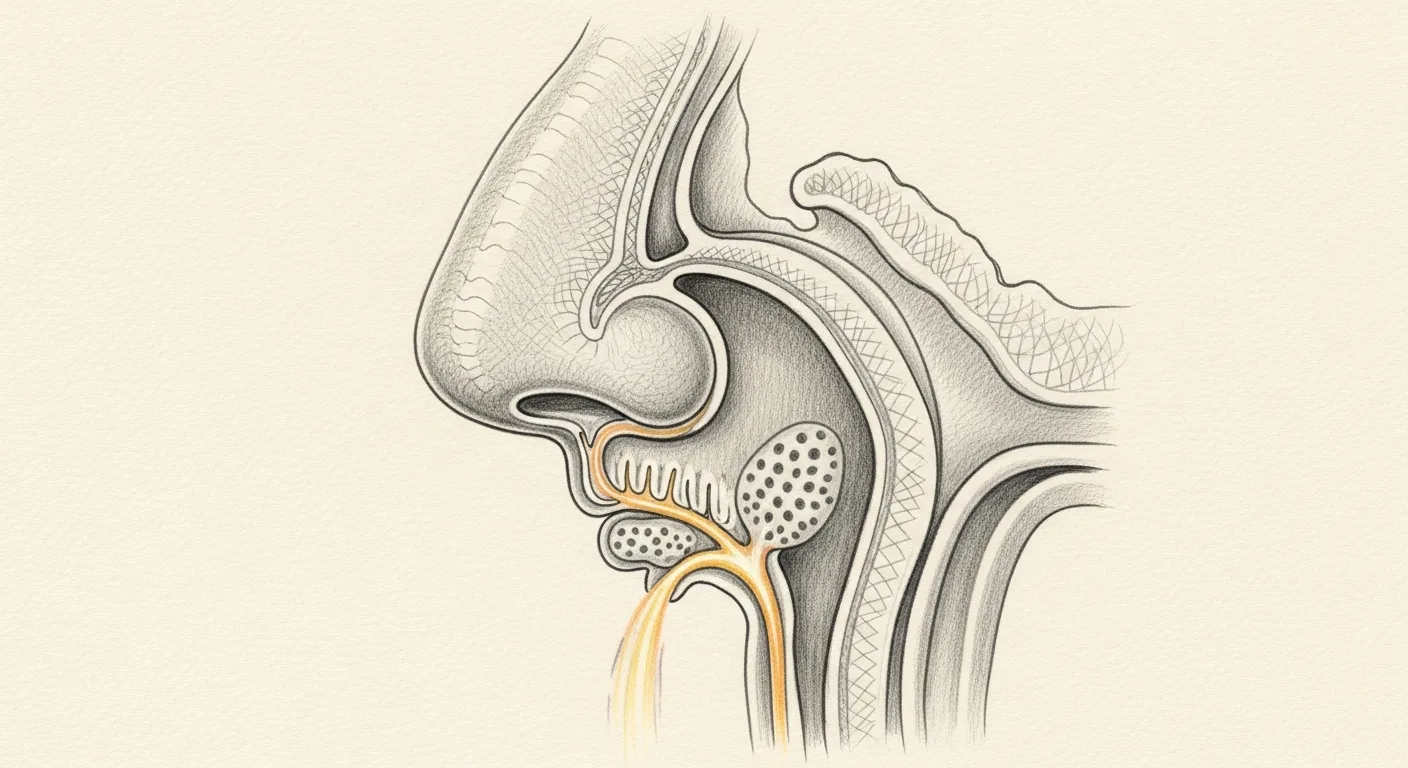
To understand why these symptoms develop, it helps to know how the nose and sinuses manage mucus when everything is working well. The lining of the nose and sinuses is covered by a thin layer of mucus and by microscopic, hair-like structures called cilia. The cilia beat in a coordinated wave that steadily moves the mucus blanket toward the back of the nose, where it drains into the throat and is swallowed. This mucociliary clearance system runs quietly in the background all day and is part of how the airway traps and removes dust, allergens, and other particles.
When this system is balanced, you are generally unaware of it. Several things can disrupt that balance and make drainage noticeable. Mucus can become thicker and harder to move, often from dryness or irritation. The lining can become inflamed and produce more mucus than usual. The cilia can be slowed by inflammation or irritants. Or the pathways that mucus normally travels through can become narrowed, so that fluid pools rather than clearing smoothly.
Because drainage depends on this interaction between mucus quality, lining health, ciliary function, and open passages, post-nasal drip is rarely caused by a single isolated factor. Treatment that addresses only one piece — for example, repeatedly treating for infection when the real driver is allergic inflammation or dryness — often produces only partial or temporary relief. A careful evaluation aims to identify which part of the system is contributing in your particular case.
What Causes Post-Nasal Drip?
Post-nasal drip can have many contributing causes, and in many patients more than one is at work. Common contributors include:
- Chronic sinusitis, where ongoing inflammation of the sinus lining increases mucus production and can change its character
- Allergies, which trigger inflammation, sneezing, itching, and increased nasal secretions in response to specific triggers
- Non-allergic rhinitis, where the lining reacts to weather changes, temperature, strong odors, or irritants without a true allergic mechanism
- Reflux, where stomach contents irritate the throat and upper airway and can heighten the sensation of drainage
- Irritants or dryness, including heated indoor air, pollution, smoke, and low humidity that thicken mucus
- Nasal polyps, soft growths of inflamed lining that can alter airflow and drainage
- A deviated septum or turbinate enlargement that disrupts the normal path mucus takes
- Medication effects, since some medications can dry the airway or change mucus consistency
An important point: the sensation of mucus drainage does not always mean a sinus infection. Frequent throat clearing and drainage are often driven by allergic or non-allergic inflammation, reflux, or dryness rather than bacteria. This is one reason that repeated courses of antibiotics, taken on the assumption that drainage equals infection, frequently fail to provide lasting relief. Identifying the actual mechanism is what allows treatment to be targeted.
What Causes Chronic Nasal Congestion?
Chronic nasal congestion has its own set of contributing factors, some of which overlap with the causes of post-nasal drip and some of which are primarily about the physical airway. Congestion may be related to:
- Swollen turbinates, the structures on the side walls of the nose that warm and humidify air and can enlarge with allergies or chronic irritation
- A deviated septum, where the wall between the two nasal passages is shifted to one side and narrows the airway
- Nasal valve collapse, where the narrowest part of the nasal airway is weak or pinched and limits airflow, especially on deep breathing
- Allergic inflammation that swells the lining throughout the nose
- Chronic sinusitis with ongoing inflammation that affects how open the nasal passages feel
- Nasal polyps that physically take up space in the nasal cavity
- Changes from prior nasal surgery that have altered the internal structure or airflow
Patients sometimes assume congestion is a sinus problem when the main issue is actually airflow through the nasal passages themselves. The sinuses and the nasal airway are connected but not identical, and a nose that feels blocked may reflect structural narrowing, lining swelling, or both — distinctions that matter a great deal when choosing treatment. A blocked feeling caused mainly by a deviated septum, for instance, is unlikely to improve with sinus-directed therapy alone.
What Narrows the Nasal Airway
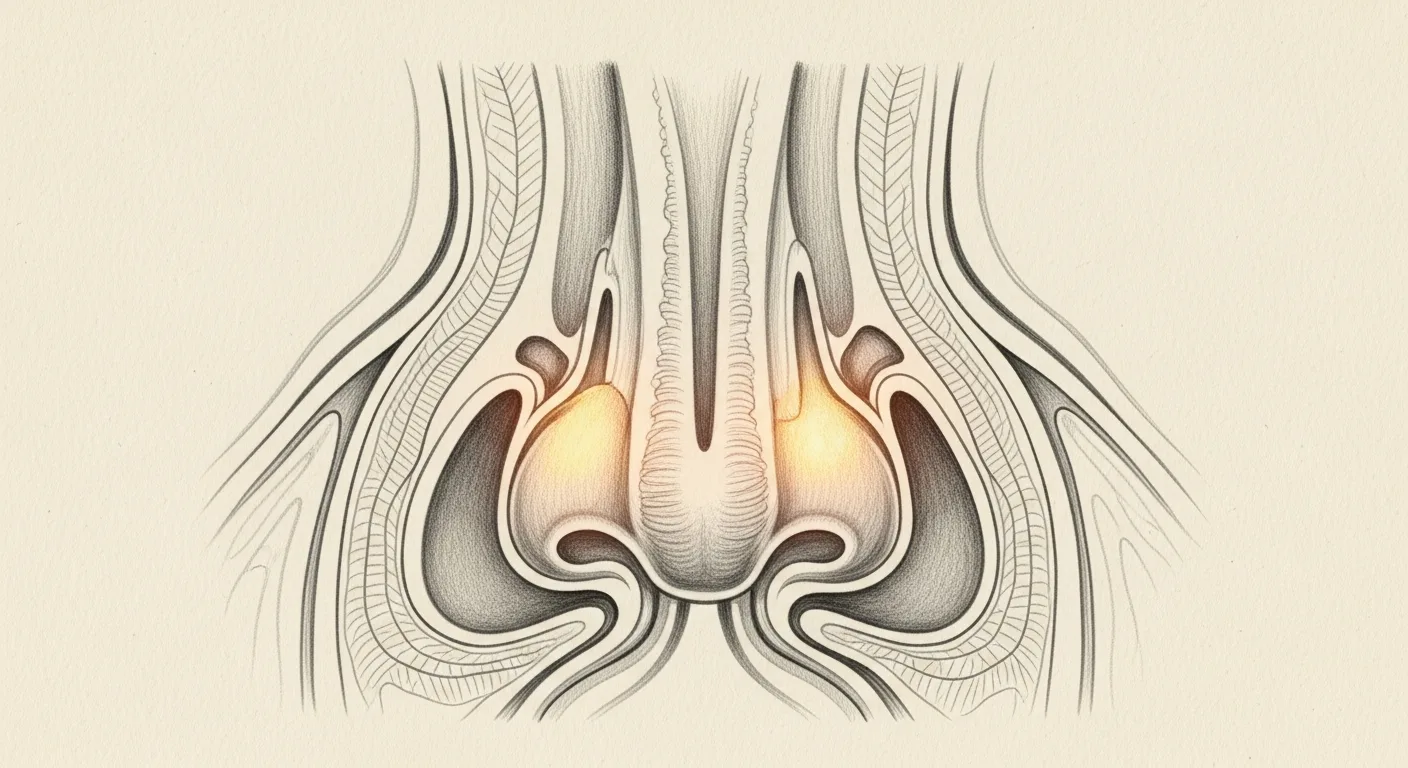
When congestion is driven by the physical shape of the nose rather than by inflammation alone, two structures are most often involved: the septum and the turbinates. The septum is the partition of cartilage and bone that divides the nose into a right and left passage. When it is shifted or bent to one side — a condition known as a deviated septum — it can substantially narrow one airway while crowding the structures on the other side.
The turbinates are curved, shelf-like structures along the side walls of the nasal cavity. They are lined with tissue that swells and shrinks to condition the air you breathe. When the turbinates are chronically enlarged, often from allergies or long-standing irritation, they reduce the space available for airflow. A deviated septum and enlarged turbinates frequently occur together, with the turbinate on the more open side enlarging to fill space, which can make congestion feel as though it shifts from side to side.
When structural narrowing is the dominant cause of congestion, treatments aimed at inflammation may help only modestly, and addressing the structure itself can be more effective. Procedures such as septoplasty to straighten the septum or turbinate reduction to decrease the size of enlarged turbinates are designed to widen the nasal airway. These are considered only after evaluation confirms that structure is a meaningful contributor, and they are often discussed alongside, rather than instead of, medical management of any associated inflammation.
When Symptoms Are Sinus-Related and When They Are Not
One of the most useful outcomes of a thorough evaluation is clarifying whether your symptoms are genuinely sinus-related. Post-nasal drip and congestion are common to many conditions, and the treatments differ significantly depending on the source.
Symptoms may be more likely to involve the sinuses when there is facial pressure or fullness over the cheeks, forehead, or around the eyes, when there is a reduced sense of smell, when symptoms persist for many weeks, or when there is a history of repeated infections. In these situations, evaluation of the sinuses, sometimes including imaging, becomes more relevant. Patients with these patterns may benefit from reviewing information on chronic sinusitis treatment and on recurrent sinus infections.
By contrast, symptoms may point away from the sinuses and toward other causes when drainage and throat clearing occur without facial pressure, when congestion clearly tracks with allergy seasons or specific exposures, when symptoms worsen after meals or when lying down in a pattern suggesting reflux, or when blockage is consistently one-sided in a way that suggests a structural cause. Recognizing these patterns helps avoid treatments aimed at the wrong target and directs attention to the factor most likely to be responsible.
How Dr. Mourad Evaluates These Symptoms
Because post-nasal drip and congestion can come from several overlapping sources, the evaluation is designed to narrow down the cause rather than to assume it. A consultation may include:
- 01A detailed symptom history, including how long symptoms have lasted, what makes them better or worse, seasonal or exposure patterns, and the effect on sleep, breathing, and daily comfort
- 02A nasal airway examination to assess the septum, turbinates, nasal valve, and lining
- 03Nasal endoscopy when appropriate, using a thin camera to look directly at the deeper nasal passages and sinus drainage areas that cannot be seen on a standard exam
- 04A review of allergy and reflux history, since both are common contributors that may not be obvious
- 05CT imaging if chronic sinusitis is suspected, to evaluate the sinus anatomy and the extent of any inflammation or blockage
- 06A review of prior treatments such as nasal sprays, antibiotics, allergy medications, or steroids, including what was tried and how well it worked
The history of prior treatment is often particularly informative. Knowing what has already been tried, and what response it produced, helps distinguish, for example, allergic inflammation that responded partially to a nasal steroid from structural obstruction that did not respond at all. The aim throughout is to match the treatment to the actual cause rather than to treat symptoms in isolation.
Non-Surgical and Medical Treatment Options First
Not every patient with post-nasal drip or nasal congestion needs a procedure. Many patients improve with medical and conservative measures, and these are generally the first step once the likely cause is identified. Depending on the diagnosis, treatment may include:
- Saline irrigation or saline sprays to moisturize the lining, thin mucus, and help clear secretions
- Nasal steroid sprays to reduce inflammation in the lining when inflammation is contributing
- Allergy management, which may involve avoidance strategies, medications, or allergy evaluation when triggers are suspected
- Reflux management when reflux appears to be irritating the throat and upper airway
- Treatment directed at chronic sinusitis when objective sinus inflammation is present
- Adjustments to environment and habits, such as humidification, reducing exposure to irritants, and staying well hydrated to keep mucus thinner
Conservative treatment is often given a fair trial and adjusted based on the response, because the way symptoms react to a targeted medical approach is itself diagnostic information. When symptoms improve, that may be the appropriate level of care. When they persist despite a reasonable medical effort, that pattern helps clarify whether a structural or surgical option deserves consideration.
For appropriately selected patients whose persistent post-nasal drainage is related to chronic or nonallergic rhinitis, posterior nasal nerve treatment or ablation can be considered, particularly when symptoms persist despite appropriate medical therapy. This page describes posterior nasal nerve treatment rather than promising a particular commercial device.
Treating Structural Causes of Congestion
When evaluation shows that the dominant cause of congestion is the physical shape of the nasal airway rather than inflammation alone, structural treatment may be appropriate. The most common structural contributors are a deviated septum and enlarged turbinates, and the procedures that address them are designed to widen the airway and improve airflow.
Septoplasty is a procedure to straighten a deviated septum so that the two nasal passages are more balanced and open. Turbinate reduction decreases the size of chronically enlarged turbinates while preserving their important function of conditioning the air you breathe. These procedures are sometimes performed together, and in patients who also have a nasal valve problem, support for the nasal valve may be considered as part of the same plan.
Structural surgery is considered only after the evaluation confirms that structure is a meaningful contributor and after conservative measures have been weighed. Because the nasal airway and the sinuses are connected, some patients have both structural narrowing and sinus inflammation, in which case the plan may address more than one issue. Dr. Mourad will discuss what is driving your symptoms and which combination of approaches, if any, is appropriate for your anatomy and goals.
When Is Sinus Surgery Considered?
Sinus surgery is one option among several, and it is reserved for specific situations rather than used as a general remedy for drainage or congestion. It may be considered when post-nasal drip or congestion is associated with chronic sinusitis, recurrent infections, nasal polyps, or CT evidence of sinus obstruction — and typically only after medical management has been given an adequate trial.
Just as important is understanding when sinus surgery is not usually the answer. It is generally not recommended for congestion caused only by allergies or by structural nasal blockage, because in those cases the procedure would not address the underlying cause. Allergic congestion is better managed medically, and structural blockage is better addressed with procedures aimed at the septum or turbinates. Matching the procedure to the problem is what makes treatment meaningful.
For patients whose symptoms are confirmed to be sinus-driven, the goal of sinus surgery is to improve drainage and ventilation of the sinuses and to make medical therapy more effective afterward. Even when surgery is appropriate, ongoing care may still be needed, particularly for patients with allergies, asthma, or polyps, since these conditions can continue to drive inflammation. Dr. Mourad will explain what a procedure can realistically address and what role continued medical management would play.
Why Evaluating the Nose and Sinuses Together Matters
Post-nasal drip and nasal congestion sit at the intersection of the nasal airway, the sinuses, allergies, and sometimes the throat. Because the contributing factors overlap, an evaluation that looks at only one piece can miss the larger picture. A patient treated repeatedly for presumed infection may actually have allergic inflammation; a patient told their congestion is sinus-related may primarily have a deviated septum; and many patients have a combination that no single treatment fully addresses.
Dr. Moustafa Mourad is a dual board-certified facial plastic and reconstructive surgeon and otolaryngologist in New York City. His training allows him to evaluate sinus disease, nasal obstruction, and facial anatomy together, which is an advantage for patients whose symptoms involve both how they breathe and the structure of the nose. This integrated assessment helps ensure that treatment is directed at the actual cause and that the function of the nose and the sinuses is considered as a connected system.
The practical benefit is a plan that fits your diagnosis. Some patients leave a consultation with a focused medical regimen, others with a structural recommendation, and others with a combined approach. The right path depends on your anatomy, your history, and what the examination and any imaging reveal.
Daily Habits and Environmental Triggers
Alongside any medical or structural treatment, the environment you spend your time in and a few daily habits can have a meaningful effect on post-nasal drip and congestion. The lining of the nose responds to humidity, temperature, and airborne irritants, and small changes can make symptoms easier to manage. None of these measures replaces an evaluation, but they often complement targeted treatment and can reduce day-to-day discomfort.
Common triggers worth paying attention to include dry indoor heating in winter, air conditioning, smoke, strong fragrances and cleaning products, and seasonal allergens. Keeping mucus thinner and the lining more comfortable is the general goal behind several practical steps:
- Staying well hydrated through the day, which helps keep secretions thinner and easier to clear
- Using a humidifier in dry indoor air, particularly during heating season, while keeping the device clean to avoid adding irritants
- Rinsing with saline to moisturize the lining and help clear mucus and allergens
- Reducing exposure to smoke, strong odors, and airborne irritants where possible
- Managing known allergen exposures at home, such as dust and pet dander, when allergies are a factor
- Noting whether symptoms worsen at night or after meals, which can point toward reflux or positional factors worth discussing
Tracking which situations make your symptoms better or worse is also valuable information for an evaluation. A clear pattern — for instance, congestion that flares with a particular season, or drainage that is worse lying down — can help narrow the likely cause and shape the treatment plan. Bringing those observations to a consultation can make the assessment more precise.
When to Seek Care and Next Steps
Occasional drainage or temporary stuffiness with a cold is normal and usually resolves on its own. It is reasonable to seek a formal evaluation when post-nasal drip or congestion is persistent over many weeks, when it interferes with sleep, exercise, or daily comfort, when it keeps returning despite treatment, or when it is accompanied by facial pressure, a reduced sense of smell, or repeated infections.
An evaluation is the step that turns a vague, persistent symptom into a specific, treatable diagnosis. By examining the nose and sinuses together and reviewing what has already been tried, the goal is to identify the cause and discuss the options — medical, structural, or sinus-directed — that make sense for you.
If congestion or post-nasal drip is persistent, schedule a consultation or call 212.832.0444 to identify the cause and discuss appropriate treatment options with Dr. Mourad in New York City.
What's causing your post-nasal drip?
The kind of mucus and what comes with it are the best clues.
Clear, watery drip with sneezing and itchy eyes; worse in certain seasons or around pets → Allergic rhinitis. Clear drip triggered by cold air, strong smells, spicy food, or alcohol; no allergies on testing → Nonallergic (vasomotor) rhinitis. Thick, discolored mucus with congestion, facial pressure, or reduced smell for 12+ weeks → Chronic sinusitis. Mucus sensation with throat clearing, hoarseness, or heartburn — often worse after meals or lying down → Reflux (including "silent" reflux). One-sided, foul-smelling drainage needs evaluation.
More than one cause is common — for example, allergy plus reflux. That's often why treating one alone brings only partial relief.
Post-nasal drip treatment
What you can start at home — Saline rinses once or twice daily thin mucus and clear it. Hydration and humidity help, stop decongestant sprays used longer than three days, and avoid eating within three hours of bed when reflux contributes.
Treatments matched to the cause — Allergic rhinitis may respond to a daily steroid spray, antihistamine spray, and allergy testing. Nonallergic rhinitis may respond to antihistamine or ipratropium spray. Chronic sinusitis is treated with irrigation and topical steroids, with procedures when disease persists; reflux is treated with lifestyle measures and, where appropriate, medication.
Office procedures — Turbinate reduction opens an airway narrowed by enlarged turbinates, while septoplasty corrects a deviated septum. Neither cures inflammatory rhinitis, but both can make breathing and medications work better.
Frequently Asked
Post-Nasal Drip and Nasal Congestion Treatment in NYC — patient questions, honestly answered.
Usually because the cause hasn't been treated — or there's more than one. Allergy, nonallergic rhinitis, chronic sinusitis, and reflux often overlap, and treating only one leaves the others running. Drip lasting more than a few months is worth an evaluation to sort out which are involved.
Yes. It's one of the most common causes of a chronic cough, especially one that's worse at night or in the morning. Treating the underlying rhinitis or sinusitis usually improves the cough. A cough lasting more than eight weeks also deserves attention to other causes, such as asthma or reflux.
Continue exploring
Related resources
Chronic Sinusitis Treatment NYC
When ongoing sinus inflammation is driving drainage and congestion, learn how chronic sinusitis is evaluated and treated.
Sinus Surgery NYC
How sinus surgery is used to improve drainage and ventilation when symptoms are confirmed to be sinus-driven.
Sinus Headache Doctor NYC
Facial pressure and headache can overlap with sinus symptoms; understand when pressure is sinus-related.
Septoplasty Surgery NYC
When a deviated septum is narrowing the nasal airway, septoplasty is designed to straighten it and improve airflow.
Recurrent Sinus Infections NYC
When drainage and congestion come with repeated infections, learn how recurrent sinus infections are assessed.
Next step
Plans are individualized. The consultation is where that begins.
Reach the Manhattan office to schedule a private consultation with Dr. Mourad.