
Sinus Care
Sinus Headache or Migraine? Understanding Facial Pressure
Most sinus headaches are actually migraines. How to tell the difference, when facial pressure really is sinus-related, and what treatment helps.
ABFPRS
Facial Plastic & Reconstructive Surgery
ABOto
Otolaryngology — Head & Neck Surgery
AAFPRS
Fellowship Director

Overview
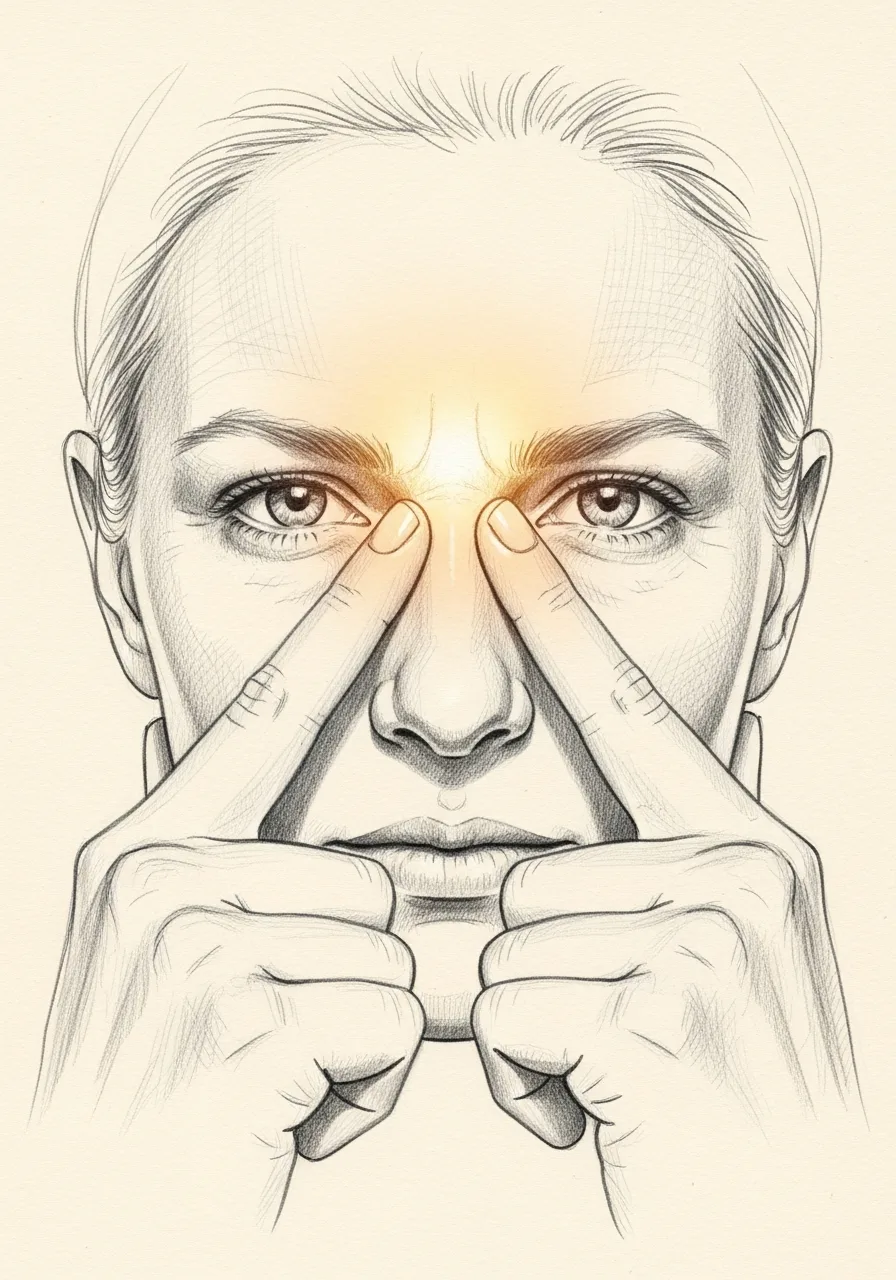
Pressure behind the cheeks, eyes, or forehead feels like it must be coming from the sinuses. Surprisingly often, it isn't: in one large study, nearly nine in ten people with self-diagnosed "sinus headaches" actually met the criteria for migraine. Getting the diagnosis right is what gets you the right treatment.
An Established Academic Authority
Double board certification. Fellowship director. Published author. A surgeon's surgeon.
ABFPRS
Board Certified
American Board of Facial Plastic & Reconstructive Surgery
ABOto
Board Certified
American Board of Otolaryngology — Head & Neck Surgery
AAFPRS
Fellowship Director
American Academy of Facial Plastic and Reconstructive Surgery
Textbook
Published Author
Contributions to the academic literature of facial plastic surgery
Dual board certification in both Facial Plastic & Reconstructive Surgery and Otolaryngology — Head & Neck Surgery.
Castle Connolly Top Doctor — Plastic Surgery, 2026Understanding Sinus Headaches and Facial Pressure
Many people use the phrase sinus headache to describe a heavy, aching pressure across the forehead, between the eyes, over the cheeks, or around the bridge of the nose. The sensation can feel deep and dull, and it often worsens when bending forward, lying down, or first waking in the morning. Because the discomfort sits over the sinuses, it is natural to assume the sinuses are the source. In reality, facial pressure is a symptom that can be produced by several different conditions, only some of which involve the sinuses at all.
This distinction matters because the right treatment depends entirely on the right diagnosis. Pressure caused by inflamed, obstructed sinuses responds to different care than pressure driven by migraine, allergies, dental disease, or jaw tension. Treating a sinus problem that is not present rarely helps, and treating a headache disorder as though it were a sinus infection can delay meaningful relief. The goal of evaluation is to identify what is actually generating the pressure so that care can be directed where it will do the most good.
Dr. Moustafa Mourad evaluates facial pressure in the context of the entire nasal and sinus system rather than in isolation. By examining how the nose, sinuses, and airway function together, he can determine whether sinus-directed treatment is likely to help, whether another cause is more probable, or whether more than one factor is contributing. This careful, physician-led approach is designed to prevent unnecessary treatment and to give each patient a clear, honest picture of what is driving their symptoms.
If facial pressure, congestion, or recurring sinus symptoms are interfering with your sleep, concentration, exercise, or day-to-day comfort, you can schedule a consultation or call 212.832.0444 to discuss your situation.
Where Facial Pressure Comes From
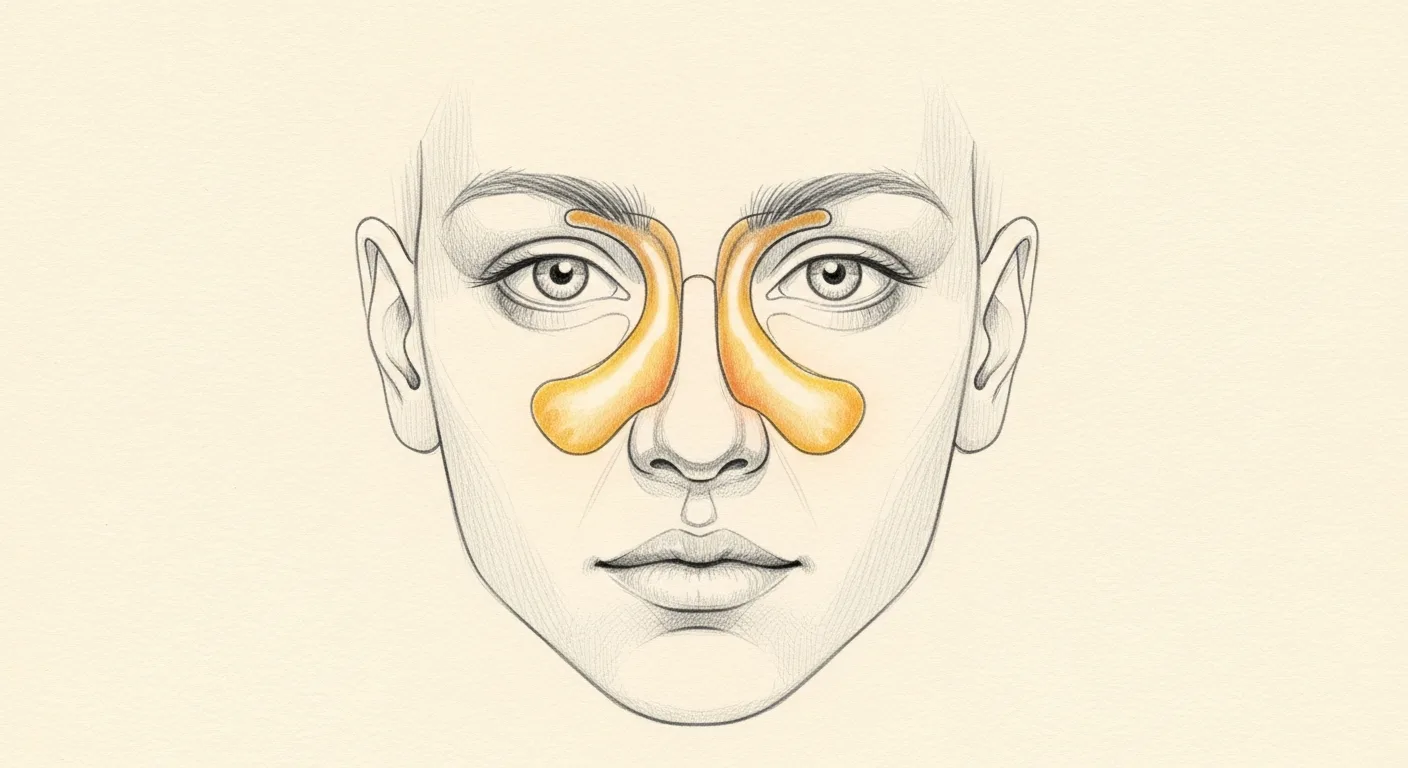
The sinuses are a connected set of air-filled spaces within the bones of the face and skull. They are lined with a thin, moist membrane and are designed to drain into the nasal cavity through narrow openings. When you feel facial pressure, the location of that pressure often corresponds to a particular group of sinuses, which is one of the reasons mapping the discomfort can be clinically useful.
Each major sinus group sits in a predictable region of the face:
- The frontal sinuses lie behind the forehead, above the eyebrows, and are a common source of forehead pressure.
- The ethmoid sinuses sit between the eyes, near the bridge of the nose, and often produce pressure felt deep between or behind the eyes.
- The maxillary sinuses occupy the cheeks beneath the eyes and can create pressure across the midface, sometimes mistaken for dental pain.
- The sphenoid sinuses lie deeper in the skull behind the nose and can contribute to pressure felt toward the back of the head or behind the eyes.
Because these spaces are positioned so close to the eyes, teeth, and forehead, sinus-related pressure can radiate into nearby structures and feel like it is coming from somewhere else. Conversely, problems in the teeth, jaw, or nerves of the face can produce sensations that feel like sinus pressure. Understanding this anatomy is the first step toward reading facial pressure accurately rather than guessing at its origin.
The narrow channels that drain each sinus group are central to the story. When these openings stay open and the lining functions normally, mucus moves steadily into the nose and the sinuses remain ventilated and comfortable. When the openings narrow or the lining swells, the balance of airflow and drainage is disrupted, and that disruption is frequently where pressure begins.
How Blocked Sinuses Create Pressure
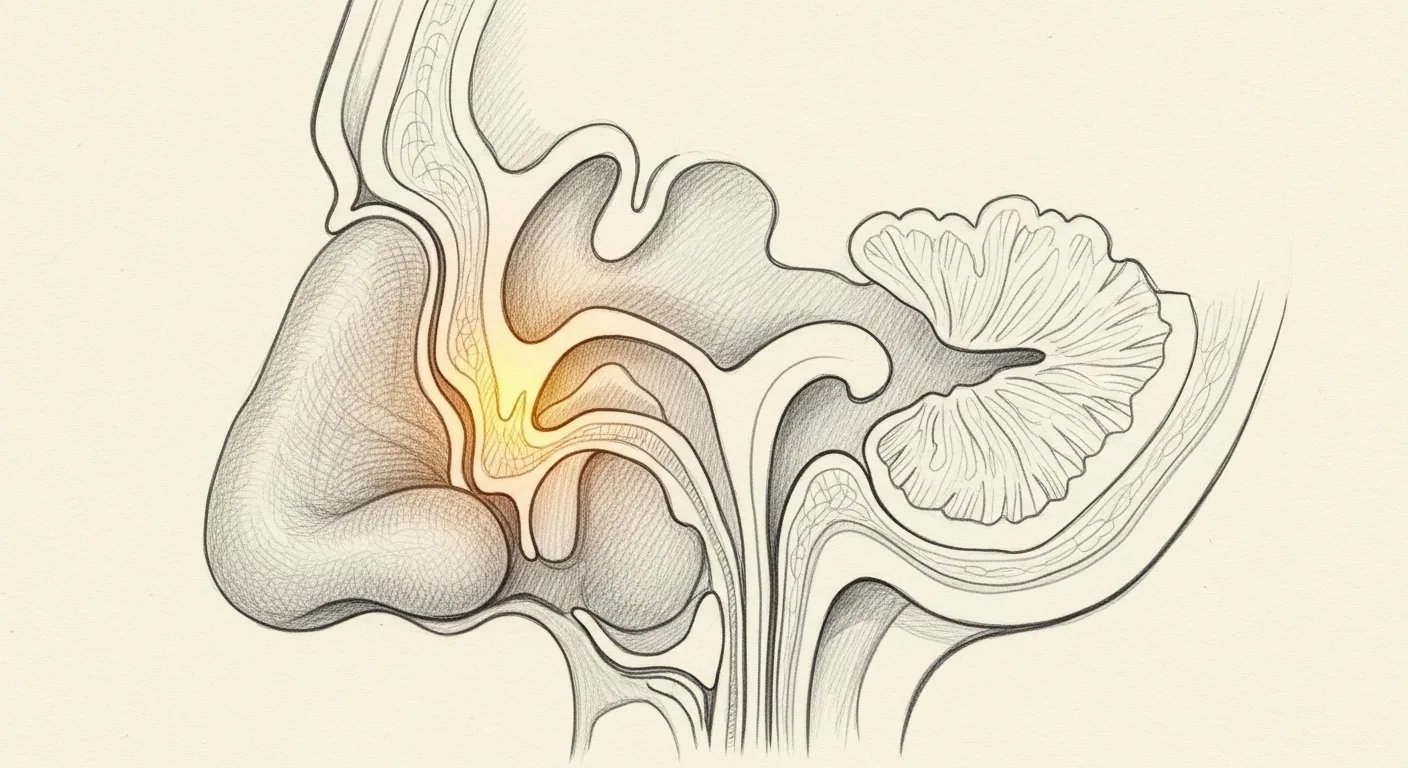
Healthy sinuses depend on two things working together: a lining that produces and moves mucus, and open drainage pathways that let that mucus escape into the nose. When the lining becomes inflamed, it swells. When the drainage openings narrow, mucus can no longer clear efficiently. The result is a closed, congested space in which secretions accumulate and ventilation drops.
This is often where the sensation of pressure arises. A sinus that cannot ventilate or drain normally can develop a difference in pressure relative to the surrounding tissue, and the inflamed lining itself becomes sensitive. Many patients describe this as a fullness or heaviness that intensifies with position changes, such as bending over to tie a shoe or lying flat at night, because gravity and posture influence how trapped secretions and swelling behave.
The cycle that keeps pressure going
Once a drainage pathway is partially blocked, a self-reinforcing pattern can develop. Swelling narrows the opening, the narrowed opening traps mucus, the trapped mucus encourages further inflammation, and that inflammation produces more swelling. For some patients this resolves on its own or with simple measures. For others, particularly when there is an underlying structural or inflammatory issue, the pattern keeps repeating and the pressure becomes a recurring or persistent feature of daily life.
Contributing factors that can keep this cycle going include allergic inflammation, nasal polyps, a deviated septum, enlarged turbinates, and narrow drainage anatomy. Because several of these can coexist, two patients with identical-sounding symptoms may have very different underlying problems, which is exactly why an individualized evaluation is so important. You can read more about the inflammatory side of this picture on the Chronic Sinusitis Treatment NYC page.
When Facial Pressure Is Likely Sinus-Related
Facial pressure is more likely to be related to the sinuses when it occurs alongside other nasal and sinus symptoms rather than on its own. The presence of several of the following together raises the probability that the sinuses are genuinely involved:
- Nasal congestion or a persistently blocked feeling in the nose
- Thick or discolored nasal drainage
- Post-nasal drip down the back of the throat
- A reduced or altered sense of smell
- Recurrent or lingering sinus infections
- Nasal polyps identified on examination
- Imaging that shows sinus inflammation or obstruction
When facial pressure travels with these features, and especially when it follows a cold or flares with congestion, a sinus origin becomes more plausible. Even then, the diagnosis is confirmed by examination and, when appropriate, imaging rather than by symptoms alone.
It is equally important to recognize the opposite pattern. Pressure that occurs without any nasal symptoms, that comes and goes in distinct episodes, that is accompanied by nausea, light sensitivity, or visual changes, or that does not respond to sinus treatment is less likely to be sinus-driven. Pressure alone, in other words, is not enough to diagnose sinusitis, and assuming it is can send treatment in the wrong direction.
Sinus Pressure Versus Migraine and Tension Headache
One of the most common and most important distinctions in this area is between true sinus-related pressure and headache disorders that mimic it. Migraine in particular is frequently mistaken for sinus headache, because migraine can produce facial pressure, forehead pain, tearing, nasal congestion, and a runny nose. Many people who believe they have chronic sinus headaches are in fact experiencing migraine that involves the face.
Features that point toward migraine
- Pain that comes in distinct attacks with clear starts and stops
- Sensitivity to light, sound, or smells during episodes
- Nausea or queasiness accompanying the head pain
- Throbbing or pulsing quality, sometimes on one side
- A personal or family history of migraine or motion sickness
- Triggers such as stress, sleep changes, hormonal shifts, or certain foods
Features that point toward tension-type headache
- A steady, band-like tightness across the forehead or around the head
- Pain associated with stress, jaw clenching, or neck and shoulder tension
- Absence of significant nasal congestion, drainage, or smell changes
Distinguishing these patterns honestly is part of responsible care. If the underlying problem is migraine or tension headache, sinus-directed treatment, including surgery, is unlikely to provide lasting relief, and the patient is better served by being directed toward appropriate headache evaluation and management. Part of Dr. Mourad's evaluation is recognizing when the sinuses are not the culprit and helping patients pursue the right kind of care rather than repeating treatments that are unlikely to help.
Common Causes of Sinus Headache Symptoms
Because facial pressure has many possible origins, a thorough evaluation considers a broad range of causes rather than assuming a single explanation. Possible contributors include:
- Acute sinus infection, often following a cold
- Chronic sinusitis, in which inflammation persists over a longer period
- Recurrent sinus infections that flare repeatedly
- Nasal polyps that obstruct the nasal passages and sinus drainage
- Allergic rhinitis, which inflames the nasal lining
- Migraine, including forms that strongly resemble sinus pressure
- Tension-type headache related to stress or muscle tension
- Dental disease, particularly involving the upper teeth near the maxillary sinuses
- Temporomandibular joint dysfunction affecting the jaw and surrounding tissue
- Nasal airway obstruction from a deviated septum or enlarged turbinates
Several of these can occur at once. A patient may have allergic inflammation that aggravates a structural narrowing, or a tendency toward migraine layered over genuine sinus disease. Sorting out which factors are present, and which are actually responsible for the symptoms, is the central work of the evaluation. A targeted assessment helps prevent unnecessary treatment and directs care toward the cause most likely to be driving the discomfort.
How Dr. Mourad Evaluates Facial Pressure
A meaningful evaluation begins with listening. The pattern, timing, location, and triggers of facial pressure carry important clues, and a detailed history often points toward the most likely causes before any test is performed. From there, examination and, when indicated, imaging are used to confirm or refine the picture.
- 01A detailed review of symptom pattern, timing, triggers, and how the pressure behaves with position and time of day
- 02A discussion of associated symptoms such as congestion, drainage, smell changes, light sensitivity, and nausea
- 03A physical examination of the nose and sinus regions
- 04Nasal endoscopy when indicated, allowing direct inspection of the nasal passages, drainage pathways, and any polyps or inflammation
- 05A CT scan when sinus disease is suspected, to assess the sinus anatomy and the extent of any inflammation or obstruction
- 06A review of allergy and migraine history, which frequently shapes the diagnosis
- 07A discussion of prior treatments and how the symptoms responded to antibiotics, nasal steroids, or other measures
Nasal endoscopy is particularly valuable because it lets the physician see what a standard external exam cannot. A thin endoscope provides a clear view of the drainage pathways and can reveal inflammation, polyps, or obstruction that explains the symptoms. CT imaging complements this by showing the deeper sinus anatomy and the pattern of any disease. Together, the history, endoscopy, and imaging make it possible to distinguish objective sinus disease from look-alike conditions and to build a plan grounded in what is actually present.
Non-Surgical and Medical Treatment Comes First
Not every patient with facial pressure needs a procedure. Many improve with medical therapy, allergy management, nasal steroid sprays, saline irrigation, or other non-surgical measures. Surgery is considered only when symptoms, examination findings, imaging, and the response to prior treatment together suggest that a procedural option may help. For a large number of patients, the path forward begins and ends with carefully chosen medical care.
Depending on the underlying cause, non-surgical options may include:
- Medical treatment to reduce sinus and nasal inflammation
- Allergy management when allergic rhinitis is a contributing factor
- Saline irrigation and nasal sprays to support drainage and soothe the lining
- A structured plan for chronic sinusitis when persistent inflammation is present
- Referral for headache evaluation when migraine or tension headache appears to be the primary cause
The aim of medical treatment is to calm inflammation, restore drainage, and identify whether symptoms can be controlled without a procedure. Tracking how a patient responds also provides valuable diagnostic information. When facial pressure improves substantially with medical therapy, it supports the idea that inflammation was driving it. When it does not improve despite appropriate treatment, that response itself guides the next step in the conversation.
Office-Based and Surgical Options When Appropriate
When facial pressure is clearly linked to objective sinus disease and has not responded adequately to medical therapy, procedural options may be discussed. These range from minimally invasive, office-based approaches to more comprehensive endoscopic surgery, and the right choice depends on the diagnosis and anatomy rather than on a one-size-fits-all preference.
Balloon sinuplasty
Balloon sinuplasty uses a small balloon to gently dilate selected blocked sinus openings, widening the drainage pathway without removing tissue. In appropriately selected patients with limited, well-defined obstruction, it can be a less invasive way to restore drainage. It is not suited to every situation, particularly when polyps or more extensive disease are present.
Endoscopic sinus surgery
Endoscopic sinus surgery can remove obstructing tissue, address nasal polyps, open multiple sinus pathways, and treat more complex or widespread disease. It is performed through the nostrils using an endoscope, without external incisions. For patients whose pressure is driven by significant inflammation or obstruction, opening the drainage pathways is designed to improve ventilation and allow topical medications to reach the sinus lining more effectively. You can learn more on the Sinus Surgery NYC page.
When nasal obstruction also contributes to the symptoms, structural issues such as a deviated septum or enlarged turbinates may need to be addressed at the same time or separately. Because breathing and sinus drainage are interconnected, evaluating the nose and sinuses together helps ensure that all relevant factors are considered rather than treated in isolation.
When Surgery May Help, and When It Likely Will Not
Sinus surgery may help when facial pressure is associated with objective sinus disease, such as chronic sinusitis, obstructed drainage pathways, or nasal polyps that have been confirmed on examination and imaging. In these situations, restoring drainage and ventilation is designed to relieve the inflammation and obstruction that are generating the pressure.
Surgery is far less likely to help when the primary cause of the pressure is migraine, tension headache, or another non-sinus condition. Operating on sinuses that are not the source of the problem does not address the underlying disorder, which is one of the central reasons a careful diagnosis precedes any decision about a procedure. Honest counseling about whether surgery is appropriate, and whether it is likely to help, is part of responsible sinus care.
For some patients the most useful outcome of an evaluation is the reassurance that surgery is not needed, paired with a clear plan for the treatment that is. Setting realistic expectations matters: the purpose of treatment is to improve symptoms and quality of life in appropriate candidates, and the right plan depends on your anatomy and diagnosis. If you are weighing whether a procedure is right for you, you can schedule a consultation or call 212.832.0444.
What Recovery and Follow-Up Involve
When a procedure is part of the plan, recovery and follow-up are an important part of the overall care, not an afterthought. Most patients who undergo sinus procedures describe pressure, congestion, drainage, and fatigue during the early healing period rather than sharp pain. The exact experience varies depending on the extent of the procedure and whether other work, such as septal or turbinate treatment, is performed at the same time.
Aftercare commonly emphasizes saline irrigation to keep the nasal passages clean and moist, along with scheduled follow-up visits so healing can be monitored and the nasal passages cleared as needed. During the early weeks, congestion, crusting, and intermittent drainage can be expected as the lining heals. Following the specific aftercare instructions provided for your situation supports a smoother recovery.
It is also worth understanding that, for patients with underlying inflammatory conditions such as allergies, asthma, or nasal polyps, ongoing medical management may remain part of long-term care even after a successful procedure. Surgery can improve drainage and access for medication, but it does not eliminate the underlying tendency toward inflammation, so a maintenance plan is often part of the picture.
How This Connects to Related Nasal and Sinus Conditions
Facial pressure rarely exists in a vacuum. It is closely linked to several related nasal and sinus conditions, and identifying those connections often clarifies both the diagnosis and the path forward. Patients who experience persistent facial pressure frequently have one or more overlapping issues that deserve attention.
- Persistent inflammation is addressed in detail on the Chronic Sinusitis Treatment NYC page, which explains how long-standing sinus inflammation develops and is treated.
- Growths that obstruct the nasal passages are covered on the Nasal Polyps Treatment NYC page, since polyps are a frequent contributor to both pressure and congestion.
- Drainage that runs down the throat and the congestion that often accompanies it are discussed on the Post-Nasal Drip and Nasal Congestion page.
- Infections that keep returning are explored on the Recurrent Sinus Infections NYC page, which describes why some patients experience repeated flares.
Because these conditions interact, evaluating them together rather than separately tends to produce a clearer plan. A patient whose pressure stems from chronic inflammation, for example, may benefit from understanding how polyps or recurrent infections fit into the same overall picture. Viewing the nose and sinuses as one connected system is central to how Dr. Mourad approaches these symptoms.
Why Evaluation of the Nose, Sinuses, and Face Together Matters
Dr. Moustafa Mourad is a dual board-certified facial plastic and reconstructive surgeon and otolaryngologist in New York City. His training allows him to evaluate sinus disease, nasal obstruction, and facial anatomy together, which is a meaningful advantage for patients whose symptoms involve both breathing and nasal structure.
Facial pressure sits precisely at the intersection of these areas. The same patient may have inflammatory sinus disease, a structural narrowing of the nasal airway, and an external nasal shape that all influence one another. A physician who assesses only one of these in isolation may miss how they combine to produce symptoms. By considering function and anatomy at the same time, treatment can be tailored to the whole problem rather than a single piece of it.
This integrated perspective also helps with the most important judgment of all: deciding whether the sinuses are truly responsible for the pressure, and if so, what level of intervention is appropriate. The same expertise that informs surgical decision-making also informs the decision not to operate when surgery is unlikely to help, which protects patients from treatment that would not address their actual problem.
When to Seek Care for Facial Pressure
Occasional facial pressure during a cold is common and often resolves on its own. It is reasonable to seek evaluation when pressure becomes persistent, recurrent, or disruptive to daily life, or when it is accompanied by other nasal symptoms that suggest the sinuses may be involved. Signs that warrant a closer look include:
- Facial pressure or congestion that lasts for an extended period or keeps returning
- Repeated sinus infections or symptoms that flare again shortly after improving
- Pressure that interferes with sleep, focus, exercise, or daily comfort
- Congestion, drainage, or smell changes that accompany the pressure
- Symptoms that have not improved despite prior treatment
Seeking evaluation does not mean committing to a procedure. It means getting an accurate understanding of what is causing the symptoms so that the right treatment, surgical or not, can be chosen. For many patients, the most valuable result is simply clarity about whether the sinuses are involved and what to do next.
Schedule a Sinus Pressure Consultation in NYC
If you have chronic facial pressure, recurring sinus headaches, or persistent sinus symptoms, a careful evaluation can help determine whether medical treatment, office-based options, or sinus surgery may be appropriate, or whether another cause should be addressed instead. Dr. Mourad evaluates the nose, sinuses, and airway together so that care can be matched to both your symptoms and your anatomy.
To discuss your symptoms and options, schedule a consultation or call 212.832.0444.
Sinus headache vs. migraine: how to tell the difference
Sinus-related pressure usually follows a cold or allergy flare, with thick discolored discharge, reduced smell, and sometimes fever. Migraine may follow stress, sleep change, hormones, weather, or foods, with nausea or light and sound sensitivity; the sinus CT is usually normal.
Migraine can cause a stuffy or runny nose and watery eyes on the same side as the pain, which is a large part of why it is so often mistaken for a sinus problem. No single feature settles it. When facial pressure keeps returning, nasal endoscopy — and a CT when appropriate — show directly whether the sinuses are inflamed.
Frequently Asked
Sinus Headache or Migraine? Understanding Facial Pressure — patient questions, honestly answered.
Yes, but they are less common than most people think. True sinus pain happens with acute sinus infections and some chronic sinus disease, and it usually comes with thick discharge, congestion, or reduced smell. Recurring "sinus headaches" without those features are most often migraine.
Nausea, sensitivity to light or sound, a throbbing quality, and episodes that clear completely within a few days point to migraine. Thick discolored discharge, reduced smell, fever, or pain that follows a cold point to the sinuses. A normal sinus CT during symptoms makes migraine much more likely.
Continue exploring
Related resources
Next step
Plans are individualized. The consultation is where that begins.
Reach the Manhattan office to schedule a private consultation with Dr. Mourad.