Double Board Certified · Facial Trauma
Broken Nose (Nasal Fracture): Symptoms and What to Do Next
How to tell if your nose is broken, what to do in the first hours and days, the warning signs that need urgent care, and the window for resetting it without surgery.
ABFPRS
Facial Plastic & Reconstructive Surgery
ABOto
Otolaryngology — Head & Neck Surgery
AAFPRS
Fellowship Director
In Consultation
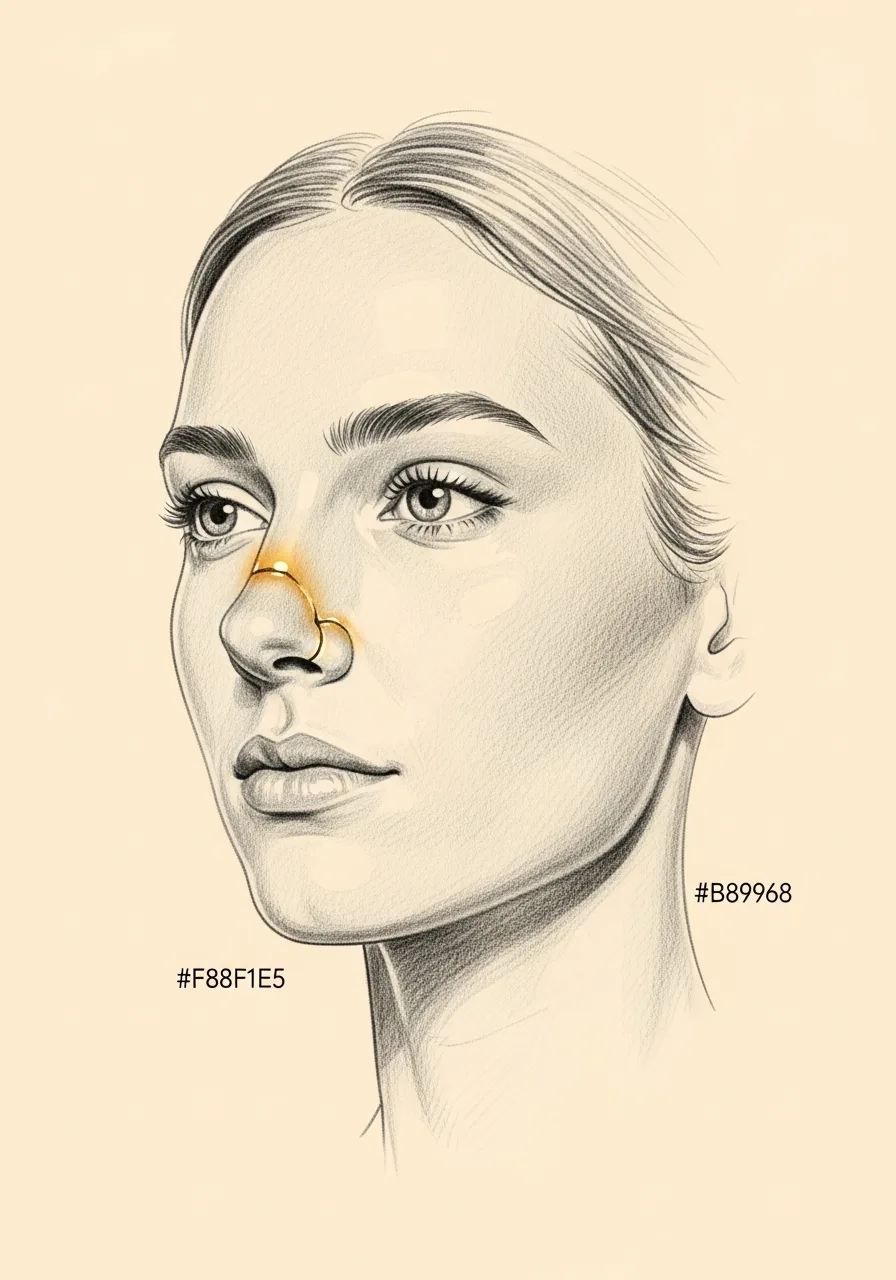
"The most common question after a nasal injury is whether to wait. The honest answer is to be evaluated quickly — then to decide carefully."

A Note from Dr. Mourad
"Nasal fractures are the most common facial fracture. Most are reducible if evaluated in time; understanding the fracture pattern and the internal anatomy in the first two weeks gives the best chance of a definitive single operation."
— Dr. Moustafa Mourad, MD
Overview
What is a broken nose (nasal fracture)?
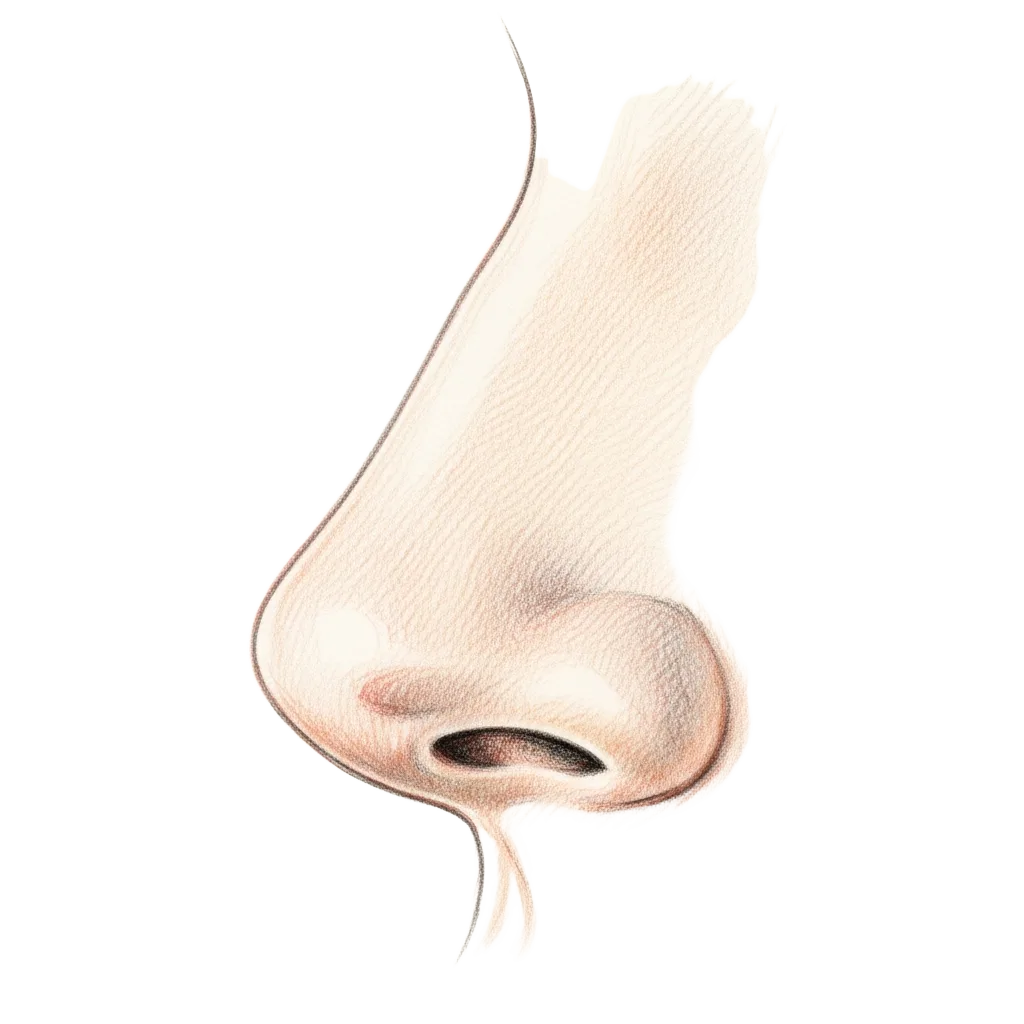
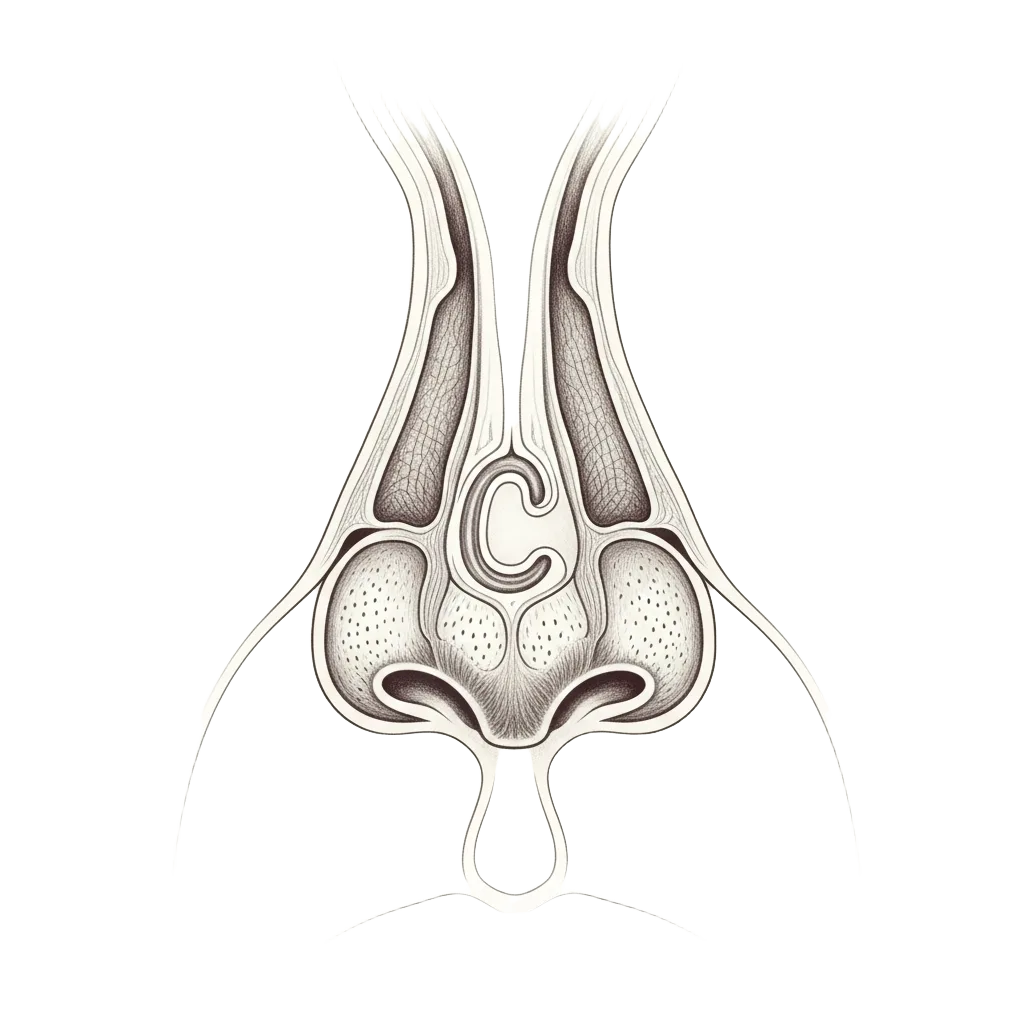
A broken nose is a fracture of one or more of the bones or cartilages that form the nasal pyramid — typically the paired nasal bones, the frontal process of the maxilla, and/or the cartilaginous septum. It is the most common facial fracture and usually follows a direct blow during sport, a fall, an assault, or a motor-vehicle collision.
Acutely, a fractured nose may cause visible deformity, swelling, bruising, nasal obstruction, and bleeding. The deformity may be obvious immediately or may be hidden by swelling for several days, which is one reason early evaluation matters even when the nose looks only bruised.
Some fractures also injure the septum and create a septal hematoma — a collection of blood between the cartilage and its lining that requires urgent drainage to avoid cartilage loss. An internal examination is the only reliable way to find it.
What happens next depends on three things: whether the bones have shifted, whether there is a functional breathing problem, and how soon after the injury the nose is examined. Many fractures are diagnosed clinically, and imaging is reserved for cases with suspected additional facial injury.
Key takeaways
- A broken nose is the most common facial fracture and often follows sport, a fall, or a direct blow.
- Seek prompt care for heavy bleeding, a soft bulging septum, vision changes, facial numbness, or clear nasal drainage.
- A septal hematoma is a blood collection in the septum that needs urgent drainage to protect the cartilage.
- Many displaced fractures can be realigned by closed reduction when treated within roughly the first two weeks.
- Breathing problems that appear later can still be addressed with septoplasty or septorhinoplasty.
An Established Academic Authority
Double board certification. Fellowship director. Published author. A surgeon's surgeon.
ABFPRS
Board Certified
American Board of Facial Plastic & Reconstructive Surgery
ABOto
Board Certified
American Board of Otolaryngology — Head & Neck Surgery
AAFPRS
Fellowship Director
American Academy of Facial Plastic and Reconstructive Surgery
Textbook
Published Author
Contributions to the academic literature of facial plastic surgery
Dual board certification in both Facial Plastic & Reconstructive Surgery and Otolaryngology — Head & Neck Surgery.
Castle Connolly Top Doctor — Plastic Surgery, 202602 · Symptoms
How a nasal fracture typically presents.
Three patterns are most common after nasal trauma. Patients often recognize themselves in one or more of these.
I
Visible Deformity
A clear change in the shape of the nose after injury — a deviation, a depression, or a widening of the bridge.
II
Persistent Obstruction
One- or two-sided difficulty breathing after the injury that does not resolve as swelling subsides.
III
Bruising & Pain
Periorbital bruising, tenderness over the nasal bones, and crepitus on gentle examination.
Recovery Timeline
What to do in the first two weeks after a broken nose.
First 24–48 hours: apply ice, keep the head elevated, avoid blowing the nose, and watch for a soft, bulging swelling inside the nose that could signal a septal hematoma.
Days 3–5: as the initial swelling settles, an in-office examination becomes more informative about the underlying fracture pattern and the position of the septum.
Days 5–14: in selected patients, closed reduction — realigning the nasal bones without external incisions — may still be possible during this window.
After two weeks: the bones begin to set, so a healed deformity or obstruction is more often addressed with later, planned reconstruction rather than acute manipulation.
After three to six months: a settled, post-traumatic deformity or breathing problem can be corrected with septoplasty or septorhinoplasty once healing is complete.
Early evaluation matters even when reduction is not performed immediately — sometimes swelling needs a few days to settle first. The point is to be seen promptly, not to wait at home.
03 · Diagnosis
How Dr. Mourad evaluates a broken nose after trauma.
The history focuses on the injury itself: when and how it happened, any nosebleed, whether the deformity appeared immediately or emerged as swelling settled, any prior nasal fracture or surgery, and any new difficulty breathing.
The external examination palpates for a step-off, crepitus, and instability of the nasal bones. An internal examination then looks specifically for a septal hematoma, a septal fracture or deviation, nasal valve compromise, and any skin lacerations.
A focused red-flag screen checks for orbital symptoms, a change in how the teeth meet, facial numbness, and clear fluid draining from the nose — findings that can indicate injury beyond the nasal bones.
Isolated nasal fractures are usually diagnosed clinically, and plain X-rays rarely change management. A CT scan is reserved for concern about orbital, maxillary, frontal, zygomatic, or other complex facial injury, or to plan a more involved reconstruction.
04 · Treatment Options
Treatments matched to the injury.
Treatment is individual — from watchful observation of a non-displaced fracture, to urgent drainage of a septal hematoma, to closed reduction, to definitive structural repair.
01 · Why Dr. Mourad
Diagnosis first, treatment second.
Dr. Moustafa Mourad is double board-certified in Facial Plastic & Reconstructive Surgery and in Otolaryngology — Head & Neck Surgery, a combination suited to nasal trauma, which sits at the intersection of facial fractures, the nasal airway, and rhinoplasty.
Every evaluation begins with a careful history and examination — including an internal exam to rule out a septal hematoma — before any treatment plan is discussed.
When a fracture is non-displaced and breathing is normal, observation may be all that is needed. Surgery is recommended only when the anatomy and symptoms call for it.
When to Seek Care
Seek urgent care now if any of these are present.
Uncontrolled bleeding, severe or increasing pain, or rapidly worsening nasal obstruction after the injury.
A soft, bulging swelling inside the nose — a possible septal hematoma — which needs urgent drainage.
Vision changes, facial numbness, or a change in how the teeth meet, which can signal injury beyond the nose.
Clear fluid draining from the nose, loss of consciousness, or any major or high-energy trauma — go to the emergency department.
Treatment Timing
Closed reduction now, or reconstruction later.
Closed reduction realigns recently broken nasal bones without external incisions, often under local or general anesthesia, and is typically followed by a short period with a splint.
It can improve the alignment of the nasal bones, but it cannot always correct every septal problem or a complex break, and some patients later choose a more definitive repair.
When a nose has already healed crooked or obstructed, the options include septoplasty, nasal valve repair, osteotomies, cartilage grafting, and septorhinoplasty — often planned several months after the injury, once the tissues have settled.

The Complication That Cannot Wait
Septal hematoma: why it is urgent.
A septal hematoma is a collection of blood between the septal cartilage and its lining, sometimes felt as a soft, bulging swelling inside the nose after an injury.
Because the cartilage depends on that lining for its blood supply, an untreated hematoma can lead to cartilage loss, infection, and — over time — a saddle (collapsed) bridge, so it is drained promptly when it is found.
Frequently Asked
Patient questions, honestly answered.
Common signs include new crookedness, persistent one‑sided nasal blockage, bruising, and a palpable step or instability along the bony bridge. Some patients notice crepitus or an audible crunch with gentle palpation. Early swelling can obscure deformity for 48–72 hours, so reassessment after initial edema subsides is important. A focused clinical exam, including intranasal inspection, determines whether further treatment or imaging is needed.
Urgent evaluation is required for expanding nasal pain, rapidly worsening obstruction, uncontrolled bleeding, visible open wounds, or suspected complex facial fractures. Any concern for a septal hematoma—visible bulging of the septum with increasing pain—constitutes an emergency because it can damage cartilage. The emergency department can stabilize acute bleeding and screen for other injuries, but a facial plastic surgeon should be involved promptly when the septum or nasal framework is compromised. Timely specialist input matters because some procedures have narrow windows for best effect.
Clinical references
This page draws on published clinical practice guidelines and public-health references. These sources inform general patient education and do not replace an individual evaluation with Dr. Mourad.
- 01American Academy of Otolaryngology–Head and Neck Surgery Foundation (ENT Health). Nasal Fractures — patient information. AAO-HNSF / ENT Health
- 02Kucik CJ, Clenney T, Phelan J. Management of acute nasal fractures. StatPearls — Nasal Fracture. StatPearls Publishing (NCBI Bookshelf). StatPearls (NCBI)
- 03Nasal Fracture Reduction. StatPearls. StatPearls Publishing (NCBI Bookshelf) — closed reduction technique and timing. StatPearls (NCBI)
- 04AO Foundation Surgery Reference. Craniomaxillofacial trauma — midface and nasal skeleton: examination, classification, and management. AO Surgery Reference
- 05U.S. National Library of Medicine, MedlinePlus Medical Encyclopedia. Broken nose — overview and first aid. MedlinePlus
Continue Reading
Related care & resources
The broken-nose condition explained here connects to the procedures that repair it and to the related nasal conditions and resources below.
Understanding broken nose treatment
The procedure page: closed reduction and definitive repair after a nasal fracture.
Read moreSeptoplasty
Correcting a deviated or fractured septum that blocks breathing.
Read moreSeptorhinoplasty
Addressing function and form together in one planned operation.
Read moreRhinoplasty
Reshaping the nose, including after trauma has changed its appearance.
Read moreRevision Rhinoplasty
Surgery to improve the result of a previous nasal operation.
Read moreNasal Valve Collapse Treatment
Repairing the narrow valve area that trauma can weaken.
Read moreDeviated Septum
The condition behind many post-traumatic breathing problems.
Read moreNasal Valve Collapse
How a weakened nasal sidewall causes obstruction.
Read moreBefore & After Gallery
Representative results, shown with patient consent.
Read morePatient Reviews
What patients say about their care with Dr. Mourad.
Read moreContact & Appointments
Request a prompt evaluation after a nasal injury.
Read moreThe Most Important Step
Get an expert evaluation.
A careful evaluation by a double board-certified physician is the right first step after a nasal injury. The conversation is unhurried, the diagnosis is honest, and treatment is matched to what you actually have.