Nose · Editorial Journal
Why Some Rhinoplasties Look Natural and Others Look Operated
The difference between a natural result and an operated one is rarely about size. It is about proportion, preserved support, function, and how the nose heals over the months after surgery.
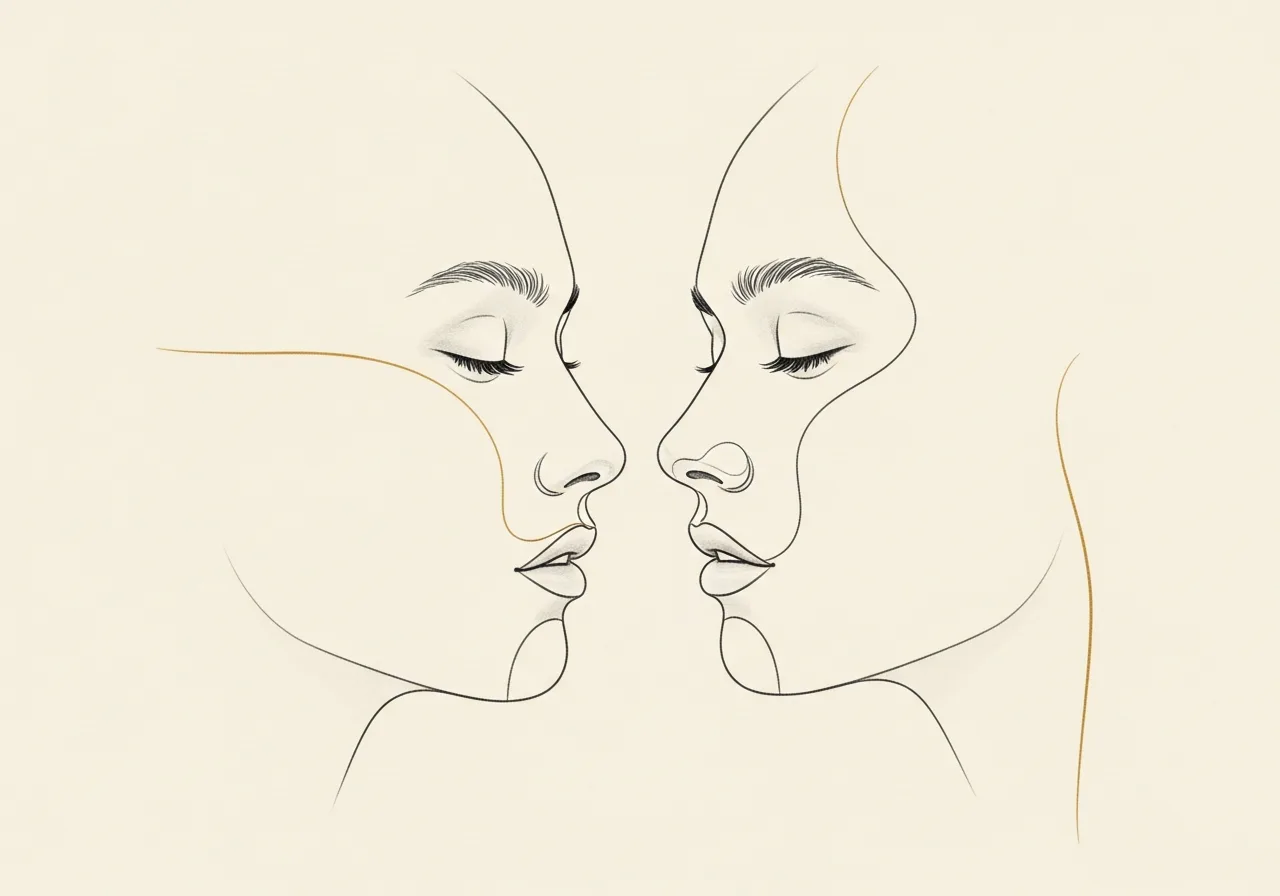
Why do some noses look untouched after surgery while others announce that work was done? The answer has less to do with how much was removed and more to do with natural rhinoplasty planning — the proportion, support, and function the surgeon protects along the way.
Natural results come from proportion
A natural rhinoplasty does not erase identity. It improves the relationship between the bridge, the tip, the nostrils, and the rest of the face. When those proportions are harmonious, the eye reads the face as a whole rather than fixing on the nose. That is usually what patients mean when they say they want to look like themselves.
Over-reduction creates the operated look
The hallmarks of an operated nose are familiar: pinched tips, scooped bridges, excessive nostril show, and collapsed sidewalls. These tend to come from taking away too much without rebuilding support. Once cartilage is over-resected, the soft tissue has nothing to drape over, and the result can look surgical from certain angles.
Function is part of a natural result
A nose that looks narrow but cannot breathe well is not a successful result. Preserving the septum, the nasal valves, and structural support is what keeps a refined nose working as an airway. Appearance and breathing are planned together, not traded against each other.
Healing is part of the result
Skin thickness, swelling, and scar tissue all influence how the final shape appears. Thicker skin holds swelling longer and softens definition; thinner skin reveals the framework sooner. Understanding how your nose will heal is part of setting realistic expectations for what natural will look like for you.
Continue Reading