Double Board Certified · First-Time Rhinoplasty
First-Time (Primary) Rhinoplasty — Getting It Right the First Time
Your first rhinoplasty is your best chance at a natural, lasting result. Why it matters most, how to lower revision odds, and what to ask.
ABFPRS
Facial Plastic & Reconstructive Surgery
ABOto
Otolaryngology — Head & Neck Surgery
AAFPRS
Fellowship Director
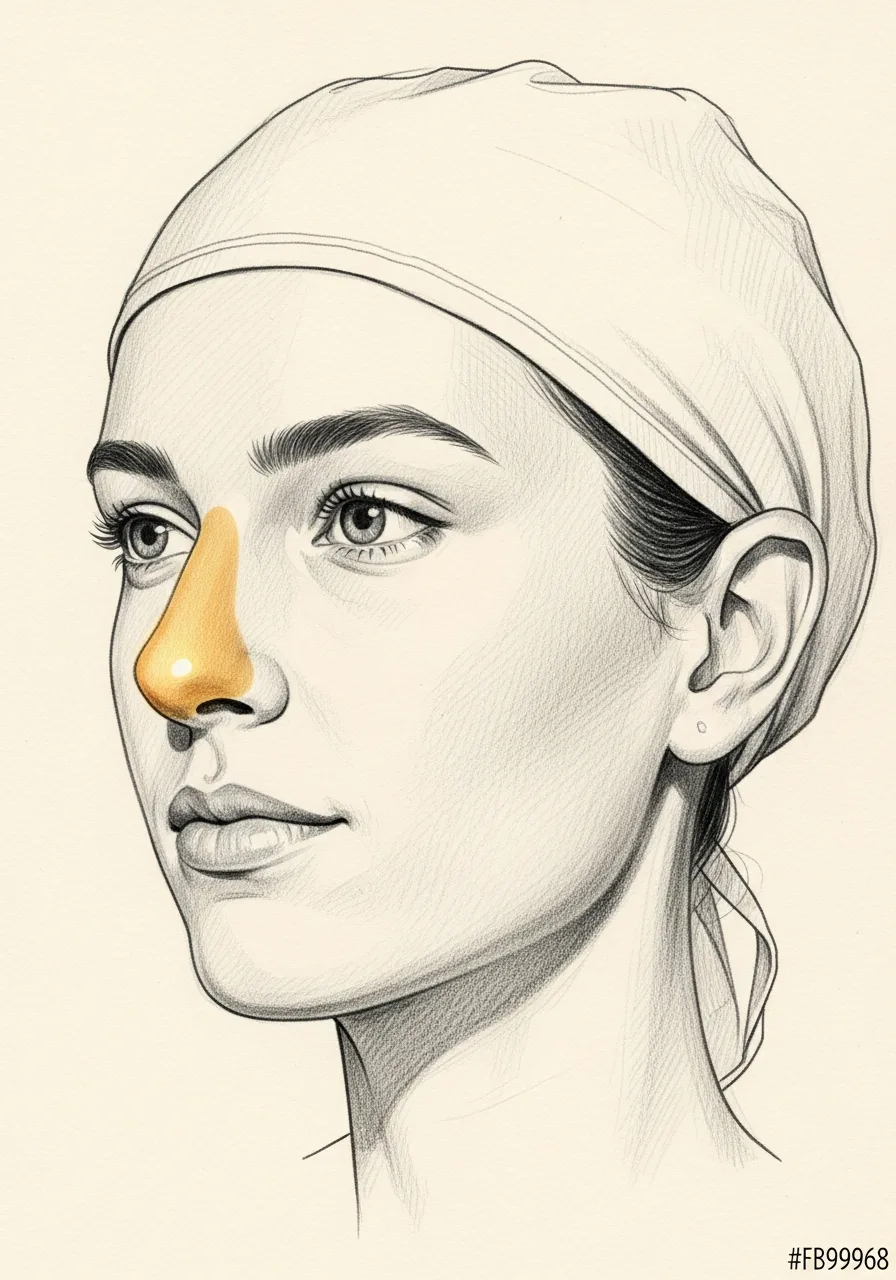
In Consultation
"The first operation offers the clearest opportunity to work with native cartilage and unscarred tissue. That is why the plan should be deliberate, structurally sound, and no more aggressive than the patient's anatomy and goals require."
Before & After
Primary Rhinoplasty Before and After Photos
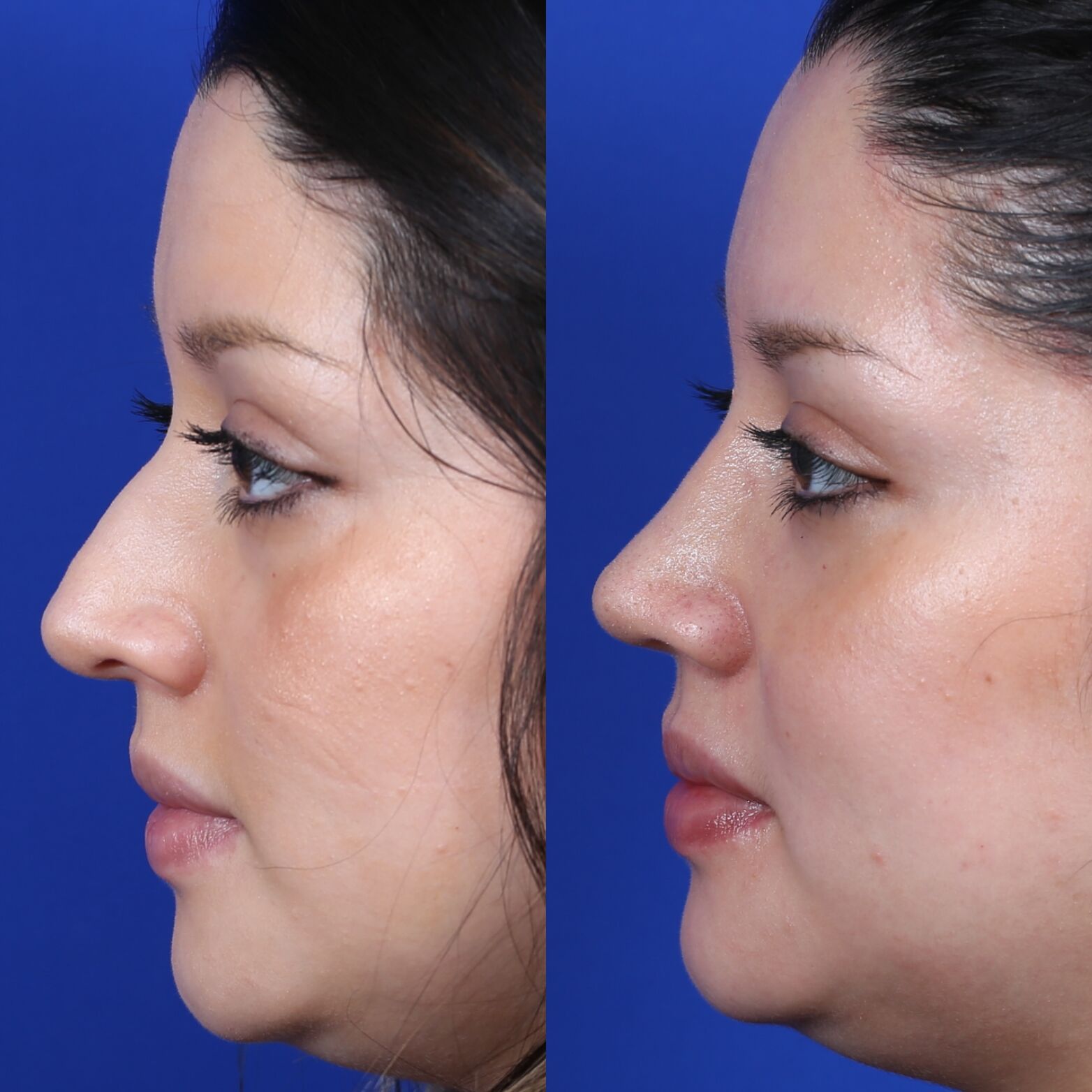
Rhinoplasty · 20s · Female
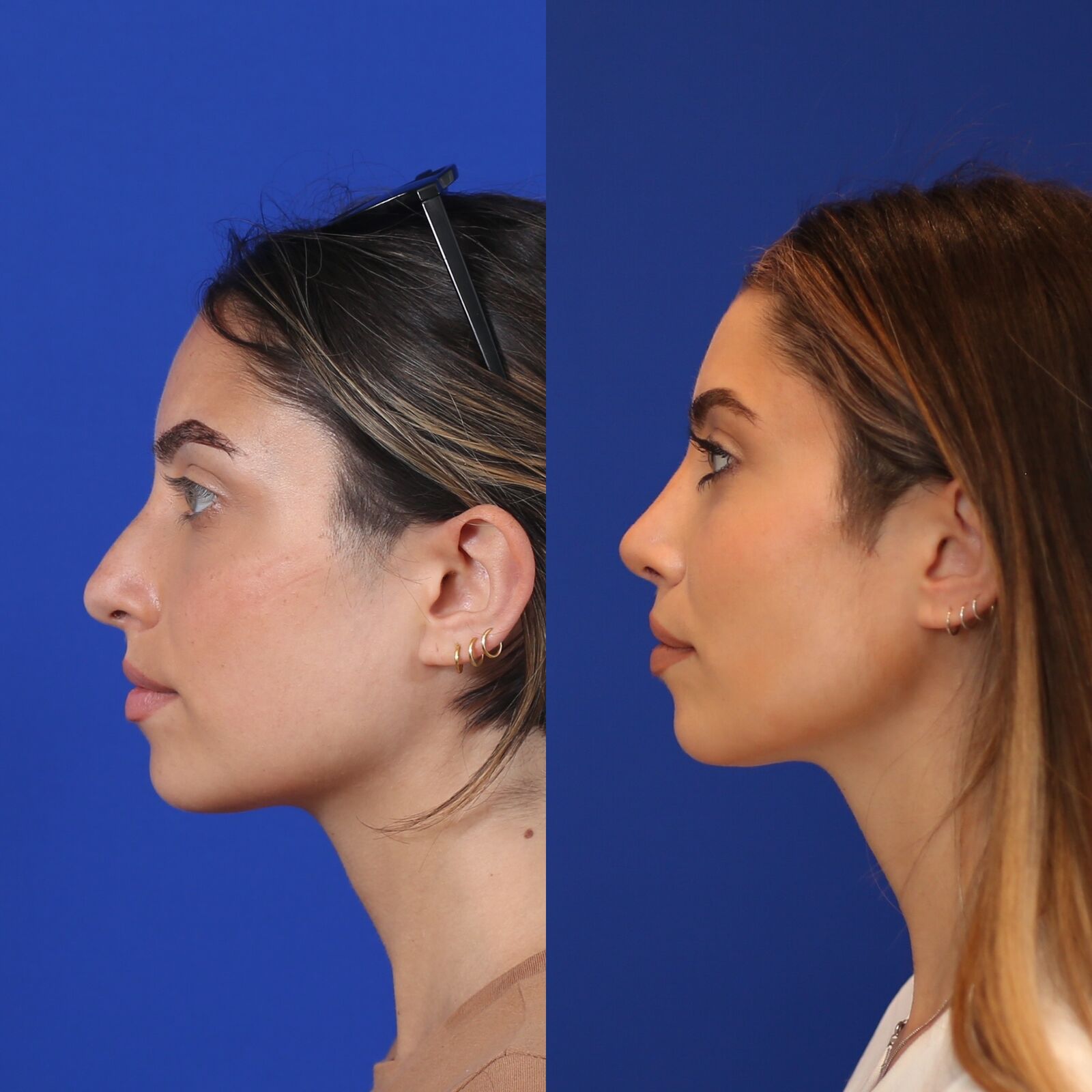
Rhinoplasty · 20s · Female
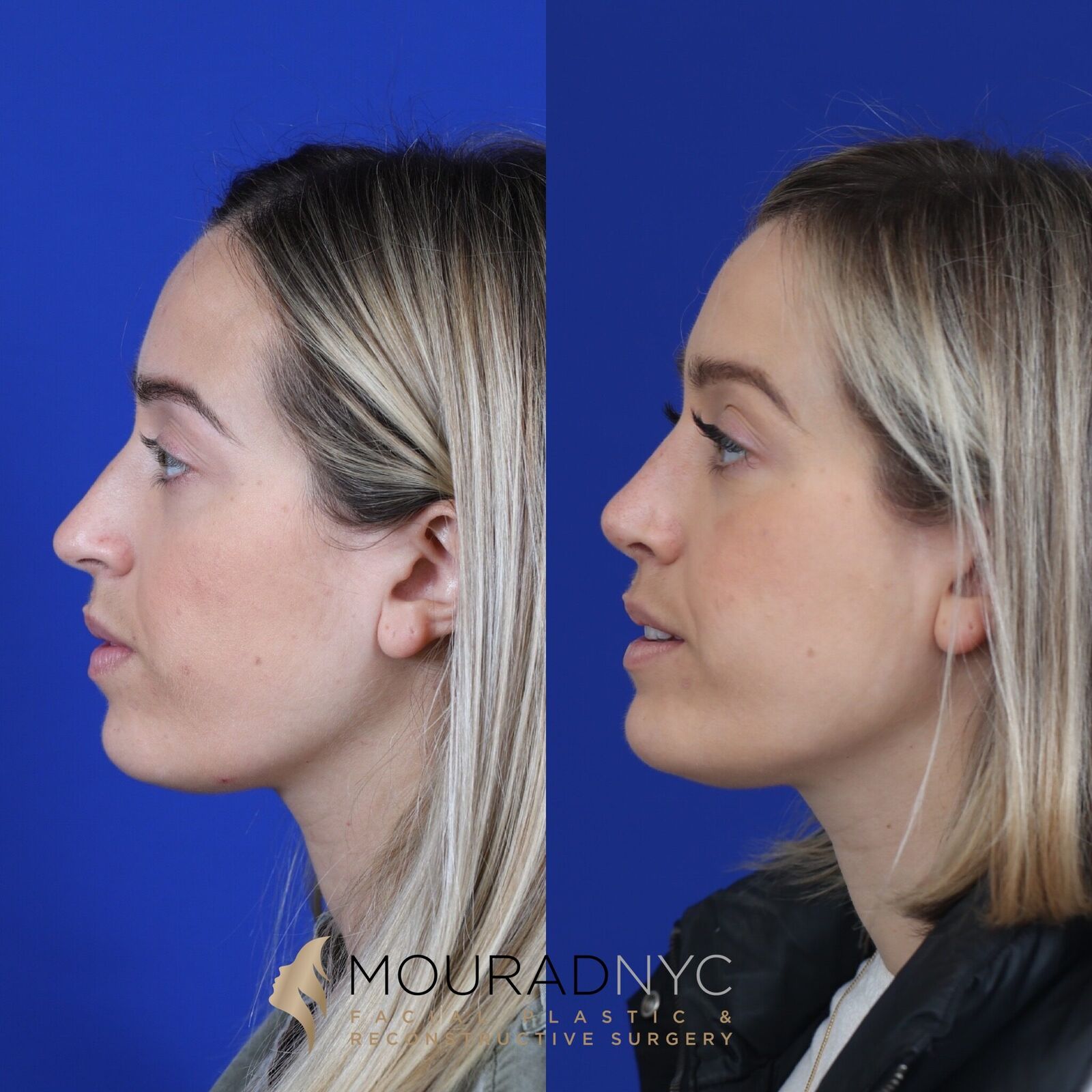
Rhinoplasty · 30s · Female
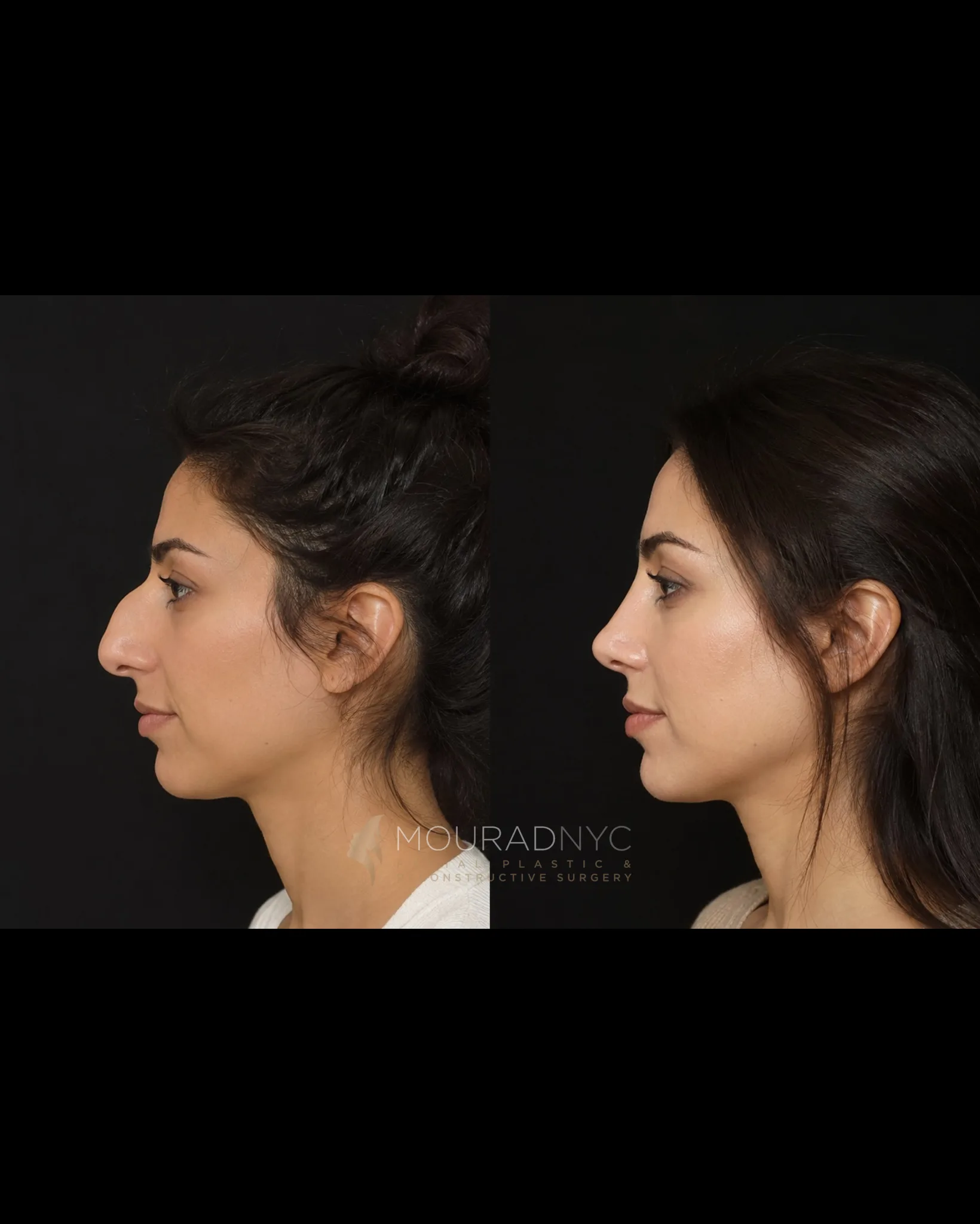
Rhinoplasty · 20s · Female
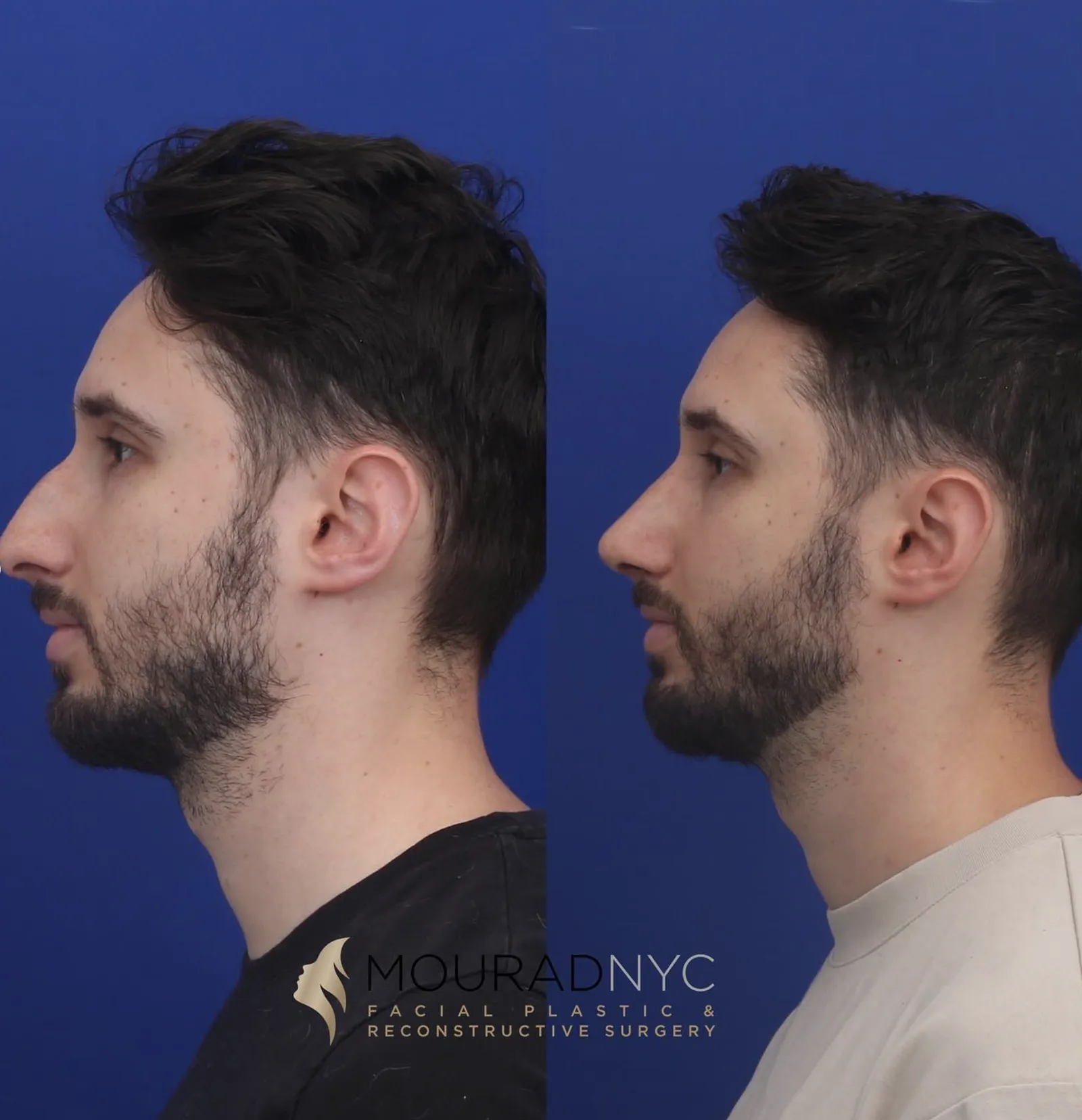
Rhinoplasty · 20s · Male
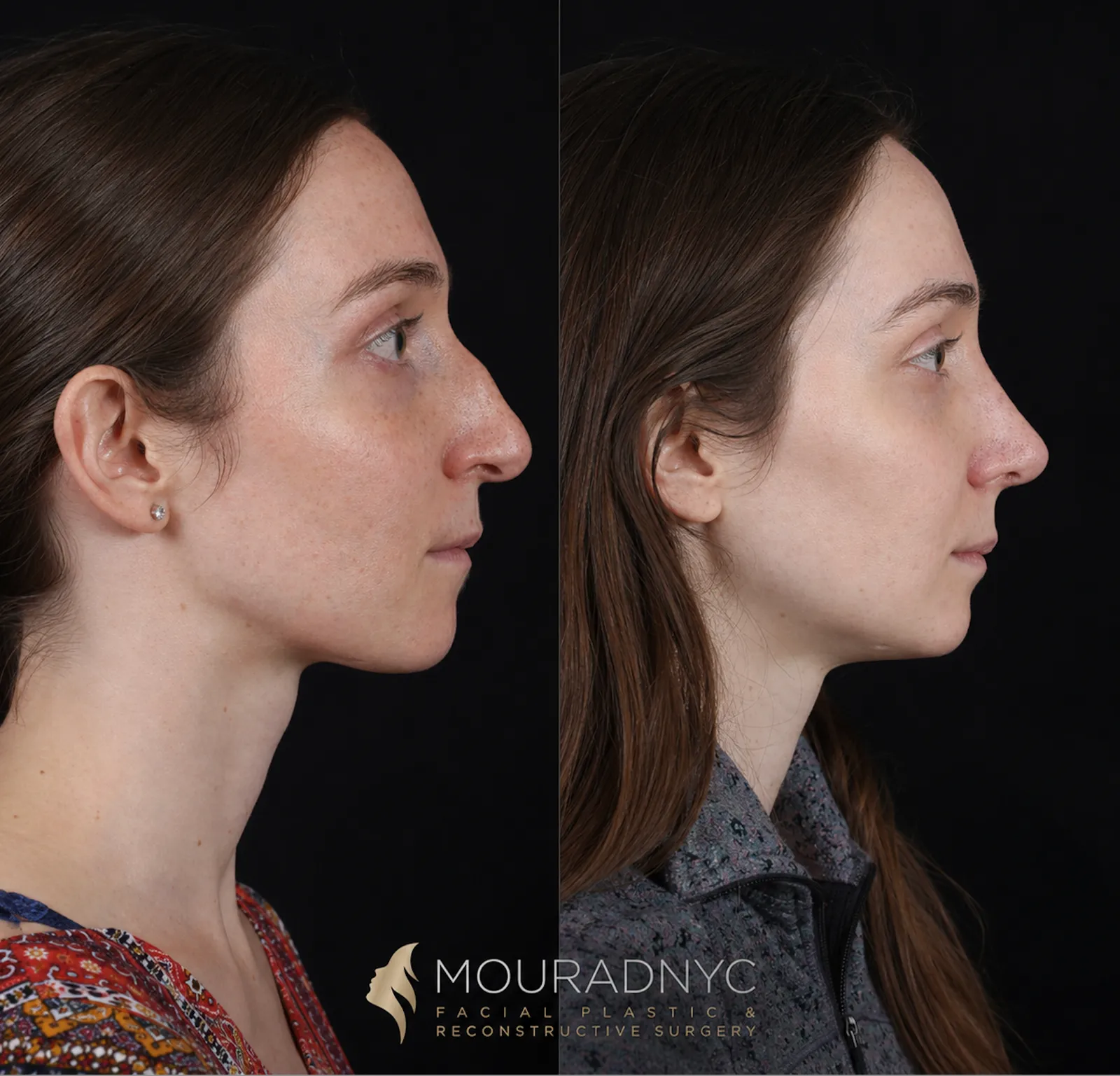
Rhinoplasty + Broken Nose Repair · 20s · Female
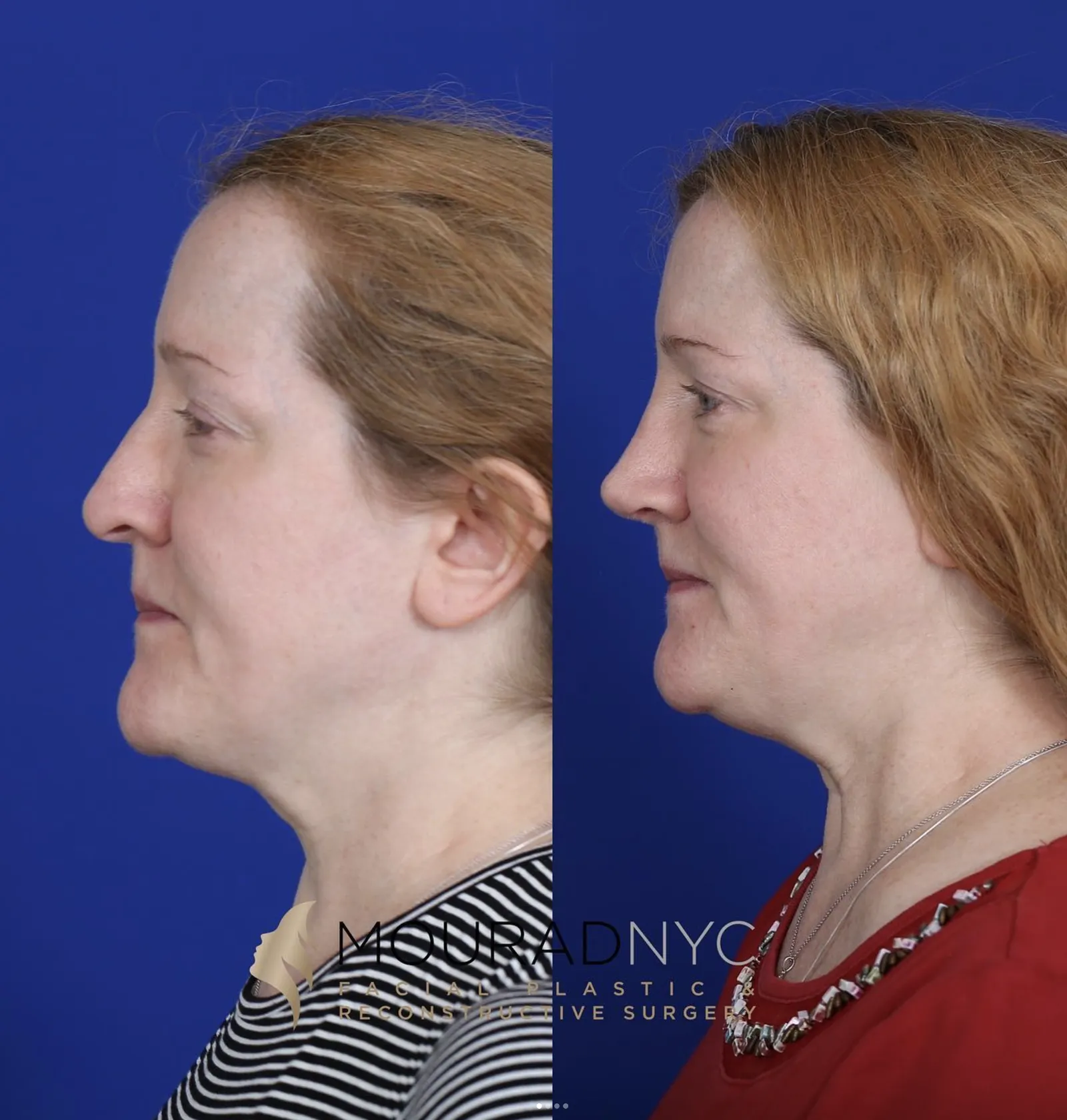
Rhinoplasty · 40s · Female
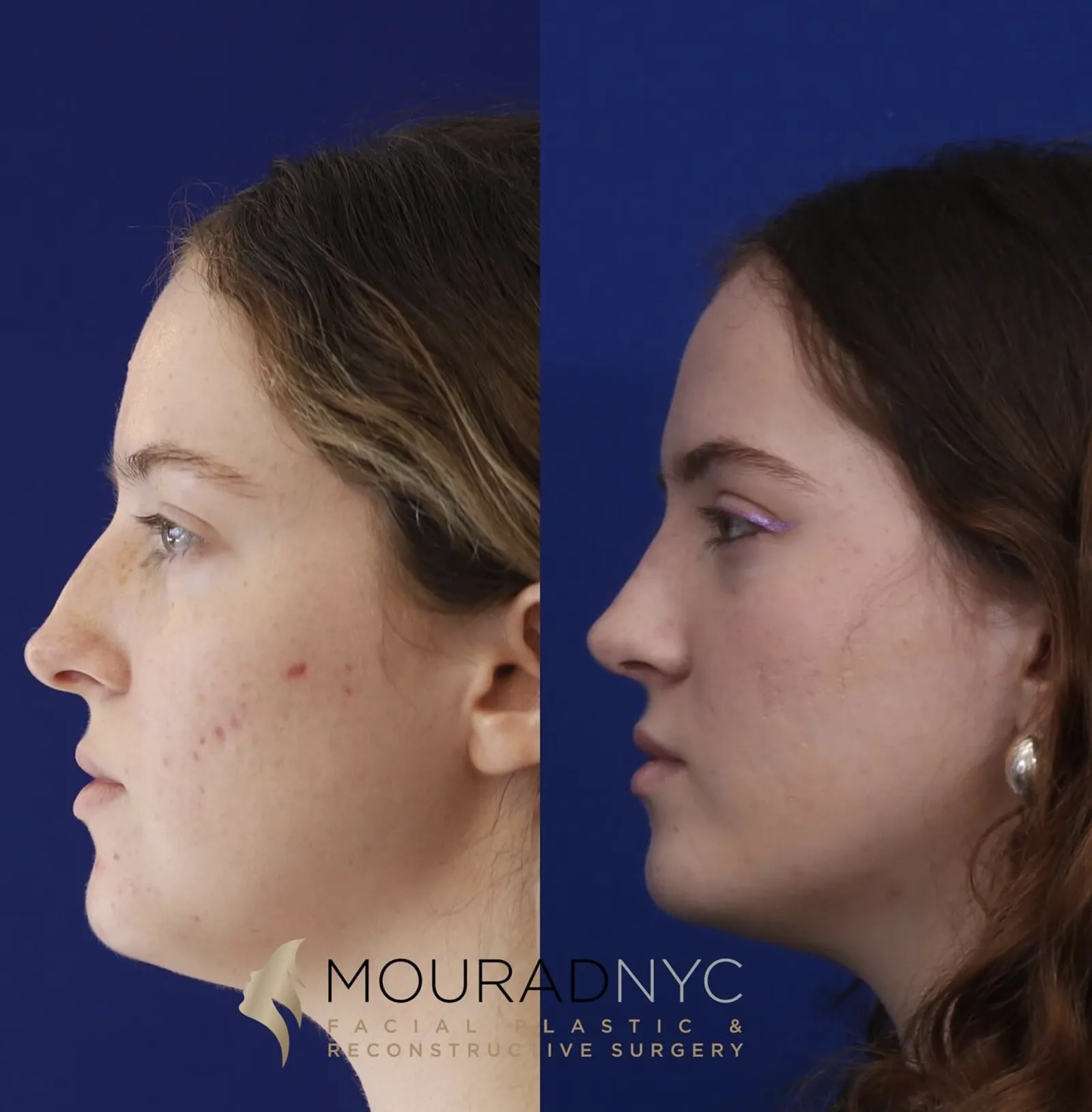
Rhinoplasty · 20s · Female
Pre and post-operative comparison · Photographed in standardized studio conditions · Written consent on file · Individual results vary

A Note from Dr. Mourad
"A primary rhinoplasty is a once-in-a-lifetime opportunity. Done with restraint and structural integrity, it tends to age beautifully. Done aggressively, it sets up a lifetime of revisions. The first operation is, by far, the most important one."
— Dr. Moustafa Mourad, MD
Medically reviewed by Moustafa Mourad, MD, FACS — dual board-certified in Facial Plastic & Reconstructive Surgery and Otolaryngology–Head & Neck Surgery; Clinical Assistant Professor of Otolaryngology at New York Medical College; AAFPRS Fellowship Director. The medical review identifies the anatomy, evidence, limits, and questions patients should understand before choosing a procedure.
Last reviewed: June 2026
Is this the right page for you?
- You have never had nasal surgery and are considering it for the first time.
- You want to refine the bridge, tip, or profile, improve breathing, or both.
- You are looking for a natural result that suits your face rather than a generic, over-done nose.
You may be looking for
- If you have already had rhinoplasty and want it corrected, see revision rhinoplasty.
- If your only concern is breathing through a deviated septum, see septoplasty.
Key takeaways
- Primary rhinoplasty is a first-time nose operation that can refine shape, improve breathing, or both.
- The first operation matters most, while the cartilage, bone, and skin are at their healthiest.
- A rhinoplasty refines your own nose; it does not give you someone else's nose.
- Preservation lowers the bridge as one unit; structural rhinoplasty rebuilds with cartilage grafts and sutures.
- Aesthetic and breathing goals are planned together rather than as separate operations.
Overview
What is primary rhinoplasty?
Published experience reports a revision range of approximately 5–15% for primary rhinoplasty, depending on how revision is defined and the patient population. This is an educational range, not a personal MouradNYC rate; a personal percentage should not be published without calculating it directly from the practice operative database.
This page focuses specifically on first-time rhinoplasty. For the full MouradNYC overview of cosmetic, functional, preservation, and revision nose surgery, visit the rhinoplasty in NYC overview. Younger patients and their families can also review teenage and young adult rhinoplasty considerations.
Primary rhinoplasty is a first-time surgical procedure on the nose, performed to refine its shape and/or improve breathing. Through carefully planned incisions — most often a small bridging incision on the columella plus internal incisions — the underlying bone and cartilage are reshaped, and the soft-tissue envelope is allowed to redrape over the new framework. The choice is informed by the anatomy discussed in open vs. closed rhinoplasty and preservation vs. structural rhinoplasty.
It is considered when a patient has a dorsal hump, a wide or off-center bridge, a bulbous, droopy, or asymmetric tip, an over- or under-projected nose, breathing difficulty from a deviated septum or narrow nasal valves, or any combination of these. Aesthetic and functional goals are addressed together rather than as separate operations.
A first-time rhinoplasty is the most important rhinoplasty a patient will ever have. The native cartilage, bone, and soft tissue are at their healthiest; the right plan, executed once, avoids the long path of revision surgery.

BEST of MANHATTAN
2026
Modern Luxury Best of Manhattan 2026
First-time rhinoplasty with recognized rhinoplasty expertise
Modern Luxury named Dr. Moustafa Mourad of MouradNYC "Best Rhinoplasty" in its Best of Manhattan 2026 medical category. On this page the recognition supports — not replaces — the first-time surgery message: careful planning, preservation of support, and realistic long-term results.
Third-party recognition is not a guarantee of outcome. Every rhinoplasty plan is individualized.
Meet Dr. Mourad
A first-time rhinoplasty surgeon who plans for the nose you will have years from now.
A first-time rhinoplasty is an important opportunity to create a durable, natural result because the cartilage, septum, bone, and skin have not yet been changed by prior surgery. Dr. Moustafa Mourad approaches primary rhinoplasty in NYC with that responsibility in mind. He is dual board-certified in Facial Plastic and Reconstructive Surgery and Otolaryngology–Head and Neck Surgery, and his practice is built around the overlap between appearance, breathing, and long-term nasal support.
For primary rhinoplasty patients, his planning is intentionally conservative where it should be and structural where it must be. He evaluates the bridge, tip, skin thickness, septum, nasal valves, facial proportions, and breathing symptoms before deciding whether preservation, structural, or hybrid techniques are safest for the patient’s anatomy.
His philosophy is that the first operation should reduce the chance of a second one. That means avoiding over-resection, protecting the internal and external nasal valves, preserving useful cartilage, reinforcing weak areas when necessary, and setting expectations that match the patient’s skin and healing biology. A primary rhinoplasty should refine the patient’s own nose in a way that still feels natural in motion, in photographs, and with time.
- Dual board-certified facial plastic surgeon and otolaryngologist
- Practice focused on facial plastic, reconstructive, and nasal airway surgery
- Focused on preventing over-resection and protecting long-term nasal support
- Educational consultations centered on anatomy, realistic goals, and breathing
Are You Ready
How to know if you are ready for first-time rhinoplasty
A patient may be ready for a first-time rhinoplasty when the concern has been consistent over time, the limitations of surgery are understood, and the desired change is anatomically realistic. Good candidates can usually identify what bothers them without needing the nose to become someone else's nose.
Common first-time concerns include a dorsal hump, wide bridge, bulbous or drooping tip, crooked nose, nostril asymmetry, under- or over-projection, or breathing obstruction. Some patients have always disliked a feature; others notice it more in photos or from certain angles. Some also have trauma, septal deviation, or valve collapse that makes breathing difficult.
Readiness is not only physical. It is also emotional. Healing takes time, swelling can persist for months, perfect symmetry is not possible, and digital morphing is a communication tool rather than a promise. A patient who wants subtle, balanced improvement is often a better candidate than one seeking a dramatic identity change.
Dr. Mourad may advise waiting if a patient is not physically mature, has unstable expectations, is actively using nicotine, has uncontrolled medical conditions, or is making the decision under external pressure. A first rhinoplasty is best chosen calmly, not rushed.
Why The First Operation Matters
Why the first operation protects future options
A first rhinoplasty is performed before scar tissue, prior grafts, or structural resection have altered the nose. That gives the surgeon a clearer view of the native framework and an opportunity to preserve useful septal cartilage, middle-vault support, tip support, and healthy soft tissue.
The goal is not to perform less surgery at all costs. It is to make only the changes justified by the anatomy and the patient's priorities while avoiding unnecessary reduction that could weaken the bridge, narrow the nasal valves, retract the nostril rim, or make future correction more difficult.
A careful first operation cannot guarantee that revision will never be needed. Healing, asymmetry, trauma, scar behavior, and changing goals remain variable. It can reduce avoidable structural problems by preserving support and planning the airway and external shape together.
How Planning Works
What should the first consultation decide?
A useful first-time rhinoplasty consultation should answer five questions before a technique is selected. Photography and examination help connect the patient's priorities to anatomy, while digital morphing may clarify direction without promising an exact result.
- —What is the patient's priority? Clarify the bridge, tip, nostrils, projection, asymmetry, trauma, breathing, or facial-balance concern that matters most.
- —Is the airway part of the problem? Examine the septum, turbinates, internal and external nasal valves, sidewalls, and any history of injury or obstruction.
- —What should be preserved? Identify stable cartilage, identity-defining features, dorsal height, tip character, and facial proportions that should remain intact.
- —Which approach fits the anatomy? Choose open, endonasal, preservation, structural, or hybrid planning based on the work required — not on trend or incision preference alone.
- —What result is realistic? Match the plan to skin thickness, cartilage strength, asymmetry, healing behavior, and the patient's tolerance for recovery and uncertainty.
Primary vs Revision
What makes the first operation different from revision
In primary rhinoplasty the tissue planes are usually cleaner, the cartilage and septum are more available, there is less scar tissue, and the skin envelope is more predictable. The operation can be planned without first having to undo prior structural changes.
That is different from revision rhinoplasty after prior nasal surgery, where patients may have depleted septal cartilage, scar tissue, weak tip support, middle-vault collapse, nostril retraction, or breathing problems caused by an earlier operation — situations that may call for ear or rib cartilage and more complex reconstruction.
The purpose of a first operation is not only to improve the nose now, but also to avoid creating the very problems a revision surgeon would later have to repair. That means preserving support, respecting the nasal valves, avoiding excessive cartilage removal, and setting realistic goals. A first-time result that is too aggressive may look impressive early but age poorly.
Protecting The Future
Why over-resection creates future problems
Many revision problems begin with over-resection. When too much cartilage or bone is removed, the nose can lose structural support. Early swelling can hide this; months or years later a patient may develop pinching, collapse, asymmetry, airway obstruction, or contour irregularities.
Over-resection affects different areas. Removing too much dorsal support can create a scooped profile or saddle deformity. Removing too much middle-vault support can narrow the internal nasal valve and create an inverted-V deformity. Weakening the lower lateral cartilages can create a pinched tip or external valve collapse. Excessive narrowing may create a nose that photographs smaller but does not breathe well.
Dr. Mourad's philosophy is to refine without weakening. That may mean preserving the dorsal structure when appropriate — for example with preservation rhinoplasty — reinforcing the nasal valves, using grafts when needed, and choosing conservative tip maneuvers rather than destructive reduction. The most conservative operation is not always the smallest one; sometimes support must be added so the nose stays both refined and stable.
Structure & Breathing
How Dr. Mourad protects cartilage and airway support
The airway is evaluated before cosmetic decisions are finalized. Dr. Mourad assesses the septum, turbinates, nasal valves, sidewalls, lower and upper lateral cartilages, skin thickness, and any history of trauma or obstruction. When breathing symptoms are present, the plan may add septoplasty for breathing concerns, spreader grafts, batten grafts, or turbinate reduction.
Cartilage is treated as a structural resource. In a first-time operation septal cartilage may be available for grafting, but it should not be wasted. Grafts can support the tip, maintain projection, open the internal valve, reinforce the sidewall, or create smooth contours — not to make the nose stiff, but to preserve long-term shape and function.
A first-time operation should anticipate healing. Cartilage can bend, scar tissue can contract, swelling can distort early appearance, and skin thickness can soften definition. Planning accounts for what the nose will look like after healing, not only what can be created on the operating table.
Graft Planning
Will I need cartilage grafts in a first rhinoplasty?
Not every primary rhinoplasty needs grafting, but grafts may be used to protect or create support rather than simply add volume. Septal cartilage, when available and appropriate, can support the middle vault, tip, nostril rim, or nasal valves. The decision depends on what is being changed and whether the existing framework will remain stable after that change.
A small spreader graft may help maintain the internal nasal valve after dorsal work, while a tip-support or alar graft may reinforce an area that would otherwise weaken during reshaping. These are structural decisions, not interchangeable additions: the amount, shape, and placement of cartilage are selected for the specific mechanical need.
Ear or rib cartilage is uncommon in routine first-time cases but may be considered when trauma, congenital anatomy, major augmentation, severe deviation, or limited septal cartilage creates a larger structural requirement. No donor source is automatic before examination. The consultation should explain why a graft is proposed, what tissue is preferred, and what donor-site tradeoffs apply.
Common Concerns
What first-time patients usually worry about
First-time patients often worry about looking unlike themselves. They may fear a ski-slope profile, a pinched tip, nostrils that show too much, or a result that looks obviously operated. These concerns are valid and are discussed openly.
Patients also worry about breathing. Some already have obstruction; others fear that cosmetic narrowing could make breathing worse. The airway is evaluated before surgery, and functional maneuvers are explained when they may be needed.
Other common questions involve pain, bruising, swelling, splints, scars, anesthesia, return to work or school, how family will react, whether the nose will suit the face, and whether the result will still look natural years later. A consultation should leave room to ask these questions without feeling rushed.
Digital morphing can help clarify direction, but it is never a promise. It is a conversation tool; the surgical result depends on anatomy, cartilage, skin, swelling, and healing.
Skin Type
How skin thickness changes the plan
Skin thickness is one of the most important factors in a first-time rhinoplasty. Thin skin can reveal small irregularities, so the framework must be smooth. Thick skin can hide delicate definition, so the framework must be strong enough to create shape through the soft-tissue envelope.
Patients with thick skin may not achieve the same sharp tip definition seen in edited photos or in patients with thinner skin. Over-resecting cartilage in thick skin can make the nose weaker without making it more defined; structural support, careful shaping, and realistic expectations usually serve better.
Patients with thin skin may need more camouflage, precise cartilage shaping, and conservative handling to avoid visible edges. The plan is individualized.
Skin thickness also affects recovery. Thick skin may hold swelling longer, especially in the tip and supratip. That does not mean the operation failed; it means the final result takes longer to declare itself.
Teens & Young Adults
Teenage and young adult rhinoplasty considerations
Younger patients require special care. The nose and facial skeleton should be mature enough for surgery, and the patient should be emotionally ready to make a personal decision. Parents or guardians may be involved when appropriate, but the patient's own goals and understanding matter.
Teenage and young adult rhinoplasty should be conservative and structurally protective. The goal is not to chase a trend, filter, celebrity, or social-media image. A young face continues to mature, and the nose should be refined in a way that remains appropriate over time.
Dr. Mourad discusses timing, growth, school schedules, sports, social events, and recovery expectations, including restrictions on exercise, contact sports, glasses, sun exposure, and travel.
For younger patients with breathing issues, functional assessment is especially important. A deviated septum, valve collapse, or trauma-related obstruction may need to be addressed at the same time as aesthetic refinements.
Reducing Revision Risk
How to lower the chance of needing revision rhinoplasty
No surgeon can guarantee that revision will never be needed. Healing is biologic, and even a well-performed rhinoplasty can require refinement. The likelihood of revision can, however, be reduced by thoughtful planning.
The most important principles are conservative goals, structural support, airway evaluation, respect for skin thickness, avoiding over-resection, careful postoperative care, and realistic expectations.
Patients help by avoiding nicotine, following activity restrictions, protecting the nose from trauma, attending follow-up visits, using medications as directed, and allowing enough time for healing before judging the result.
Choosing the right operation matters more than choosing the most dramatic morph. For a broader overview of every approach, see the complete Rhinoplasty NYC guide.
An Established Academic Authority
Double board certification. Fellowship director. Published author. A surgeon's surgeon.
ABFPRS
Board Certified
American Board of Facial Plastic & Reconstructive Surgery
ABOto
Board Certified
American Board of Otolaryngology — Head & Neck Surgery
NYMC
Clinical Assistant Professor
Otolaryngology · Clinician Scholar Pathway
AAFPRS
Fellowship Director
American Academy of Facial Plastic and Reconstructive Surgery
Textbook
Published Author
Contributions to the academic literature of facial plastic surgery
Dual board certification in both Facial Plastic & Reconstructive Surgery and Otolaryngology — Head & Neck Surgery.
01 · Why Dr. Mourad
A surgeon trusted by surgeons for this operation.
The first 2–3 days generally bring the greatest swelling and possible bruising. Cast and internal splints, when used, are typically removed at about one week. Most patients are socially presentable and can return to office work in approximately 7–14 days. Light exercise gradually resumes around 2–3 weeks, with more strenuous exercise around 3–4 weeks depending on the operation. Tip and supratip swelling continue to refine for about one year, and thick skin or complex reconstruction may continue improving for 12–18 months or longer.
Dr. Moustafa Mourad is double board-certified by the American Board of Facial Plastic & Reconstructive Surgery and the American Board of Otolaryngology — Head & Neck Surgery, and serves as an AAFPRS Fellowship Director.
The practice concentrates on the operations of the face, nose, and sinuses — and on the patients other surgeons have found challenging.
02 · Ideal Candidates
Who benefits most from this operation.
Candidacy is determined together at consultation. The most satisfied patients share three things in common.
I
Specific Concerns
Patients who can articulate what bothers them — a dorsal hump, a wide tip, a deviation, a drooping appearance — rather than a vague wish to look different.
II
Realistic Expectations
A rhinoplasty refines an existing nose; it does not give a patient someone else's nose. The most satisfied patients want their own nose, better.
III
Mature Anatomy
Generally late adolescence onward, once facial growth is complete. Earlier intervention is occasionally appropriate but is decided case by case.
Before & After
Real results, real patients.
Every case is unique — tailored to individual anatomy and goals. Browse representative outcomes from the Manhattan practice.
If this describes you, the next step is a quiet, unhurried conversation — not a sales call.
An Honest Note
When this operation may not be right for you.
Body dysmorphic features around the nose are screened for at consultation and managed with appropriate referral when present.
Patients seeking to copy a specific celebrity nose are gently re-directed toward what their own anatomy can sustain.
Severe functional issues may need to be staged or combined with septoplasty as a septorhinoplasty.
Smokers and patients on certain medications need a planned optimization window before any nasal surgery.
03 · Approaches
The full range of options.
Primary rhinoplasty is not one operation. The right plan combines the technique that suits the patient's anatomy with the variation appropriate to their goals, heritage, sex, and stage of life.
1 of 6 · Preservation Approach
04 · Technique
Preservation vs structural rhinoplasty.
Modern primary rhinoplasty offers two well-established philosophies. The right approach for a given patient depends on the starting anatomy, the change required, and what will age best.
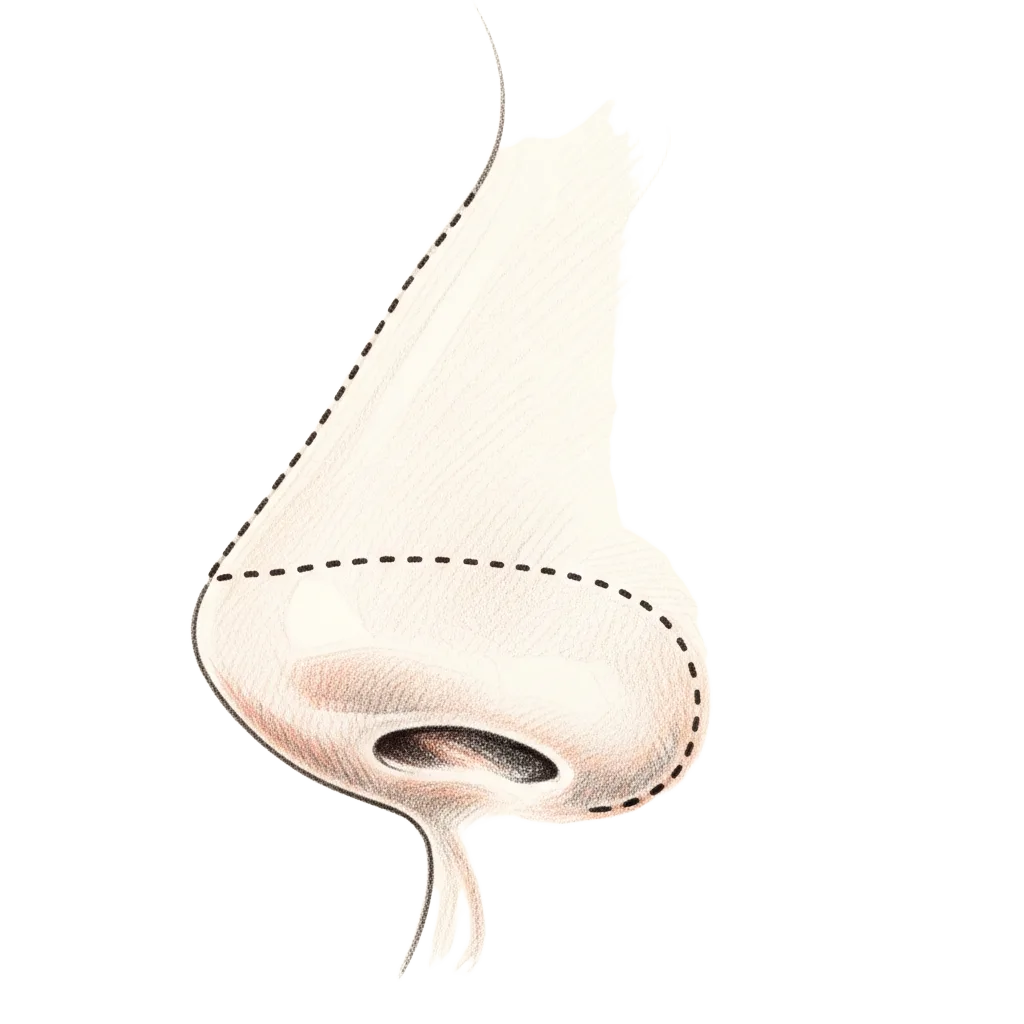
Preservation
Dorsal Preservation
The dorsal aesthetic lines are preserved as a single unit; the underlying bone and septum are reshaped from below. The natural surface anatomy of the dorsum is maintained.
Well-suited to the right primary anatomy — typically a smooth dorsum with a modest hump that can be lowered by reshaping the foundation rather than reducing the surface.
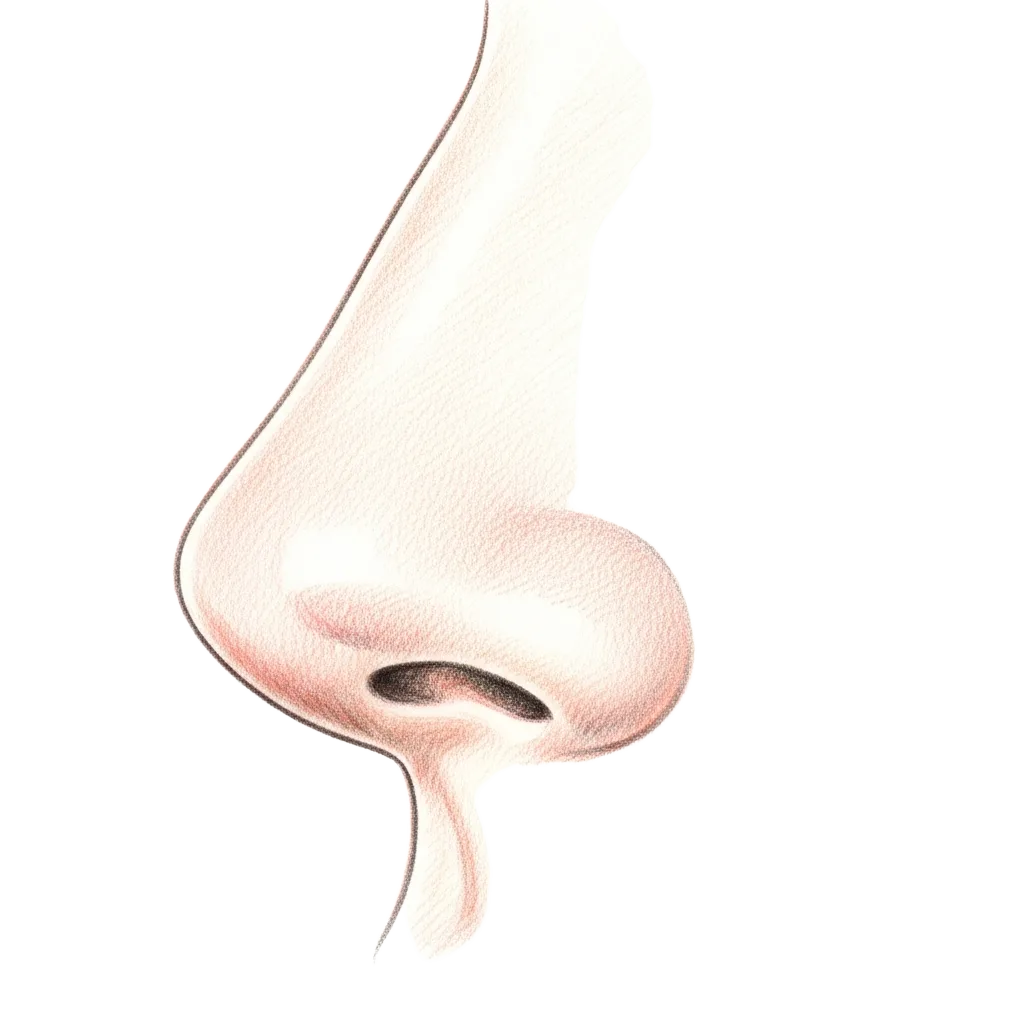
Structural
Cartilage Refinement
Cartilage grafts and suture techniques are used to refine, support, and reshape the tip and dorsum. The modern standard for the broadest range of anatomies.
Particularly well-suited to thicker skin, weaker cartilage, or any anatomy where the long-term shape requires structural support.
Both are part of a complete modern rhinoplasty practice. The right approach is determined together.
By Concern
Primary Rhinoplasty Decision Framework
How common first-time concerns are evaluated and the approaches typically considered. Every plan is individualized at consultation; this overview is educational, not predictive.
| Evaluation | Likely approach | Limitations | |
|---|---|---|---|
| Dorsal hump | Height, shape, dorsal lines, radix, septal support | Preservation, structural reduction, or hybrid approach | Not every hump is a preservation candidate |
| Bulbous tip | Cartilage shape, skin thickness, projection, rotation | Tip suture techniques, cartilage reshaping, structural support | Thick skin may limit sharp definition |
| Wide bridge | Bony vault width, asymmetry, facial width | Controlled osteotomies or bony narrowing | Over-narrowing can look unnatural or affect airflow |
| Crooked nose | Bone, septum, cartilage memory, facial asymmetry | Septal correction, osteotomies, grafting | Perfect straightness cannot be guaranteed |
| Breathing concerns | Septum, turbinates, valves, allergy history | Septoplasty, valve support, turbinate reduction when indicated | Allergy-related congestion may persist |
| Thick skin | Soft-tissue envelope, sebaceous quality, swelling tendency | Stronger support, realistic tip goals, longer recovery counseling | Tip definition may be subtler |
| Younger patients | Facial maturity, emotional readiness, goals | Conservative planning and family discussion when appropriate | Surgery should not be trend-driven |
Educational overview only. Candidacy and the right approach are determined together at consultation.
Begin the conversation
The first operation matters most. Plan it carefully.
Primary Rhinoplasty Pricing Overview
Surgeon-Specific Planning Estimate
Primary Rhinoplasty With Dr. Mourad
Commonly quoted from approximately $20,000
Many cases are approximately $30,000
Estimated surgeon's fee*
Selected limited cases may be lower after evaluation, while procedures requiring more extensive bridge or tip work, functional airway treatment, cartilage grafting, longer operative time, or additional facility and anesthesia resources may be higher.
* Eligible medically necessary functional components may be submitted to insurance. Cosmetic portions remain self-pay. Coverage, authorization, deductibles, coinsurance, allowed amounts, and patient responsibility vary by plan and are not guaranteed.
Final pricing follows clinical evaluation.
The final estimate depends on the degree of bridge and tip refinement, whether septoplasty or nasal valve reconstruction is required, the need for cartilage grafting, anticipated operative time, the selected surgical setting, and anesthesia requirements.
MouradNYC is an out-of-network practice. Eligible medically necessary functional components may be submitted to insurance when the patient's plan includes applicable out-of-network benefits and plan requirements are met. Cosmetic portions remain self-pay. Coverage, authorization, deductibles, coinsurance, allowed amounts, and patient responsibility vary by plan and are not guaranteed. Verification and authorization do not guarantee payment.
Published pricing is intended to provide a realistic planning estimate, not a binding quote. Every operation is individualized. Final pricing is determined only after clinical evaluation and may change if the operative plan changes.
The figures shown represent the estimated surgeon's fee. Facility, anesthesia, laboratory testing, medical clearance, imaging, prescriptions, and other services may be billed separately.
Pricing last reviewed: June 2026.
05 · In Dr. Mourad's Words
Educational videos.
Short educational films and patient perspectives from the Manhattan practice.
Dr. Mourad in Practice
An overview of the practice and philosophy.
Patient Perspective
A patient discusses her experience before, during, and after surgery.
Inside the Consultation
How Dr. Mourad evaluates anatomy, goals, and candidacy.
06 · Recovery
What healing actually looks like.
Stage 01
Day 0
Surgery day: patients go home with instructions for elevation, cold compresses, gentle activity, hydration, and medication use. Congestion is expected — the nose may feel blocked from swelling, internal splints, or crusting. Mild oozing can occur, and a responsible adult should stay with the patient after anesthesia.
Stage 02
Days 1 – 3
Swelling and bruising usually increase over the first several days. Pressure, congestion, fatigue, and difficulty sleeping are common. Cold compresses may help around the cheeks and eyes, but no pressure should be placed on the nose. Avoid bending, lifting, straining, nose blowing, alcohol, nicotine, and heavy activity.
Stage 03
Days 4 – 7
Bruising often begins to improve. The external splint or cast usually stays in place until the first post-operative visit. The nose may look swollen when the splint is removed — this is normal, and early shape is not final shape.
Stage 04
Week 2
Many patients return to desk work, school, or social activity depending on bruising and comfort. Exercise remains limited and congestion continues. Makeup may be allowed after guidance, avoiding pressure on the nose.
Stage 05
Weeks 3 – 4
Bruising is usually much improved. The bridge may look more defined, but the tip often remains swollen and firm. Avoid trauma, contact sports, heavy glasses pressure, and aggressive exercise unless cleared.
Stage 06
Months 2 – 3
Swelling continues to decline and breathing may improve as internal swelling resolves. The tip may still feel firm or numb. Patients with thick skin or extensive tip work may see slower refinement.
Stage 07
Months 6 – 12+
Final contour continues to evolve. Tip swelling, supratip fullness, scar firmness, and subtle asymmetries settle over time. Revision decisions should not be made early unless there is a true complication.
When to call the office
- Fever, worsening redness, or increasing pain
- Purulent drainage or heavy bleeding
- Skin discoloration or a sudden change in shape
- Severe headache or vision changes
- Shortness of breath or any urgent concern
After Surgery
Exercise, glasses, travel, and work
Light walking can usually begin early, with strenuous exercise resuming gradually after clearance. Glasses may need to be taped or supported to avoid pressure on healing nasal bones. Travel — especially flying soon after surgery — should be discussed with the office. Return to work or school depends on swelling, bruising, and job demands.
Have a specific question?
Send a brief note describing your anatomy or concerns — the office will route it directly to Dr. Mourad for review.

Before You Arrive
What to bring to your first consultation.
A list of what bothers you most from the front, profile, and three-quarter views.
Any history of nasal trauma, allergies, sinus issues, or breathing symptoms — including side-specific obstruction.
Current medications, supplements, and any nicotine use.
Prior imaging if available, and photos of your nose before any injury if relevant.
A few example photos only to communicate direction, not as exact targets.
Note whether nasal strips or internal dilators help your breathing — it can be clinically useful.
Questions about recovery, cost, anesthesia, travel, and work or school timing. No decisions are made at the first visit.
If you have had nonsurgical rhinoplasty or filler injections, bring the product name and approximate dates when available. Filler may mask a contour, change a tissue plane, or remain longer than expected; the examination may lead to observation, dissolving hyaluronic-acid filler, imaging, or an individualized interval before surgery.
In Their Words
From patients of the practice.
I wanted my nose refined, not completely changed. The result fits my face, and that was the most important thing to me. It's the kind of change where I feel better, but no one is staring at my nose.
My side profile bothered me for years. After rhinoplasty, the bump is gone, but my nose still looks natural. I feel much more comfortable in photos now.
I was very specific that I didn't want a tiny or overly scooped nose. I felt listened to from the first appointment. The result is balanced and still feels like me.
I came from out of state because I wanted a natural rhinoplasty result, not a cookie-cutter nose. The whole process felt personalized. I'm really glad I trusted my instincts.
Individual experiences. Results and recovery vary by patient. Testimonials shared with written consent.
Patient Reviews
Primary Rhinoplasty Patient Experiences
Selected public patient reviews. Individual experiences vary.
“I'm from NYC and over the years I've been lucky enough to meet some of the best surgeons in the world. When it came time to actually choose someone for my…”
Real patient experiences
Selected public reviews from patients of the practice.
Your privacy matters
We never share personal health information.
Board-certified expertise
Dual board-certified facial plastic and reconstructive surgeon.
Individual results vary. Reviews reflect individual experiences and are not a guarantee of outcome.
Frequently Asked
Patient questions, honestly answered.
Primary rhinoplasty is performed on a nose that has not previously been operated on. Revision rhinoplasty must account for scar tissue, altered anatomy, depleted cartilage, prior grafts, and sometimes new breathing problems. The first operation generally offers clearer tissue planes and more native support, but it still requires careful structural planning.
Yes, when a documented structural problem is treated during the operation. Septal deviation, nasal-valve narrowing, sidewall weakness, or turbinate enlargement may be addressed when clinically indicated. Cosmetic narrowing alone should not be represented as treatment for every breathing complaint.
Clinical references
This page draws on published clinical practice guidelines and public-health references. These sources inform general patient education and do not replace an individual evaluation with Dr. Mourad.
- 01Ishii LE, et al. Clinical Practice Guideline: Improving Nasal Form and Function after Rhinoplasty. Otolaryngology–Head and Neck Surgery. 2017;156(2 Suppl):S1–S30. PMID: 28145823. DOI: 10.1177/0194599816683153. AAO-HNSF guideline
- 02Rudy S, Moubayed SP, Most SP. Midvault Reconstruction in Primary Rhinoplasty. Facial Plastic Surgery. 2017;33(2):133–138. PMID: 28388792. DOI: 10.1055/s-0036-1598016. PubMed
- 03Garefis K, et al. Role of spreader flaps in primary rhinoplasty, functional and aesthetic outcomes: a systematic review. Rhinology. 2022;60(2):92–101. PMID: 35199801. DOI: 10.4193/Rhin21.235. PubMed
- 04van Zijl FVWJ, et al. Evaluation of Measurement Properties of Patient-Reported Outcome Measures After Rhinoplasty: A Systematic Review. JAMA Facial Plastic Surgery. 2019;21(2):152–162. PMID: 30605215. DOI: 10.1001/jamafacial.2018.1639. PubMed
Explore Further
Related procedures & resources
First-time rhinoplasty is one path within nasal surgery. These pages explain the alternatives and the functional considerations.
Rhinoplasty NYC
The overview of rhinoplasty approaches offered in the practice.
Read moreRevision Rhinoplasty
For patients seeking correction after a prior nasal operation.
Read morePreservation Rhinoplasty
A dorsal-preservation approach for selected candidates.
Read moreSeptoplasty
Correction of a deviated septum when breathing is also a concern.
Read moreNasal Valve Collapse
Functional repair when the nasal sidewall contributes to obstruction.
Read moreBroken Nose Repair in NYC
Closed reduction and post-traumatic nasal fracture repair after injury.
Read moreThick-Skin Rhinoplasty
How skin thickness influences tip definition and the realistic limits of refinement.
Read moreInverted-V Deformity
A middle-vault concern that careful dorsal work and graft support are planned to avoid.
Read moreBefore & After Gallery
Representative rhinoplasty cases, photographed with written consent on file.
Read moreCost & Insurance
How rhinoplasty fees are structured and how insurance may apply.
Read morePatient Reviews
Verified patient reviews of rhinoplasty with Dr. Mourad.
Read moreRequest a Consultation
Begin with an unhurried clinical evaluation.
Read moreThe Most Important Step
Your expert consultation.
A primary rhinoplasty consultation is the most important visit. The evaluation is thorough, the conversation is honest, and the surgical plan is built around what your anatomy can sustain and what you actually want.