
Nose · Editorial Journal
Cartilage Grafts in Rhinoplasty: What They Actually Do
Cartilage grafts are one of the most misunderstood parts of nose surgery. They are not filler — they are structural support used to straighten, reinforce, camouflage, and rebuild.
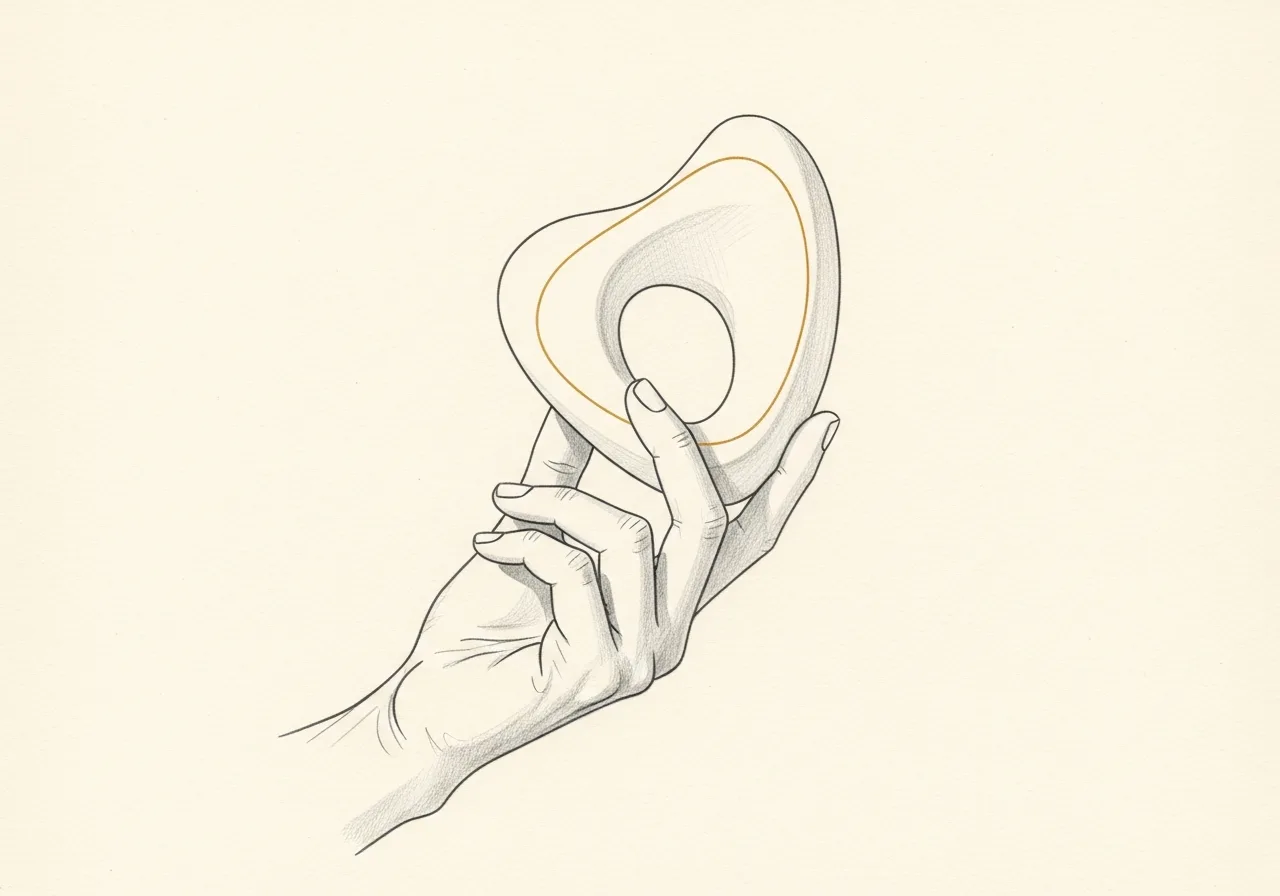
Patients often hear the word graft and picture filler added for volume. In reality, cartilage grafting in rhinoplasty is about structure — and understanding it makes the rest of a surgical plan far easier to follow.
Grafts are support, not just filler
Cartilage grafts are used to support, straighten, reinforce, camouflage, or rebuild parts of the nose. They give the framework strength and hold structures in position over time. Rather than simply adding bulk, a well-placed graft does a specific structural job — bracing a weak sidewall, refining a tip, or smoothing a contour.
Common sources
Septal cartilage, ear cartilage, and rib cartilage each have different strengths and limitations. Septal cartilage is straight and convenient when available; ear cartilage has a natural curve useful in certain areas; rib cartilage provides strength and volume for major reconstruction but requires a separate harvest.
- Septal cartilage — straight and well suited to many grafts, when enough remains
- Ear cartilage — naturally curved, useful for specific contouring needs
- Rib cartilage — strong and abundant, used when major support is required
Functional use
Grafts are not only cosmetic. They can support the nasal valves and improve airflow in selected patients, which is why functional and cosmetic planning go hand in hand. Spreader, batten, and strut grafts all have roles in keeping the airway open.
Revision use
Revision surgery often requires grafting because support may be depleted or scarred from the first operation. When septal cartilage has been used up, the surgeon turns to ear or rib cartilage to rebuild a stable framework.
Continue Reading