
Face · Editorial Journal
Choosing the Right Time of Year for Facelift Surgery in NYC
Calendar planning is often under-discussed in surgical consultations. A practical look at how seasonality, sun exposure, and the city's social calendar can shape facelift timing.
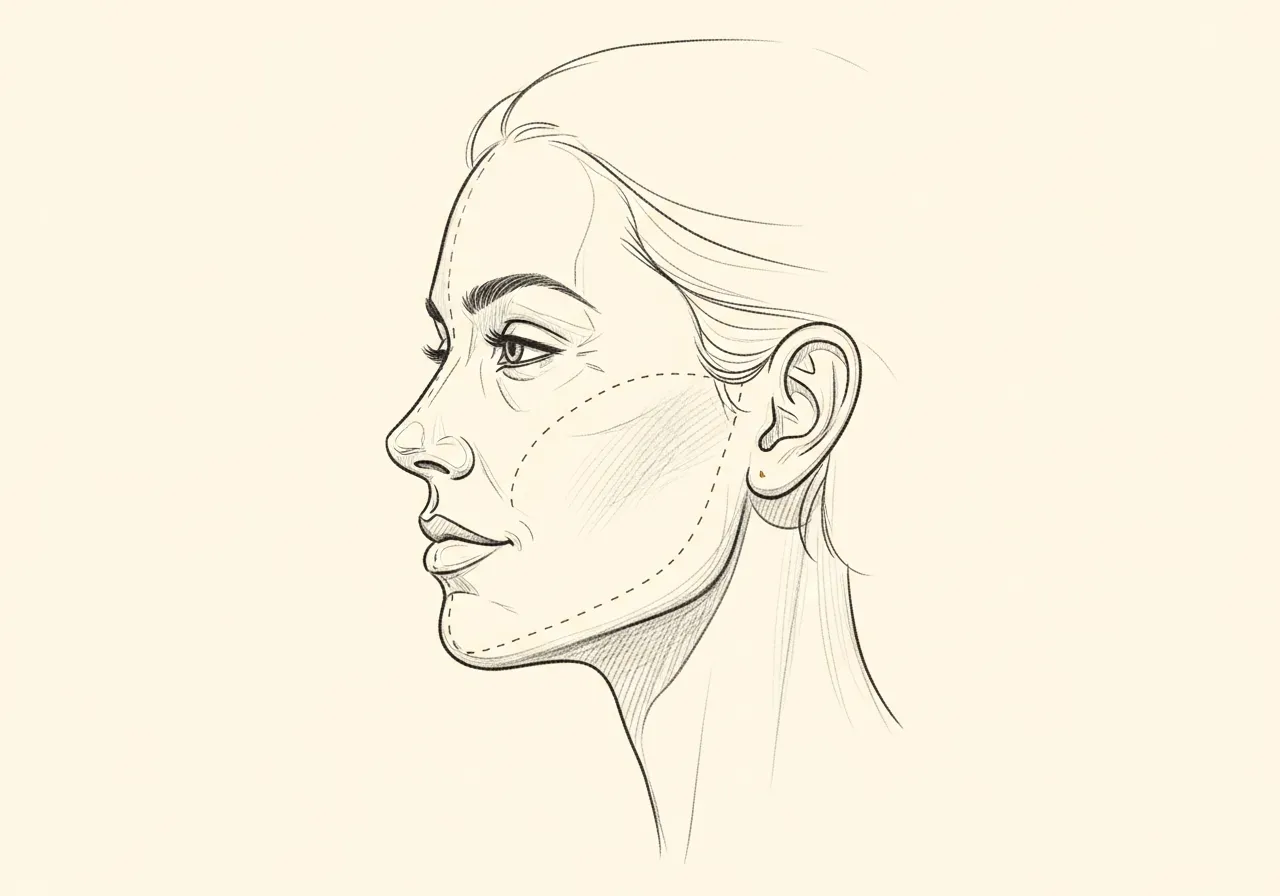
Facelift consultations typically begin with a clinical conversation — anatomy, technique, expected recovery. Less often discussed, but quietly important, is the question of when to schedule the operation. In a city like New York, where the social and professional calendar moves quickly, the chosen month often shapes how comfortable and discreet the recovery period feels.
Why timing matters more than patients expect
A modern deep-plane facelift is a structurally involved operation, not a brief refresh. Visible bruising and swelling are typically pronounced during the first two weeks; subtle residual swelling continues to resolve over several months. Sun exposure during early healing can affect pigmentation of fresh incisions. Sweating and high heat can interfere with the early stages of incision sealing.
Together, these factors mean the time of year is not only a matter of aesthetics — it is also a clinical variable worth planning around. A patient who books surgery the week before a beach vacation will spend that vacation indoors. A patient who books in late autumn will typically recover through colder months, with the option to return to social life around the holidays.
Seasonal considerations specific to New York
Autumn (late September through November)
A frequently chosen window in our practice. Cool, dry air tends to be more comfortable during early healing. Long sleeves and scarves are seasonally appropriate, providing natural privacy without seeming staged. Many patients return to professional and social life before the holiday season begins.
Winter (December through February)
Cold weather is forgiving of swelling, and hats and scarves are unremarkable. Patients planning around major personal events — milestone birthdays, weddings, professional appearances — often choose January or February so they are months past surgery by spring.
Spring and summer
Surgery is performed year-round, but spring and summer require additional discipline around sun protection. Patients who summer outside the city or travel internationally must plan with their surgeon for at least two weeks of indoor recovery and several months of conservative sun exposure.
"There is no calendar that turns a facelift into a small operation. There is, however, a calendar that makes the recovery feel quieter — and that quietness is often what patients remember as much as the result."
Planning the consultation timeline
A typical pathway is six to eight weeks between the first in-person consultation and the surgical date. That window allows time for medical clearance, preoperative photography, and any adjunct planning — for example, combining the procedure with eyelid surgery or a neck lift in the same setting.
Out-of-town patients frequently begin with a virtual consultation, then travel to Manhattan for an in-person evaluation a few weeks before surgery. The Upper East Side practice at 923 Fifth Avenue is on Manhattan's Upper East Side opposite Central Park, with most patients staying in the immediate neighborhood during the first week of recovery.
Planning around real life
For an important wedding, reunion, or photographed event, think in terms of both a minimum recovery period and a comfort margin. Many patients plan roughly three months before an event so the result has time to settle; six months may feel more unremarkable in close photographs. These are planning ranges, not promises. Healing, the extent of surgery, and the visibility of the event all matter.
Desk work is often easier to resume than a public-facing role. A person who works privately from home may return to light tasks sooner than someone who presents on camera, meets clients, or performs physically. Heavy lifting and strenuous work require separate clearance. The recovery timeline guide explains the general arc.
Sun, travel, and flying
The first months are a period for disciplined sun protection because fresh incisions and healing skin can develop more noticeable pigmentation after ultraviolet exposure. Travel is not automatically prohibited, but flying soon after surgery can be uncomfortable and complicate access to follow-up. Discuss the date of any flight with the operating team rather than relying on a generic number of days.
Combining procedures — and when to wait
Some patients combine a facelift with a neck lift or another facial procedure to consolidate downtime. Combining operations also changes operative time, anesthesia planning, and recovery, so it is not automatically the best choice. It may be wiser to wait during active weight loss, an unstable medical issue, a major life stressor, or before smoking cessation has been established.
Questions patients often ask
How far in advance of a wedding should I have a facelift?
Three months is a practical minimum planning horizon for many patients, while six months may provide more confidence for close photographs. Your operation and healing determine the actual timeline.
Is winter the only good time for surgery?
No. Surgery is performed year-round. Winter offers more cover from sun and cold-weather clothing can make early recovery feel private, but schedule, support, travel, and the ability to follow aftercare matter more than a particular season.
Should I schedule surgery before a major life event?
Only if you have enough recovery margin and practical support. A major event can add pressure precisely when rest and follow-up are most important, so a quieter window may be preferable.
Building a realistic calendar
The most useful calendar begins with the event you want to feel ready for and works backward from there. A facelift is not considered settled when the dressings come off: bruising may fade before firmness and subtle swelling do. For an important wedding, reunion, or photographed professional event, many patients prefer roughly three months of margin; six months may feel more comfortable for close photographs. Those are planning ranges, not guarantees, and the operation, healing biology, and visibility of the event all matter.
Support at home is part of timing too. Arrange transportation, help with meals and errands, and a quiet place to recover before choosing a date. If children, pets, or a physically demanding job depend on you, the calendar must include practical backup rather than only the number of days away from the office. A season that looks ideal on paper is not ideal if it leaves no room for follow-up or rest.
What can make a date worth postponing?
Active weight loss can change the skin envelope after surgery, and an unstable medical issue may make elective anesthesia or wound healing less predictable. A major move, bereavement, intense work deadline, or established nicotine use can also make recovery harder to protect. Waiting is not a failure or a missed opportunity; it may create a safer period in which the patient can attend visits, follow restrictions, and judge the result patiently.
The same calendar logic applies to travel and social privacy. If you will be away from the practice, identify where postoperative questions will be answered and how an in-person review would happen if needed. If you prefer not to explain bruising at work or to friends, choose a window that gives you control over visitors and photographs. Recovery is medical first, but it also happens inside ordinary responsibilities, relationships, and commitments.
A useful consultation ends with a range rather than a magic date. The surgeon can discuss the likely early restrictions, the point when many patients return to non-strenuous work, and the longer period during which scars and swelling continue to mature. The patient can then compare that range with the event calendar and decide whether the timing feels workable. If the margins are too narrow, postponing is often the more comfortable choice.
Continue Reading