Double Board Certified · Functional Sinus Surgery
Nasal Polyp Removal Surgery in NYC
Endoscopic nasal polyp removal in NYC: who needs surgery, what the operation involves, recovery, and how recurrence is controlled afterward.
ABFPRS
Facial Plastic & Reconstructive Surgery
ABOto
Otolaryngology — Head & Neck Surgery
AAFPRS
Fellowship Director
In Consultation
"Surgery is one part of polyp care. Without the medical plan that follows it, polyps return."

A Note from Dr. Mourad
"Endoscopic surgery removes the polyp burden and opens the sinus drainage pathways — but polyps are an inflammatory disease, and the long-term outcome depends as much on the medical plan after surgery as on the operation itself."
— Dr. Moustafa Mourad, MD
Medically reviewed by Moustafa Mourad, MD, FACS — dual board-certified in Facial Plastic & Reconstructive Surgery and Otolaryngology–Head & Neck Surgery; Clinical Assistant Professor of Otolaryngology at New York Medical College; AAFPRS Fellowship Director. The medical review identifies the anatomy, evidence, limits, and questions patients should understand before choosing a procedure.
Last reviewed: June 2026
Start Here
This page focuses on surgery for nasal polyps
- Endoscopic removal of nasal polyps that obstruct the airway
- Reopening the sinus drainage pathways polyps have blocked
- What the operation involves, recovery, and who is a candidate
Looking for the full picture?
- For the full range of medical and surgical treatment options, see Nasal Polyps Treatment in NYC.
Key takeaways
- Endoscopic surgery removes nasal polyps and reopens the sinus drainage pathways they have blocked.
- Polyps are an inflammatory disease, so surgery is paired with an ongoing medical plan to control recurrence.
- It is considered when symptoms persist despite optimized medical therapy like steroids and saline irrigation.
- The operation is done entirely through the nostrils with an endoscope, leaving no external incisions.
- Candidates often have airway obstruction, recurrent infections, or loss of smell from polyp burden.
Overview
Plan for the disease as well as the polyps
Nasal-polyp surgery is considered in the context of the underlying inflammatory disease, symptoms, examination, and previous treatment. Removing polyps does not guarantee that they will never return or that ongoing medical care will no longer be needed.
The consultation should explain the surgical goals, any sinus work included, the expected follow-up, and how surgery fits with other treatment options. Patients with recurrent disease may need a broader discussion rather than simply repeating the same intervention.
The extent is tailored to polyp burden, sinus distribution, prior surgery, anatomy, asthma, aspirin or NSAID sensitivity, and the need for postoperative topical access. Balloon dilation alone does not remove polyps. Biologic therapy is considered separately for selected severe or recurrent disease after specialist review of eligibility, risks, burden, prior treatment, and goals.
Meet Dr. Mourad
A nasal polyps surgeon focused on precise removal and long-term inflammation control.
Dr. Moustafa Mourad treats nasal polyps as both a surgical and an inflammatory problem. Nasal polyps can block airflow, impair smell, trap mucus, and prevent medication from reaching the sinus cavities. Surgery may be necessary when polyps obstruct the nose or sinuses, but the operation must be planned with an understanding that polyps can recur if the underlying inflammation is not controlled.
As a dual board-certified Facial Plastic and Reconstructive Surgeon and Otolaryngologist–Head and Neck Surgeon, Dr. Mourad brings both sinus-surgery and nasal-airway expertise to nasal polyps surgery in NYC. During evaluation, he reviews nasal endoscopy, CT imaging, smell changes, asthma or aspirin sensitivity when relevant, allergy history, prior steroid or antibiotic treatment, and whether balloon sinuplasty, endoscopic sinus surgery, or polyp removal is the appropriate procedure.
His philosophy is to remove obstructing disease precisely while preserving normal structures and planning for what happens after surgery. Nasal polyps surgery is not simply about clearing tissue in the operating room; it is about improving access for rinses and topical medications, restoring drainage, reducing obstruction, and setting up a long-term maintenance plan. Patients are counseled about recurrence, biologic therapy when relevant, postoperative debridement, saline irrigation, and ongoing inflammation control.
- Dual board-certified in facial plastic surgery and otolaryngology–head and neck surgery
- Endoscopic approach focused on precise removal and preservation of normal anatomy
- Long-term management philosophy for chronic inflammatory polyp disease
- Practice focused on sinus, nasal airway, facial, and reconstructive surgery
An Established Academic Authority
Double board certification. Fellowship director. Published author. A surgeon's surgeon.
ABFPRS
Board Certified
American Board of Facial Plastic & Reconstructive Surgery
ABOto
Board Certified
American Board of Otolaryngology — Head & Neck Surgery
NYMC
Clinical Assistant Professor
Otolaryngology · Clinician Scholar Pathway
AAFPRS
Fellowship Director
American Academy of Facial Plastic and Reconstructive Surgery
Textbook
Published Author
Contributions to the academic literature of facial plastic surgery
Dual board certification in both Facial Plastic & Reconstructive Surgery and Otolaryngology — Head & Neck Surgery.
01 · Why Dr. Mourad
Diagnosis first, then a plan that fits.
Dr. Mourad is double board-certified in Facial Plastic & Reconstructive Surgery and in Otolaryngology — a combination uniquely suited to evaluating both surgical and medical components of inflammatory sinus disease.
Every polyp surgery is paired with a medical maintenance plan — topical steroids, sometimes biologics — designed to control the underlying inflammation.
Surgery is recommended when medical therapy has been optimized and disease persists — not before.
02 · Patient Selection
Who benefits most from this operation.
Candidacy is determined by symptom burden, objective disease, prior treatment, related inflammatory conditions, anatomy, and the role surgery would play in the long-term plan.
I
Medically-Refractory Polyps
Patients with polyps that obstruct the airway despite optimized medical therapy with topical and sometimes systemic steroids.
II
Recurrent Sinus Infections
Patients with chronic or recurrent sinus infections driven by polyp-related obstruction of the drainage pathways.
III
Loss of Smell or Quality of Life
Patients whose smell, sleep, or daily function is meaningfully reduced by polyp burden.
Illustrated Anatomy
How polyp removal restores the airway.
Nasal polyps and the surgery to remove them sit deep within the nasal cavity and sinuses — they are not visible in standard external photographs. The illustration shows polypoid tissue obstructing the middle meatus, which endoscopic surgery is designed to clear.
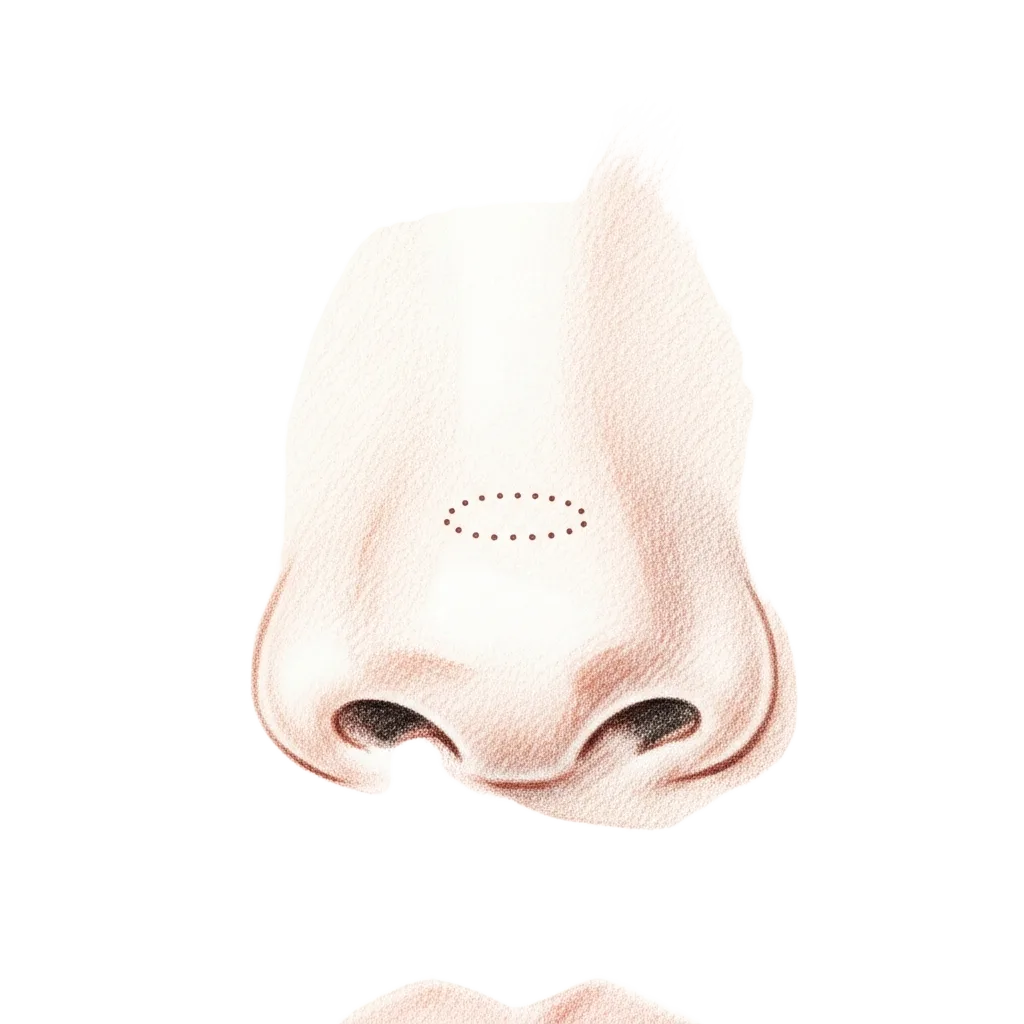
Illustrative anatomy · Not a patient photograph
If this describes you, the next step is a quiet, unhurried conversation — not a sales call.
An Honest Note
When this operation may not be right for you.
Patients who have not yet completed an adequate trial of topical steroid therapy benefit from medical optimization first.
Patients whose only complaint is mild congestion without functional impact may be reasonable to manage medically.
Patients with uncontrolled asthma, aspirin sensitivity, or other systemic inflammatory disease need a coordinated plan with allergy/immunology before surgery.
Smokers should be counseled candidly about how smoking accelerates polyp recurrence.
03 · Approaches
Three paths through polyp disease.
Nasal polyps are usually a sign of underlying inflammatory disease. Surgery is one part of a longer plan that includes medical therapy and, often, biologics — the right operation depends on disease burden and what drainage is being obstructed.
1 of 3 · Endoscopic Polypectomy
04 · Technique
Polypectomy + FESS.
Polyp surgery is rarely done in isolation. The right operation usually combines polyp removal with opening of the obstructed sinus drainage pathways.
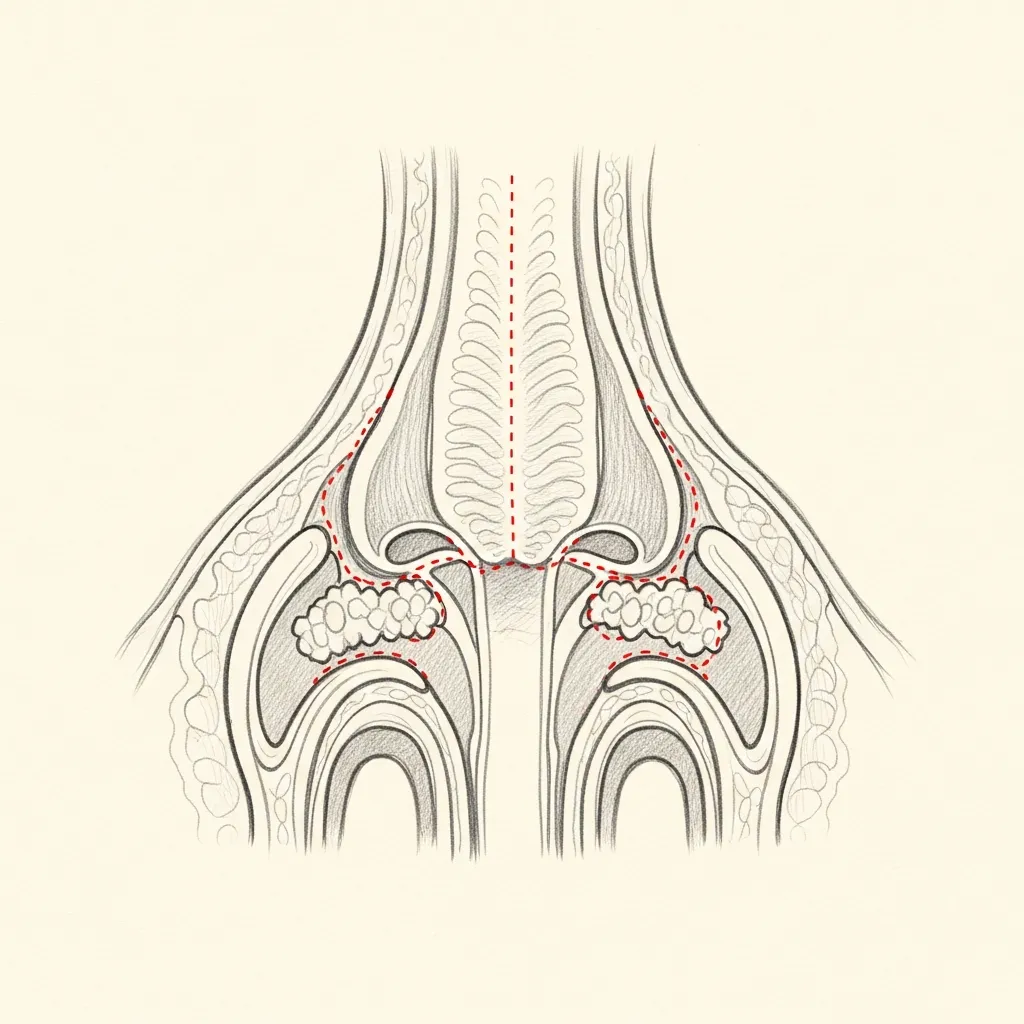
Polypectomy
Removal of polyp burden
Polyps are removed under endoscopic visualisation using powered instrumentation — preserving normal mucosa wherever possible.
The goal is to restore airway and drainage without removing healthy tissue. Aggressive stripping of mucosa is counter-productive and increases scarring.
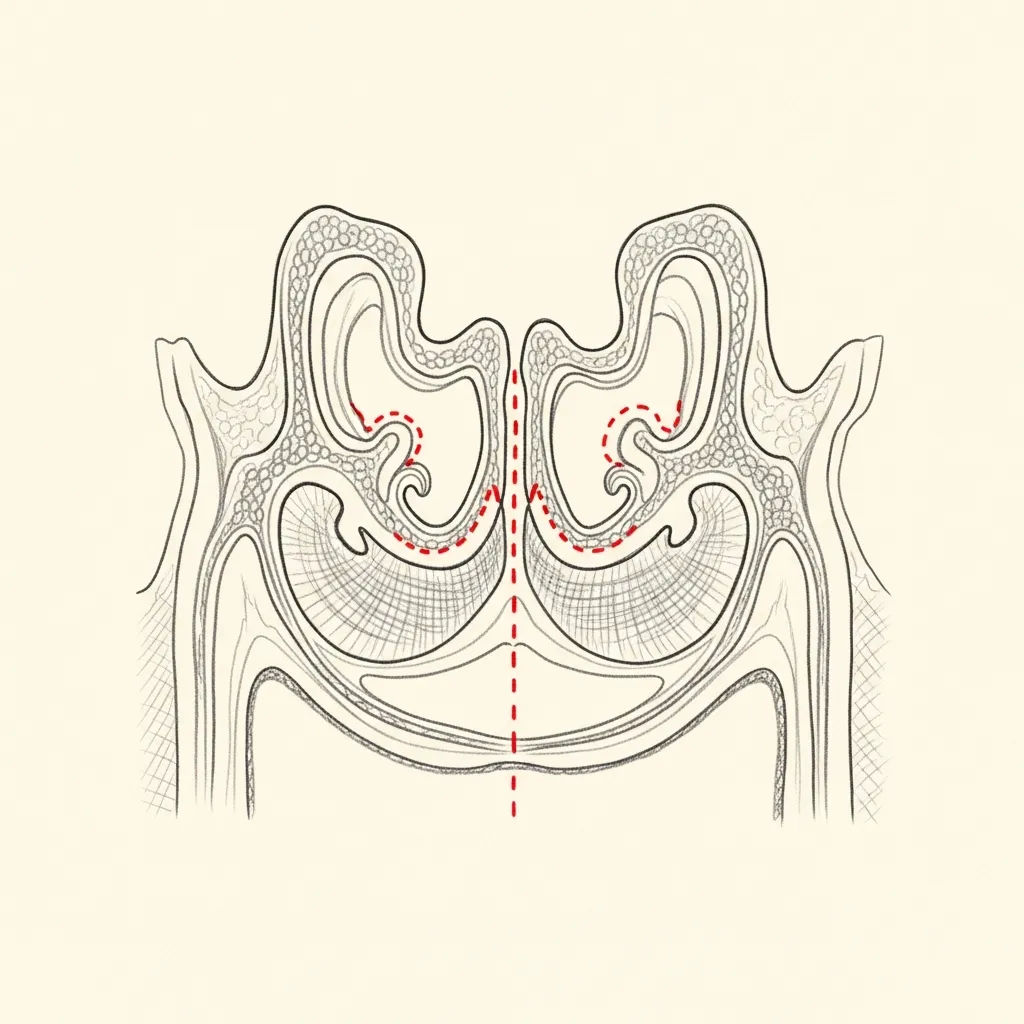
FESS
Opening sinus drainage pathways
Where polyps have obstructed sinus drainage, the natural outflow tracts are opened — most commonly the maxillary, ethmoid, and frontal sinuses.
Restoring drainage is what allows the medical plan after surgery to actually reach the sinus mucosa and control inflammation long-term.
Illustrative diagrams. The extent of surgery is decided case by case based on imaging and endoscopy.
Begin the conversation
A careful, honest evaluation is the right first step.
Cost & Insurance
Nasal Polyps Surgery Cost & Insurance in NYC
Nasal polyps surgery cost depends on the extent and location of the polyps, the degree of associated sinus disease, whether endoscopic sinus surgery or other nasal procedures are included, the type of anesthesia, and the surgical facility.
Because nasal polyps surgery treats a medical condition, it may be covered by insurance when it is medically necessary. Coverage often depends on symptoms, CT imaging, prior medical treatment, and the requirements of the patient’s insurance plan. Our office can help review benefits and guide patients through preauthorization when appropriate.
What May Affect Cost
- Extent and location of polyps
- Degree of sinus disease
- Whether endoscopic sinus surgery is included
- Type of anesthesia
- Prior medical treatment
- Insurance plan requirements
The prices listed are provided as general estimates of typical surgical investment and are not guaranteed quotes. Surgical fees vary based on the patient's anatomy, the complexity of the procedure, previous surgery, operative time, anesthesia and facility requirements, implants or hardware, virtual surgical planning when applicable, and whether multiple procedures are performed together. An exact surgical fee is provided following consultation and development of an individualized treatment plan.
05 · In Dr. Mourad's Words
Educational videos.
Short educational films and patient perspectives from the Manhattan practice.
Dr. Mourad in Practice
An overview of the practice and philosophy.
Patient Perspective
A patient discusses her experience before, during, and after surgery.
Inside the Consultation
How Dr. Mourad evaluates anatomy, goals, and candidacy.
06 · Recovery
What healing actually looks like.
Stage 01
First 24 Hours
Initial recovery focuses on rest, hydration, and following all post-operative instructions exactly. Pain is managed with multi-modal non-narcotic protocols where appropriate.
Stage 02
Week 1
Swelling and bruising peak in the first few days and improve steadily through the first week. Most patients are presentable for casual social activity by the end of week two.
Stage 03
Weeks 2 – 4
Through weeks two to four the early result begins to settle. Light cardio resumes around three weeks; vigorous exertion and contact activities are deferred per the operative plan.
Stage 04
Months 1 – 6
The final refined result emerges progressively over the following months as residual swelling continues to resolve. Follow-up visits are scheduled across the first year.
Have a specific question?
Send a brief note describing your anatomy or concerns — the office will route it directly to Dr. Mourad for review.

Before You Arrive
Your consultation, prepared.
Bring photographs relevant to your concern, when available.
Bring records from any prior surgery, when available.
List current medications, supplements, and blood-thinning agents.
Note any prior anesthesia issues or chronic medical conditions.
Allow 60 minutes for the first consultation.
Bring questions; no decisions are made at the first visit.
Patient Perspectives
From patients of the practice.
I had lost my sense of smell completely for almost two years. A few weeks after surgery it began coming back, and that was a more meaningful change than I expected.
Dr. Mourad was honest that polyps can recur and that medical maintenance after surgery is part of the plan. That candor mattered to me.
Breathing through my nose at night has changed how I sleep. My partner says the snoring is gone, and I feel more rested.
Individual experiences. Results and recovery vary by patient. Testimonials shared with written consent.
Nasal polyp surgery at a glance
Endoscopic, through the nostrils — no external incisions. General anesthesia, outpatient. Usually combined with endoscopic sinus surgery of the involved sinuses; sometimes septoplasty or turbinate reduction. Most patients return to desk work in about one week. Smell often improves as swelling settles over several weeks, but improvement is not guaranteed.
At a Glance
Nasal polyps surgery fact snapshot.
- Treats
- Obstructing nasal polyps and the chronic rhinosinusitis with polyps that produces them, including loss of smell and persistent congestion.
- Does not treat
- The underlying inflammatory tendency — polyps can recur, so surgery is paired with ongoing medical therapy rather than replacing it.
- Evaluation
- Nasal endoscopy and CT imaging after optimized medical therapy with topical and sometimes systemic steroids.
- Related conditions
- Chronic sinusitis with polyps, aspirin-exacerbated respiratory disease, asthma, fungal sinusitis.
- Possible combined procedures
- Endoscopic sinus surgery of the involved sinuses, septoplasty, turbinate reduction.
- Recovery summary
- Most patients return to desk work within about a week; smell and congestion often improve as swelling settles, with saline rinses supporting healing.
- Insurance / functional distinction
- Polyp surgery is a functional, medically indicated procedure and may be submitted for insurance review — coverage is never guaranteed. This out-of-network practice provides documentation for reimbursement.
- When to seek evaluation
- When congestion, drainage, or loss of smell persists despite steroid sprays or rinses, or polyps are visible in the nostril.
Frequently Asked
Patient questions, honestly answered.
When they continue to block breathing, smell, or sinus drainage despite an adequate trial of medical therapy — usually steroid sprays or rinses, and sometimes a short course of oral steroids. Surgery is also considered when polyps cause repeated sinus infections, or when medication can't reach the sinuses because the polyps are in the way.
Many patients notice smell improving within weeks as swelling settles and air can reach the smell receptors high in the nose again. Improvement is less predictable when smell has been absent for many years or when inflammation is severe, and smell can fade again if polyps regrow. Continuing topical steroids helps protect the gain.
Clinical references
This page draws on published clinical practice guidelines and public-health references. These sources inform general patient education and do not replace an individual evaluation with Dr. Mourad.
- 01Rosenfeld RM, Piccirillo JF, Chandrasekhar SS, et al. Clinical Practice Guideline (Update): Adult Sinusitis. Otolaryngology–Head and Neck Surgery. 2015;152(2_suppl):S1–S39. AAO-HNSF guideline
- 02U.S. National Library of Medicine (MedlinePlus Medical Encyclopedia). Nasal polyps. MedlinePlus
- 03U.S. National Library of Medicine (MedlinePlus). Sinusitis. MedlinePlus
The Most Important Step
Your expert consultation.
A careful evaluation by a double board-certified physician is the right first step. The conversation is unhurried, the diagnosis is honest, and the operative plan is built around what your anatomy can sustain and what you actually want.