
Education
Why Does My Nose Whistle When I Breathe?
A whistling nose means air is squeezing through a narrow spot — often dry crusting, sometimes a hole in the septum. Causes and when to get it checked.
ABFPRS
Facial Plastic & Reconstructive Surgery
ABOto
Otolaryngology — Head & Neck Surgery
AAFPRS
Fellowship Director

Overview
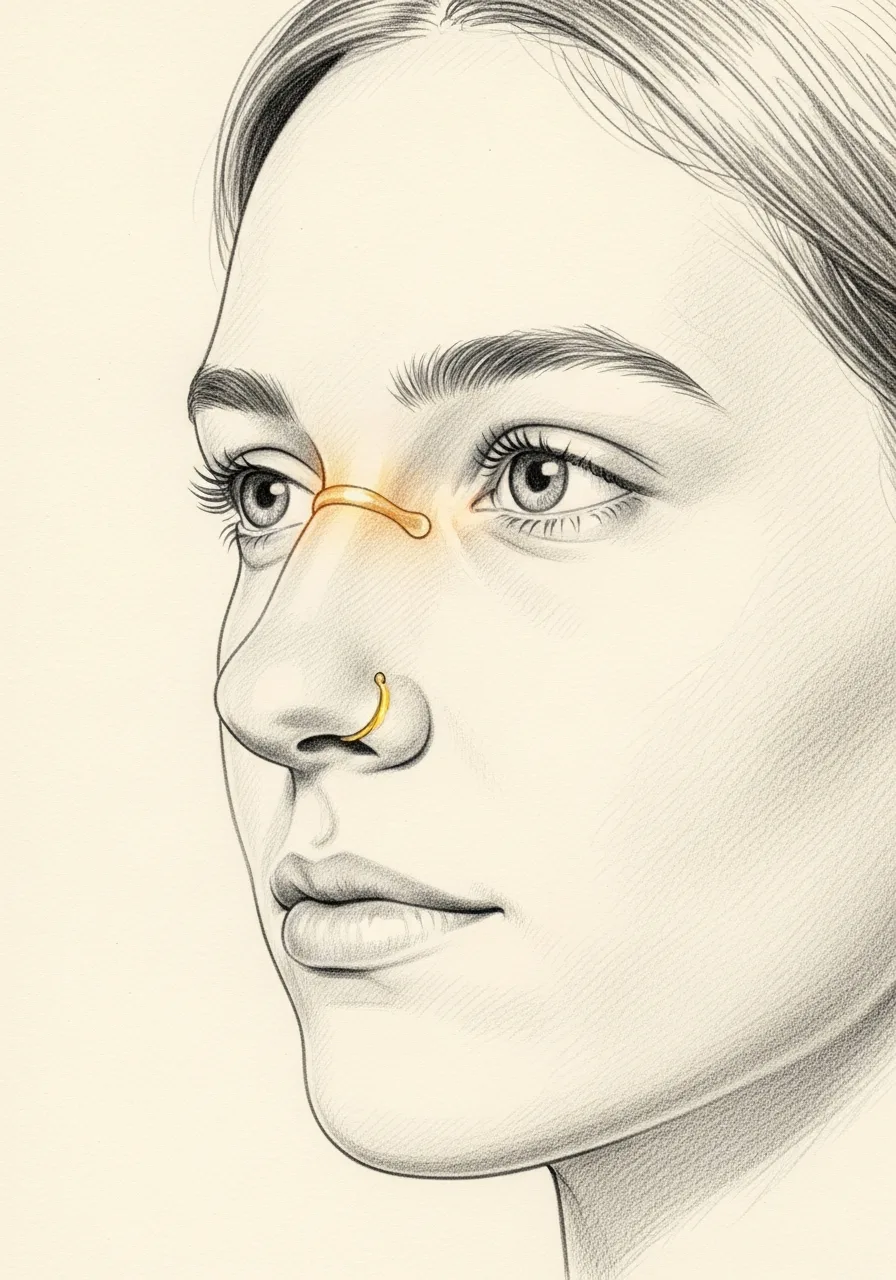
A whistling sound when you breathe through your nose almost always means air is being forced through a space that is narrower or shaped differently than usual. Most of the time it is a minor annoyance, but occasionally it points to something worth having examined.
An Established Academic Authority
Double board certification. Fellowship director. Published author. A surgeon's surgeon.
ABFPRS
Board Certified
American Board of Facial Plastic & Reconstructive Surgery
ABOto
Board Certified
American Board of Otolaryngology — Head & Neck Surgery
AAFPRS
Fellowship Director
American Academy of Facial Plastic and Reconstructive Surgery
Textbook
Published Author
Contributions to the academic literature of facial plastic surgery
Dual board certification in both Facial Plastic & Reconstructive Surgery and Otolaryngology — Head & Neck Surgery.
Castle Connolly Top Doctor — Plastic Surgery, 2026Common causes
Cause Clues
--- ---
Dry air and crusting Worse in winter or with indoor heat; comes and goes; improves with saline and humidity
Congestion from a cold or allergies Temporary; clears when the congestion does
A small septal perforation (hole in the septum) Persistent whistle, often with crusting, occasional bleeding; may follow nasal surgery, cocaine use, or overused nasal sprays
A narrow nasal valve Whistle on deep breaths in, sometimes with a feeling of blockage
Changes after nasal surgery Began after rhinoplasty or septoplasty
Mucus in the nostril Clears when you blow your nose
The septal perforation whistle
A small hole near the front of the septum is the most characteristic cause of a persistent whistle. Air rushes through the hole from one side of the nose to the other, creating a high-pitched sound — often most noticeable during quiet breathing or sleep. Larger perforations usually don't whistle, but tend to cause more crusting and bleeding.
Common causes of perforation include prior septal surgery, cauterization for nosebleeds, cocaine use, steroid sprays aimed at the septum, trauma, and some inflammatory diseases. See septal perforation.
When a whistle is harmless
A whistle that comes and goes with a cold, dry air, or temporary congestion — and goes away when those clear — rarely needs treatment.
Try: saline spray or gel a few times a day, a humidifier in the bedroom, and pointing steroid sprays toward the outer wall of the nostril rather than the septum.
When to have it checked
- The whistle is constant or lasts more than a few weeks
- It started after an injury or nasal surgery
- You also have crusting, nosebleeds, or a bad smell
- Breathing feels blocked
A quick examination — often with nasal endoscopy — can see a perforation or narrowing directly.
Treatment depends on the cause
- Dryness: humidification, saline, and healing time.
- Septal perforation: moisture and saline to control crusting; a soft silicone "septal button" to plug the hole; or surgical repair to close it. See septal perforation repair.
- Nasal valve narrowing: strips or treatment of the valve. See nasal valve collapse.
Frequently Asked
Why Does My Nose Whistle When I Breathe? — patient questions, honestly answered.
Usually not. It is most often caused by temporary dryness or congestion. A whistle that is persistent — especially after nasal surgery or injury, or alongside crusting or nosebleeds — can indicate a septal perforation or another structural issue and is worth having examined.
A deviated septum can contribute to turbulent airflow, but the classic structural cause of a whistle is a septal perforation, a small hole in the septum. An in-person examination distinguishes between them.
Continue exploring
Related resources
Septal Perforation (Condition)
A hole in the septum is a classic cause of a whistling nose.
Septal Perforation Repair
How a perforation is evaluated and repaired.
Nasal Valve Collapse (Condition)
Turbulence at the narrowest part of the airway.
Nasal Valve Collapse Treatment
Approaches to restoring a stable airway.
Septoplasty Surgery NYC
Straightening the septum to improve the airway.
Next step
Plans are individualized. The consultation is where that begins.
Reach the Manhattan office to schedule a private consultation with Dr. Mourad.