Double Board Certified · AAFPRS Fellowship Director
Revision Facelift in NYC — restoring a natural result after prior surgery.
Revision facelift evaluation begins by identifying whether the concern is recurrent aging, residual laxity, scar position, hairline or sideburn change, earlobe distortion, contour irregularity, asymmetry, volume imbalance, nerve dysfunction, or an over-tightened result. The correction depends on what the first operation changed and what tissue remains safely available.
ABFPRS
Facial Plastic & Reconstructive Surgery
ABOto
Otolaryngology — Head & Neck Surgery
AAFPRS
Fellowship Director
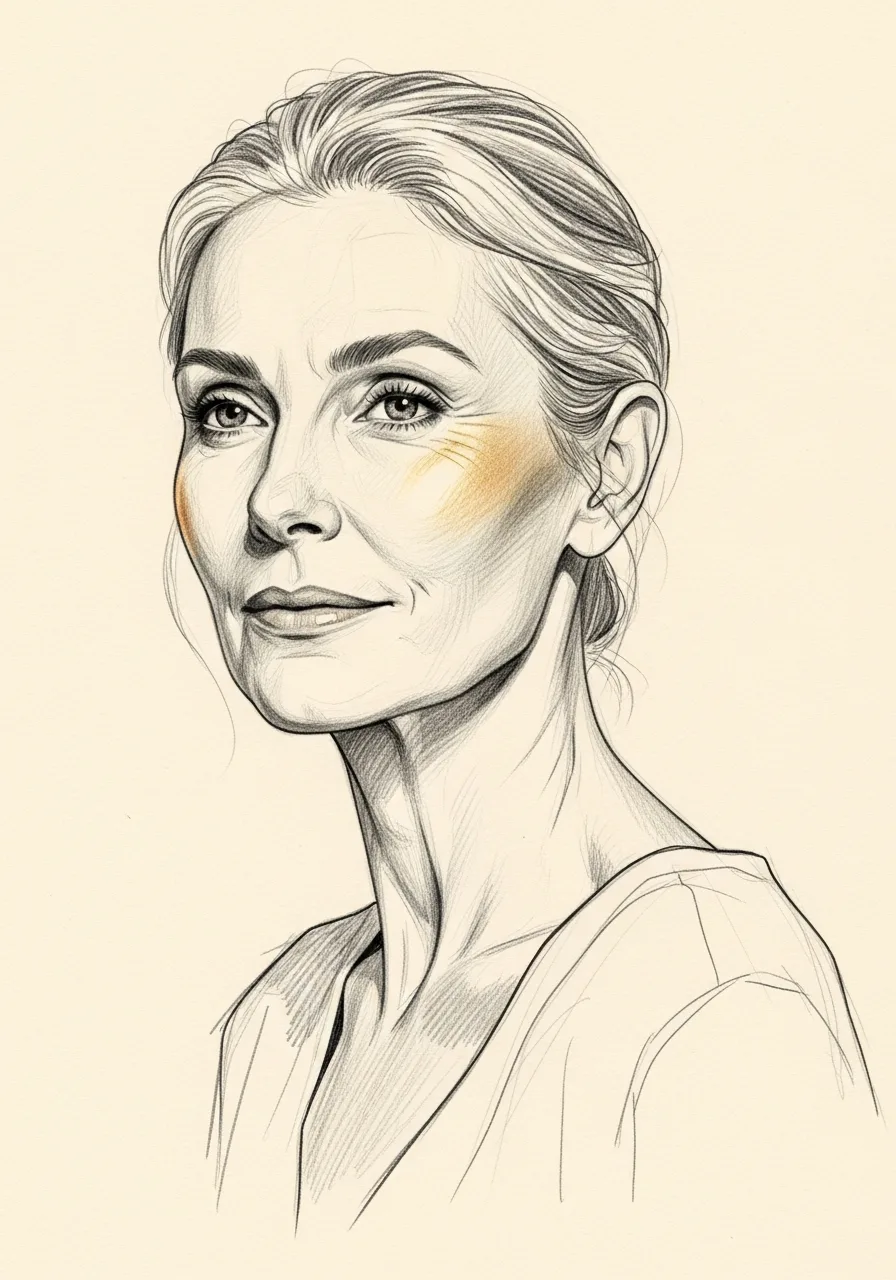
In Consultation
"Revision work begins with understanding what the first operation did."
Before & After
Documented revision facelift and neck-lift result.
Pre and post-operative comparison · Photographed in standardized studio conditions · Written consent on file · Individual results vary

A Note from Dr. Mourad
"A revision facelift is a more demanding operation than a first-time lift. The tissue planes have already been altered, scar tissue is present, and the facial nerve must be respected throughout. The goal is rarely to do more — it is to restore a natural relationship between the tissues."
— Dr. Moustafa Mourad, MD
Medically reviewed by Moustafa Mourad, MD, FACS — dual board-certified in Facial Plastic & Reconstructive Surgery and Otolaryngology–Head & Neck Surgery; Clinical Assistant Professor of Otolaryngology at New York Medical College; AAFPRS Fellowship Director. The medical review identifies the anatomy, evidence, limits, and questions patients should understand before choosing a procedure.
Last reviewed: June 2026
Is this the right page for you?
- You have had a facelift before and are unhappy with the result, or your face has continued to age since the original surgery.
- You are concerned about an unnatural or pulled appearance, visible scars, or asymmetry after a prior lift.
- You are researching revision facial surgery and want a careful second opinion.
You may be looking for
- A first-time facelift — start with the main facelift page.
- The deeper sub-SMAS technique by name — see the deep plane facelift page.
- Concerns limited to the neck and jawline — see the neck lift page.
Overview
What is a revision facelift?
A revision facelift is surgery performed after a previous facelift. Patients seek it for different reasons: an unnatural or pulled appearance, visible or migrated scars, asymmetry, or simply the natural aging that has continued in the years since the original operation.
Because the tissue planes have already been dissected once, the anatomy is altered and scar tissue is present. This makes revision surgery more technically demanding and places a premium on careful planning around the facial nerve and the existing incisions.
Not every concern after a facelift requires more surgery. A careful evaluation distinguishes problems that revision can improve from changes that are better addressed in other ways, or that are still settling and need time.
Common findings include a tethered or pulled-down earlobe (pixie ear), temporal hairline or sideburn displacement, widened scars, residual neck laxity after a face-only lift, asymmetry, and contour irregularity. Each has a different cause: earlobe repositioning, scar management, hairline planning, structural support, or staged volume restoration may be more appropriate than simply removing more skin.
A windswept or overtightened appearance often reflects skin tension doing the lifting rather than a failure of the patient's healing. A carefully staged revision can sometimes rebalance the tissues, but it cannot erase every prior change. Diagnosis before technique is the central safety step.
Most revision planning waits about 12 months for swelling and scars to mature, and deep-plane revisions may require longer. A clearly tethered earlobe or suture granuloma can sometimes be addressed earlier; contour and vector problems generally should not be revised before the tissues have settled.
A revision surgeon must work through altered planes: the prior dissection may have separated the skin from the SMAS, left scar tethering, or changed the expected course of the facial nerve. A deep-plane release is not automatically safer or better in this setting; the safest plane is the one the examination and prior operative history support.
Pixie ear deformity is a pulled-down, tethered earlobe that may be improved with release and earlobe repositioning. Hairline distortion can involve a raised temporal hairline or displaced sideburn; correction may require careful redraping, hairline-lowering strategies, or later follicular grafting rather than another tight closure.
Visible or widened scars may be incorporated into a new incision, but pre-tragal and post-tragal scar problems have different trade-offs and scar refinement is often staged until maturation. Residual neck laxity after a face-only lift is common: it may represent an incomplete original plan rather than a failed operation, and can require platysma or neck correction.
Asymmetry and contour irregularity may reflect swelling, fat removal, scar bands, volume loss, or the underlying skeleton. The plan may combine selective scar release, fat grafting, structural support, or observation; simply removing more skin can worsen the problem.
Anatomy & planning
Diagnosis before another lift
A patient who looks older again years after a successful operation has a different problem from a patient with early distortion, an unfavorable scar, or persistent asymmetry. Revision planning therefore begins with the timeline, original goals, operative reports, photographs, prior injectables, energy treatments, weight change, smoking history, healing complications, and current facial movement.
The second operation may involve release of scar, re-elevation of deeper tissues, scar revision, hairline or sideburn correction, earlobe repair, volume restoration, neck revision, or a deliberately limited correction. Not every concern requires repeating the entire facelift.
Anatomy & planning
Bring when available
- —prior operative reports;
- —preoperative and postoperative photographs;
- —implant or device information;
- —dates and locations of filler, thread lifting, laser, ultrasound, radiofrequency, or liposuction;
- —details of infection, hematoma, skin compromise, nerve weakness, or delayed healing;
- —a list of current medications, supplements, nicotine exposure, and medical conditions.
Anatomy & planning
Limits and timing
Scarred tissue is less predictable than untreated tissue. Revision surgery can often improve contour, tension, scars, asymmetry, or recurrent laxity, but it cannot restore virgin anatomy, guarantee identical sides, erase every scar, or remove all signs of prior surgery. Timing is individualized according to healing, scar maturation, tissue quality, urgency of the problem, and the planned correction; no single waiting period applies to every revision patient.
An Established Academic Authority
Double board certification. Fellowship director. Published author. A surgeon's surgeon.
ABFPRS
Board Certified
American Board of Facial Plastic & Reconstructive Surgery
ABOto
Board Certified
American Board of Otolaryngology — Head & Neck Surgery
NYMC
Clinical Assistant Professor
Otolaryngology · Clinician Scholar Pathway
AAFPRS
Fellowship Director
American Academy of Facial Plastic and Reconstructive Surgery
Textbook
Published Author
Contributions to the academic literature of facial plastic surgery
Dual board certification in both Facial Plastic & Reconstructive Surgery and Otolaryngology — Head & Neck Surgery.
01 · Why Dr. Mourad
Experience with complex and revision cases.
Dr. Moustafa Mourad is dual board-certified in Facial Plastic & Reconstructive Surgery and in Otolaryngology — Head & Neck Surgery, and serves as an AAFPRS fellowship director.
His practice regularly evaluates complex and revision cases referred by other surgeons. Revision facial surgery requires a detailed understanding of altered anatomy, scar behavior, and the course of the facial nerve.
A revision consultation is unhurried by necessity. Understanding what the first operation did — and why the result is what it is — is the foundation of any honest plan.
02 · Ideal Candidates
Who is evaluated for a revision facelift.
Revision candidacy depends on the prior surgery, the current anatomy, and the specific concern. It is confirmed through an in-person examination and a review of the surgical history.
I
Unnatural Appearance
A pulled, tight, or windblown look, or distortion of the natural features after a prior lift, where rebalancing the tissues may help.
II
Scar or Contour Concerns
Visible, widened, or poorly positioned scars, earlobe distortion, or contour irregularities that can sometimes be improved surgically.
III
Continued Aging
A satisfactory original result that has simply aged further over the years, where a measured secondary lift may be appropriate.
From the Patient Gallery
A representative revision facelift result.
Revision facelift combined with a neck lift for a female patient in her 70s who had previously undergone facial rejuvenation surgery elsewhere, shown in frontal, oblique, and lateral comparisons before and after surgery. Photographed in standardized studio conditions with written consent on file. Results vary by patient; this case is representative, not predictive.
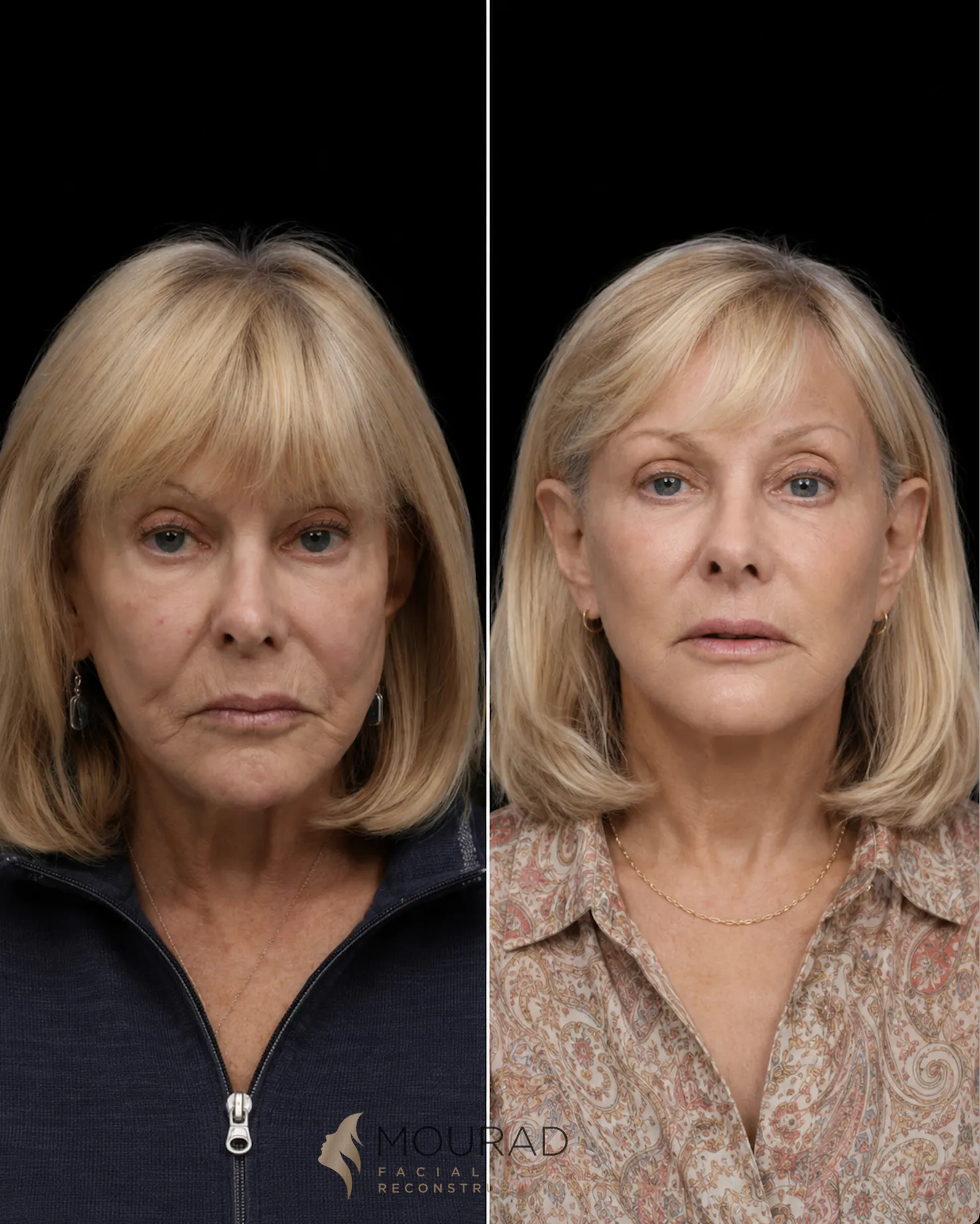
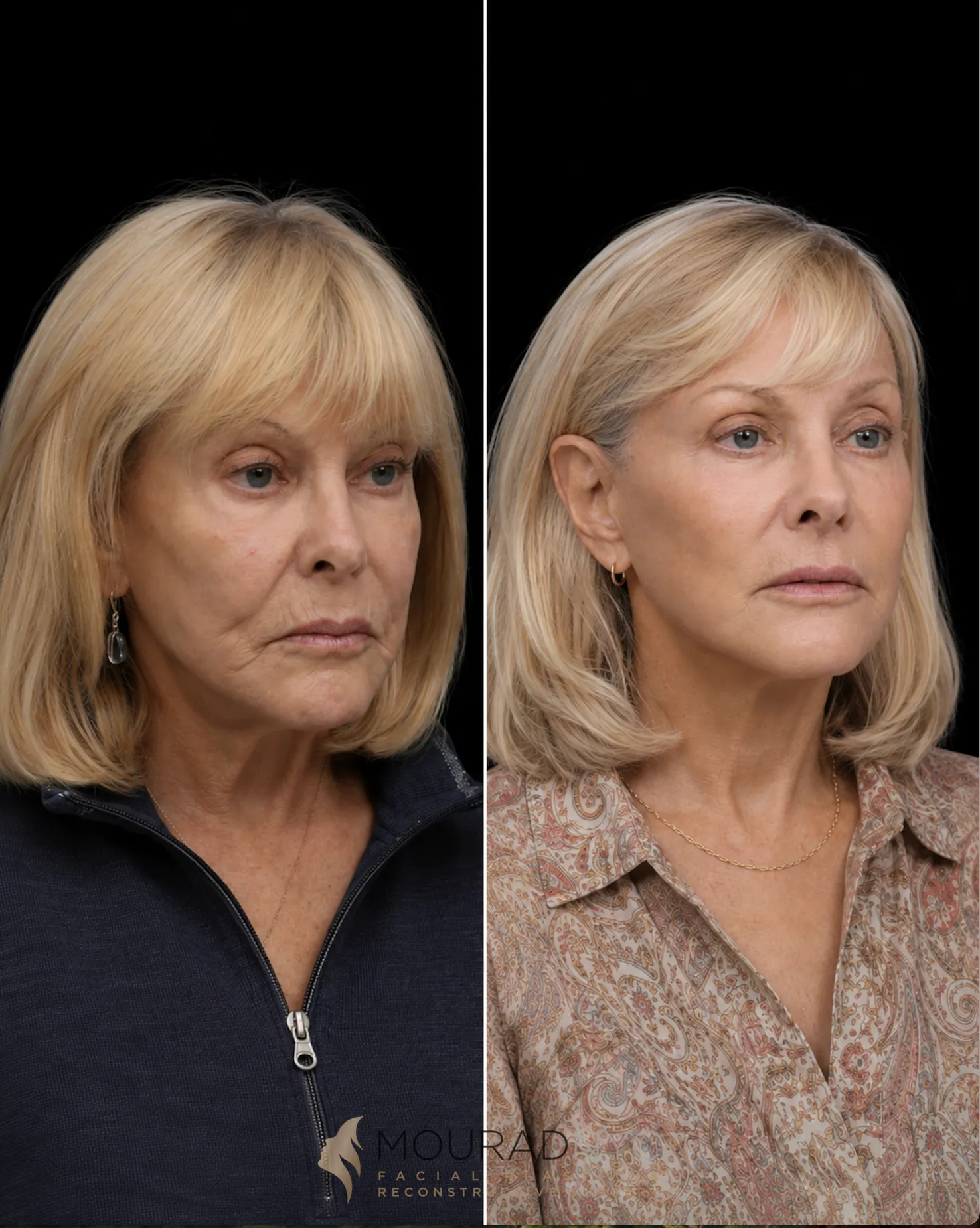
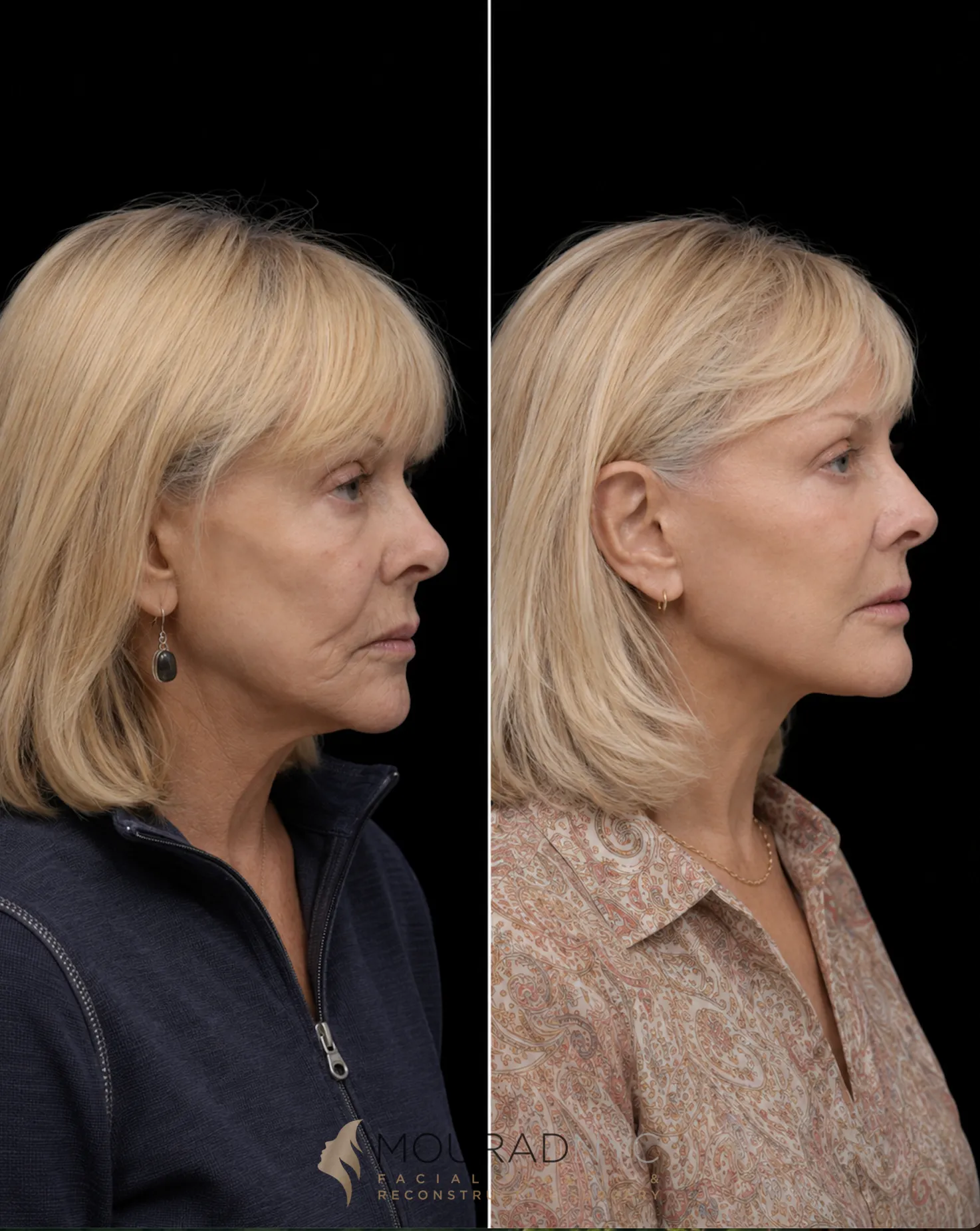
Pre and post-operative comparison · Written consent on file
If this describes you, the next step is a quiet, unhurried conversation — not a sales call.
An Honest Note
When revision surgery may not be the right choice.
If the original surgery is recent, the tissues may still be settling. Operating too early can work against a result that would have improved with time.
Some concerns after a facelift — skin texture, fine lines, or pigmentation — are better addressed with resurfacing or other non-surgical treatment than with more surgery.
Active smokers face elevated risk of impaired healing, which is especially relevant in revision surgery where the blood supply is already altered. A nicotine-free window is required.
03 · What It Addresses
The concerns a revision can consider.
Revision plans are individual. The editions below outline the kinds of concerns that bring patients in, and the related procedures that sometimes accompany a revision.
Primary Facelift
Understanding the original operation is the first step. The main facelift page explains the techniques and what each is designed to do.
Learn More
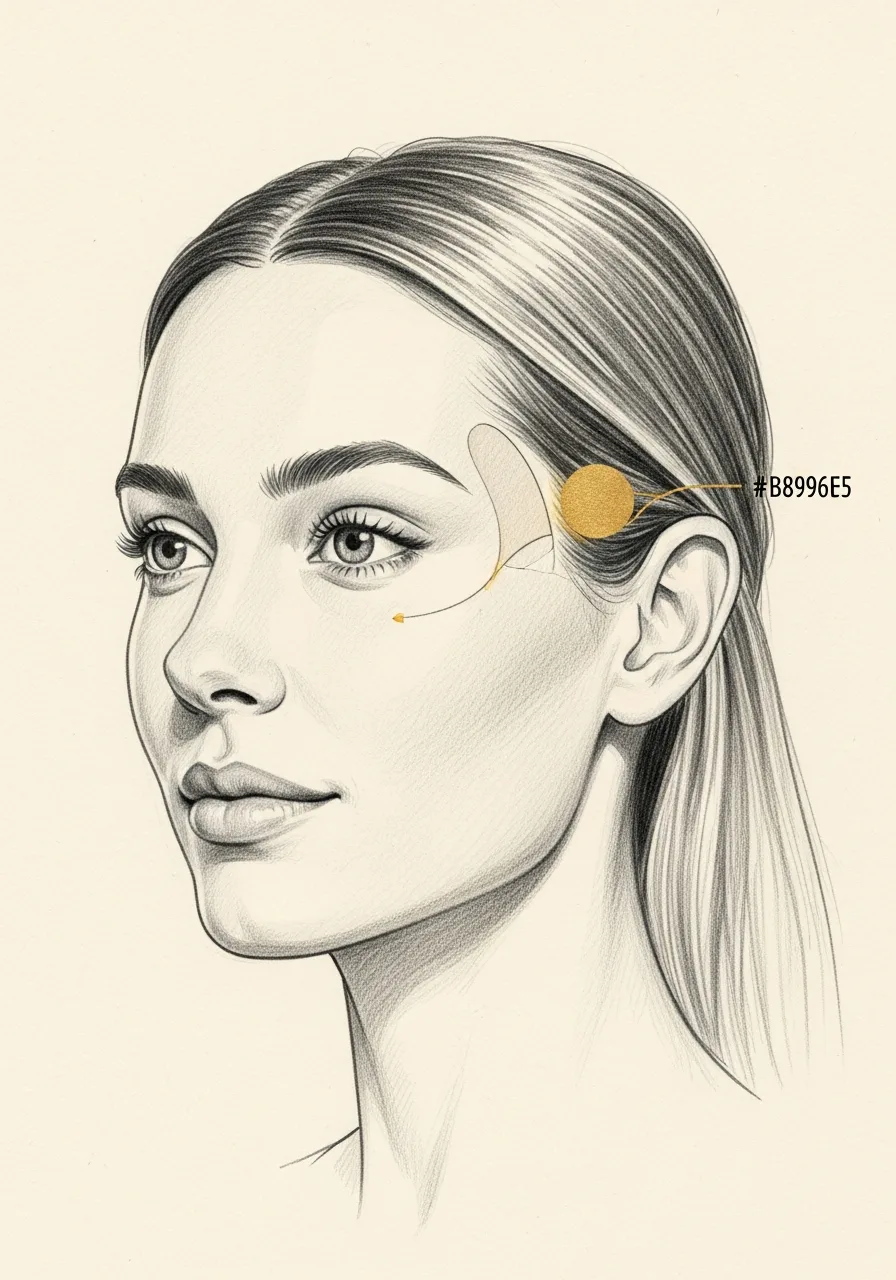
Deep Plane Facelift
When a prior lift relied on skin tension, a deeper structural approach is sometimes considered to restore a more natural relationship.
Learn More
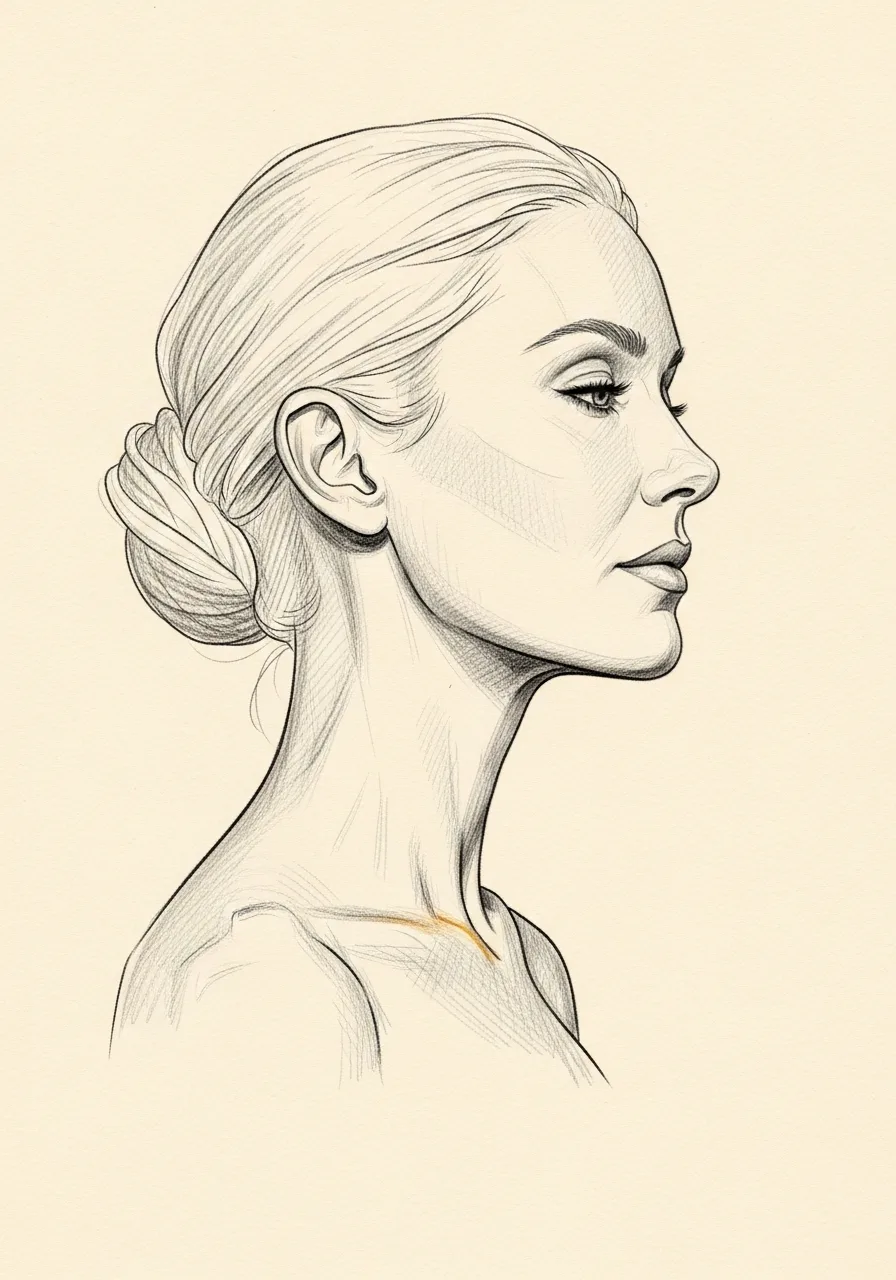
Neck Lift
Residual or recurrent neck laxity is a common reason patients return, and the neck is often addressed as part of a revision.
Learn More
Begin the conversation
A revision consultation is a careful second opinion — not a sales conversation.
Cost & Insurance
How Much Does Revision Facelift Surgery Cost in NYC?
Revision facelift surgery typically ranges from $60,000 to $90,000+. It costs more than a first operation for reasons that are worth understanding rather than simply accepting.
Facelift surgery is generally considered cosmetic and is typically self-pay. During consultation, Dr. Mourad can review your history, evaluate your anatomy, and provide a personalized estimate. Payment is arranged directly with the practice. Payment terms and any required deposit are reviewed when surgery is scheduled.
| Operation | Typical surgical investment |
|---|---|
| Revision facelift | $60,000–$90,000+ |
What May Affect Cost
- Complexity of the revision
- Extent of scar tissue and altered anatomy
- Whether the neck is treated at the same time
- Need for adjunctive procedures
- Anesthesia and facility fees
- Postoperative care
The prices listed are provided as general estimates of typical surgical investment and are not guaranteed quotes. Surgical fees vary based on the patient's anatomy, the complexity of the procedure, previous surgery, operative time, anesthesia and facility requirements, implants or hardware, virtual surgical planning when applicable, and whether multiple procedures are performed together. An exact surgical fee is provided following consultation and development of an individualized treatment plan.
04 · Recovery
What healing actually looks like.
Stage 01
First 24 Hours
The first 24 hours involve a soft compressive dressing, head elevation, and rest. Discomfort is generally moderate and well controlled with non-narcotic medications.
Stage 02
Week 1
Through the first week, bruising and swelling peak and begin to subside. Sutures in front of the ear are typically removed around day seven. Healing in revision surgery can be a little less predictable because the tissues have been operated on before.
Stage 03
Weeks 2 – 4
Between weeks two and four, residual swelling steadily declines. Return to quiet activity is individualized, and patience is especially important in revision recovery.
Stage 04
Months 1 – 12
From one to twelve months, the tissues continue to settle and scars mature. Final contour is generally appreciated by six to twelve months.
Have a specific question?
Send a brief note describing your anatomy or concerns — the office will route it directly to Dr. Mourad for review.

Investment
Understanding the value.
A revision facelift is a meaningful investment, and is often more complex than a first-time lift. The fee reflects the surgeon's experience, an accredited operating facility, board-certified anesthesia, and a structured year of follow-up care.
Because revision surgery is highly individual, fees vary widely with the complexity of the plan. A personalized quote is provided at consultation after the surgical history has been reviewed.

Before You Arrive
Your consultation, prepared.
Bring operative reports or details of your previous facelift if you have them.
Bring photographs from before your original surgery if available.
List current medications, supplements, and any blood-thinning agents.
Note the specific concerns you hope a revision could address.
Allow 60 minutes; expect a thorough examination of the face and neck.
No decisions are made at the first visit — that is by design.
Patient Reviews
Facelift Patient Experiences
Selected public patient reviews. Individual experiences vary.
“My results are natural and stunning.”
Real patient experiences
Selected public reviews from patients of the practice.
Your privacy matters
We never share personal health information.
Board-certified expertise
Dual board-certified facial plastic and reconstructive surgeon.
Individual results vary. Reviews reflect individual experiences and are not a guarantee of outcome.
Frequently Asked
Patient questions, honestly answered.
The timeline and examination matter. Gradual recurrent laxity years after a satisfactory result may represent normal aging. Early distortion, obvious scar displacement, earlobe change, asymmetry, contour irregularity, or persistent functional symptoms may reflect a more specific surgical issue.
It is helpful but not always available. The report can clarify dissection planes, implants, sutures, neck work, and complications. When it cannot be obtained, examination, photographs, imaging in selected cases, and conservative planning become even more important.
Clinical references
This page draws on published clinical practice guidelines and public-health references. These sources inform general patient education and do not replace an individual evaluation with Dr. Mourad.
- 01Secondary/revision rhytidectomy systematic review PubMed PMID: 42382704
- 02Hematoma prevention systematic review PubMed PMID: 41203255
- 03Blood-pressure control and facelift hematoma PubMed PMID: 37439229
- 04American Society of Plastic Surgeons. Facelift (Rhytidectomy): procedure, candidacy, and recovery overview. ASPS
- 05American Academy of Facial Plastic and Reconstructive Surgery. Patient resources on facial plastic surgery procedures. AAFPRS
- 06U.S. National Library of Medicine (MedlinePlus). Plastic and Cosmetic Surgery. MedlinePlus
Explore Further
Related procedures & resources
Revision facial surgery draws on the full range of techniques. These pages explain how the work relates.
Facelift NYC overview
Learn how Facelift NYC overview may relate to your goals and treatment plan.
Read morefacelift scars and incisions
scar education
Read moreDeep Plane Facelift
A sub-SMAS release for midface descent and deeper folds.
Read moreNeck Lift
Restores the jawline and cervicomental angle, often part of a revision.
Read moreFacelift Recovery Timeline
What healing looks like week by week — useful when judging an earlier result.
Read moreBefore & After Gallery
Representative facelift and neck lift cases, photographed with written consent on file.
Read morePatient Reviews
Read experiences from patients of the practice.
Read moreRequest a Consultation
Begin with an unhurried clinical evaluation.
Read moreThe Most Important Step
Your revision consultation.
A revision consultation is a careful clinical evaluation of altered anatomy, the surgical history, and your specific concerns. The conversation is honest about what revision surgery can and cannot improve, and any plan is built around the patient.